A first look at Geneva

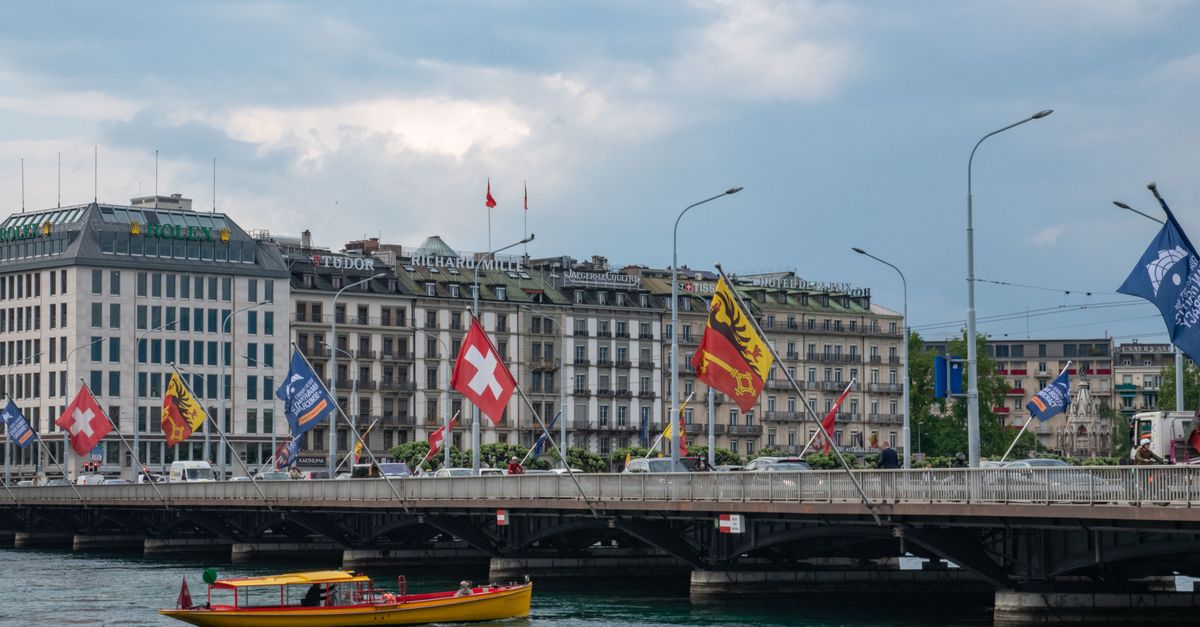
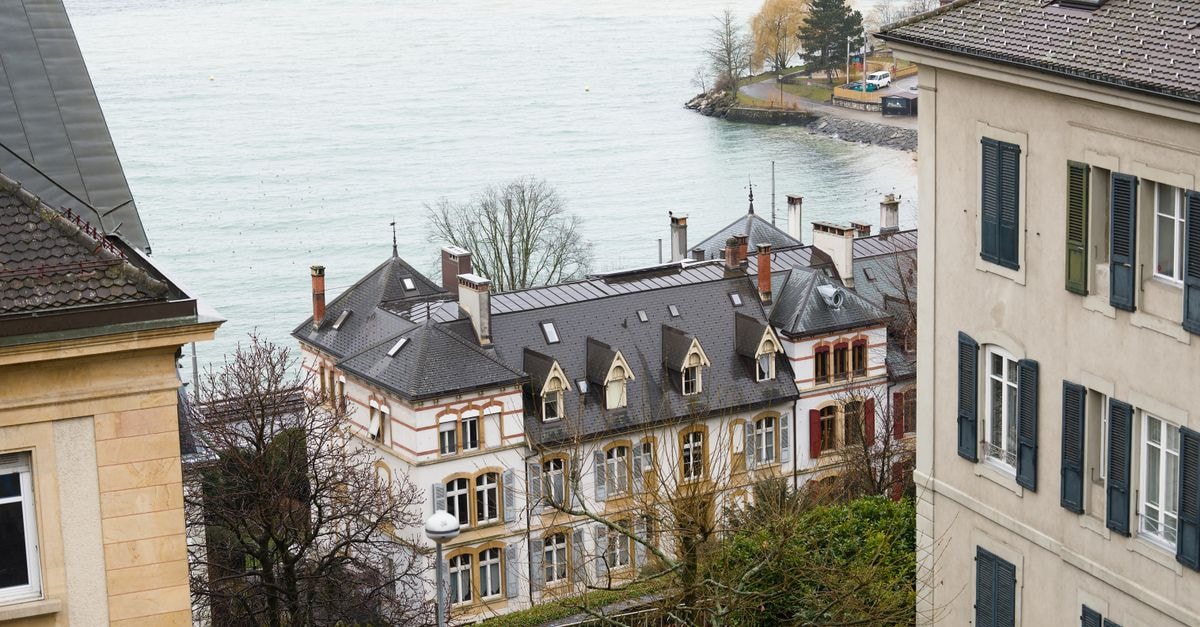
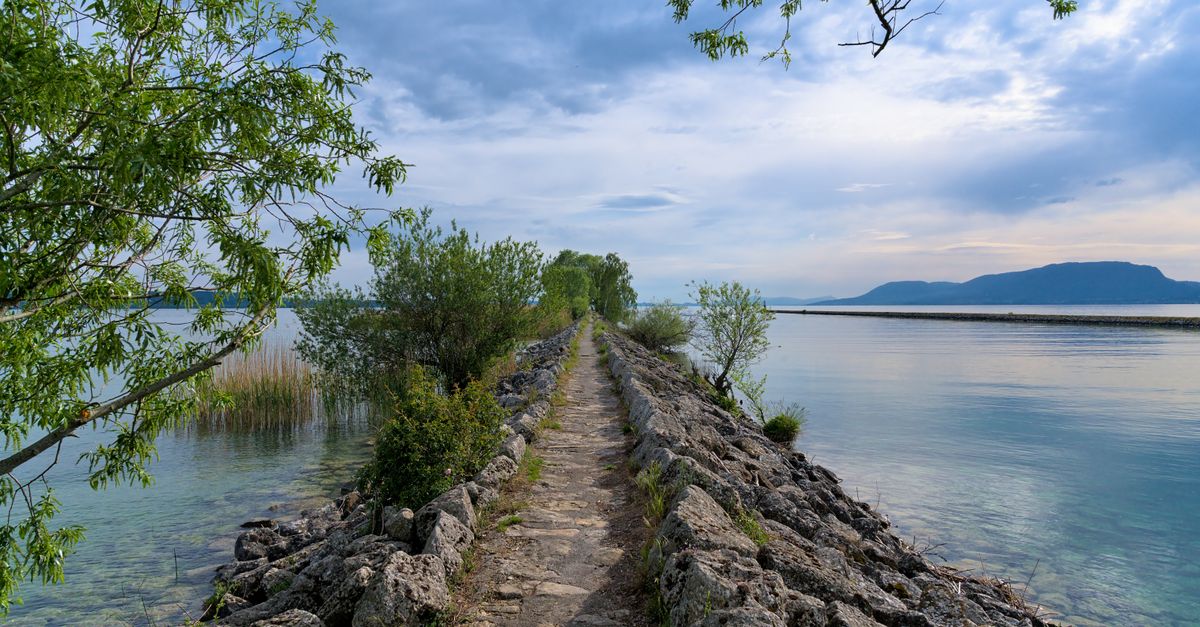
Geneva has a personality that is easy to underestimate before arrival and hard to forget once you are standing on its quays. The city sits on the western tip of Lake Geneva, known locally as Lac Léman, and the water shapes almost everything about the way it feels to walk through it. Mornings tend to begin with light moving across the lake, afternoons spill into long lunches by the shore, and evenings often end with a slow stroll along the promenades where the Alps can seem, on a clear day, close enough to touch. It is a compact place with a generous skyline of parks, old stone and low-rise civic buildings rather than towers, which means you can move through it on foot and still feel oriented.
What makes Geneva distinctive is the contrast between its lakeside calm and the weight of what happens inside it. This is a city where international decisions are made, where humanitarians meet diplomats, and where science and watchmaking quietly intersect. You do not need to care about any of that to enjoy the place, but knowing it is there adds a layer to even an ordinary afternoon by the water.
Finding your way around the city
Geneva is one of those cities where the public transport conversation is less about a particular ticket or timetable and more about how the whole experience is designed. Getting around is part of the city's wider promise that a visit can feel effortless: from choosing where to base yourself to uncovering the experiences closest to the lake, the rhythm is meant to be smooth and unhurried. In practical terms, that means you can plan your day around walking the short distances between the lake, the Old Town and the international district, and use local transport to bridge the rest.
Because the centre is compact, it is worth resisting the urge to plan too tightly. Pick a base near the lake or the Old Town, let yourself drift along the quays in the morning, and save your energy for the climbs into the older streets above. The city is small enough that you will rarely feel stranded, and the transport network fills the gaps when your feet have had enough.
Attractions and a gentle plan
The Jet d'Eau is the visual shorthand for Geneva, and for good reason. The fountain sends a column of water roughly 140 metres into the sky from the lake, and it is visible from many parts of the waterfront. You can see it from a distance as a white plume, or you can walk right up to its base on the jetty to feel the spray. Either approach works; the close-up view is louder and more dramatic, while the distant view is better for photographs and for understanding how the fountain sits within the wider skyline.
From the Jet d'Eau, the natural thread is the lake itself. The promenade stretches in both directions, dotted with parks, benches and swimming areas where locals treat the lake as part of daily life rather than a sight to tick off. Walking east along the shore is one of the most pleasant things to do in Geneva, especially if you let yourself pause for a coffee or a swim depending on the season and the weather on the day.
Above the lake sits the Old Town, which is where the city's older character is most concentrated. Narrow lanes, stone staircases and quiet squares give it a feel that is distinct from the waterfront, and the higher ground rewards you with views back over the lake and the rooftops. Allow more time than you think you need here; the Old Town rewards slow wandering far more than a checklist approach, and it pairs naturally with a late lunch or an early evening drink.
A few practical notes for shaping a calm visit:
- Build the Jet d'Eau and the lake promenade into your first half-day so that the city opens up gradually rather than hitting you with a list. - Save the Old Town for a time of day when you are happy to linger; it is the part of the city that benefits most from unhurried exploration. - Treat the international institutions as context rather than a must-see checklist; knowing they are there enriches the rest of the visit.
Pacing and the feel of the place
One of the underappreciated pleasures of Geneva is how well it suits a slow rhythm. The distances are short, the lake is always nearby, and the parks invite you to stop. If you are the kind of traveller who usually rushes, this is a city that gently encourages you to do less and notice more. Conversely, if you arrive with a packed plan, you may find yourself constantly readjusting as you realise how compact the centre really is.
A reasonable approach is to pick two or three anchors per day and leave space between them. The Jet d'Eau, a stretch of the lakeshore and a corner of the Old Town make a comfortable first day. From there, you can deepen the visit with quieter neighbourhoods, a longer walk along the lake, or time spent in the parks that sit between the waterfront and the higher streets. The city's beauty often shows up in those in-between moments rather than at any single landmark.
What to keep in mind before you go
A few small things are worth keeping in mind so the trip feels smooth from the moment you arrive:
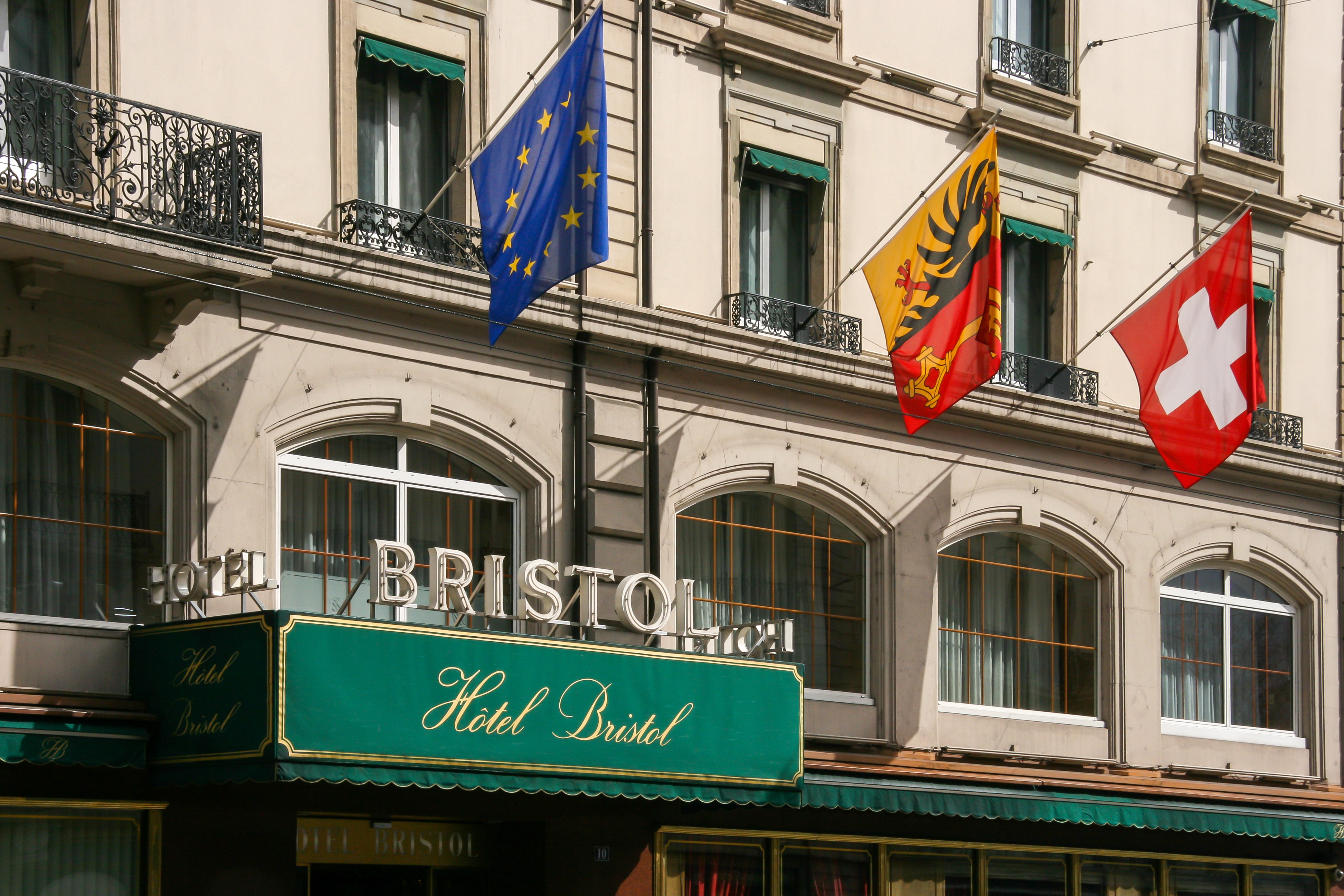
- Switzerland is not part of the European Union, and everyday customs, language use and currency can differ from neighbouring countries even when the borders feel invisible. - Geneva is genuinely multilingual; you will hear French most often, but English is widely understood in hotels, restaurants and transport. - The lake and the Old Town are both walkable, so comfortable shoes will serve you better than any transport pass for much of your stay. - Weather along Lac Léman can change quickly, with mornings and evenings feeling cooler than the middle of the day; layering is a sensible habit.
A final note on the details
Travel conditions change. Opening arrangements, transport details and on-the-ground prices can shift over time, so it is always worth checking official channels for the most current information before you travel and again on arrival. Treat the guidance above as a way to shape your expectations and your route, and use the city's own visitor resources to confirm anything that affects timing, tickets or bookings on the day. Done that way, Geneva tends to reward travellers who arrive curious and unhurried, and who let the lake set the pace.
Share this article
TOOLS FOR THIS PLAN
Make the Geneva plan measurable
Choose a tool only when it answers the next question in your trip. Your values stay in the browser, and each tool offers a route back to this planning context.