Lausanne, the Olympic Capital on the northern shore of Lake Geneva, tilts steeply down from a Gothic cathedral ridge to the harbour district of Ouchy. Between them, the Lavaux vineyard terraces — a UNESCO World Heritage landscape — drop toward the water. In July the city moves outdoors: lake temperatures climb into the low 20s Celsius, free festivals colonise historic courtyards and parks, and terrace dining stretches late into warm evenings. The Alps across the lake and the Lavaux vineyards just uphill are the constant backdrop, and in 2026 there is more free, outdoor programming than any recent summer.

July Weather and What to Expect
July is peak summer in Lausanne and reliably warm. Long-term averages put daytime highs around 24–26 °C and overnight lows near 12–14 °C, with roughly eight hours of sunshine per day. Monthly rainfall sits around 64 mm in one dataset and 77 mm in another, spread across 13–15 wet days, so afternoons can bring brief thunderstorms rather than sustained rain. The UV index reaches 8 (very high), and lake reflection effectively doubles sun exposure along the Ouchy promenade, so cover up before that swim.
Two local quirks worth planning around: morning fog from the lake can linger until around 10 a.m., softening views of the Alps across the water, so wait until the afternoon if you are after crisp mountain photography from the Ouchy jetty. The hills between the lake and the old town feel noticeably steeper in humid conditions, so pace yourself on the climb up to the cathedral.
Getting to Lausanne and Moving Around
Geneva Airport is the closest gateway. Direct trains run frequently to Lausanne and take 45–60 minutes; a one-way ticket cost around 29 CHF as of April 2025. From Zurich Airport, the journey is roughly 2.5 hours (one direct train per hour plus connecting services) and cost about 82 CHF one-way as of April 2025. Tickets can be bought on the SBB app, at station machines, or by texting "GL" to 456. Note that Swiss airport-to-city return tickets are valid for same-day travel only, so buy two one-ways if you are returning another day.
Inside the city, public transport is run by tl (Transports publics de la région lausannoise). A 2-zone single ticket costs CHF 3.90 (reduced CHF 2.40), a 2-zone day pass is CHF 9.80 (reduced CHF 6.90), and a short 3-stop ticket is CHF 2.30. If you stay in a hotel and pay the city tax, you receive a Lausanne Transport Card covering buses and metro for your entire stay, including the day you check out, which effectively removes any need to buy city tickets. Tickets can otherwise be bought through the tl app, at t-l machines or by SMS.
Festivals, Parks and Lake Activities
July 2026 is unusually rich with free cultural programming.
Festival de la Cité (30 June – 5 July 2026) turns the historic heart of Lausanne into a stage for theatre, music, dance, performance and circus. All performances are free and the festival spreads across indoor venues and the old town's cobbled courtyards. It is the city's biggest summer cultural moment.
Lausanne Garden Parties (10 July – 8 August 2026) is a five-weekend travelling festival held in a different city park each week, with music, dance, theatre, street arts, open-air cinema and children's activities, plus bars and food stalls. Fridays run 5 p.m. to midnight and Saturdays 3 p.m. to midnight. The 2026 schedule is Parc de Mon-Repos (10–11 July), Parc de l'Elysée (17–18 July), Parc de Montbenon (24–25 July), Parc de Valency (31 July – 1 August) and Parc du Loup (7–8 August). All events are free.
Locarno Open Air at Plateforme 10 (12–18 July 2026) screens Locarno Film Festival highlights on the giant outdoor screen on the Esplanade de Plateforme 10, in front of the Photo Elysée – mudac building. Admission is free.
Photo Elysée is hosting a major retrospective on the Swiss traveller and photographer Ella Maillart, whose archives were added to UNESCO's Memory of the World register in 2025. Concurrent exhibitions at Plateforme 10 include Isao Takahata at mudac and Alfredo Jaar at Photo Elysée, both running through the summer.
UCI Trials World Youth Games 2026 (24–26 July) takes over the Bellerive site on the lakeshore.
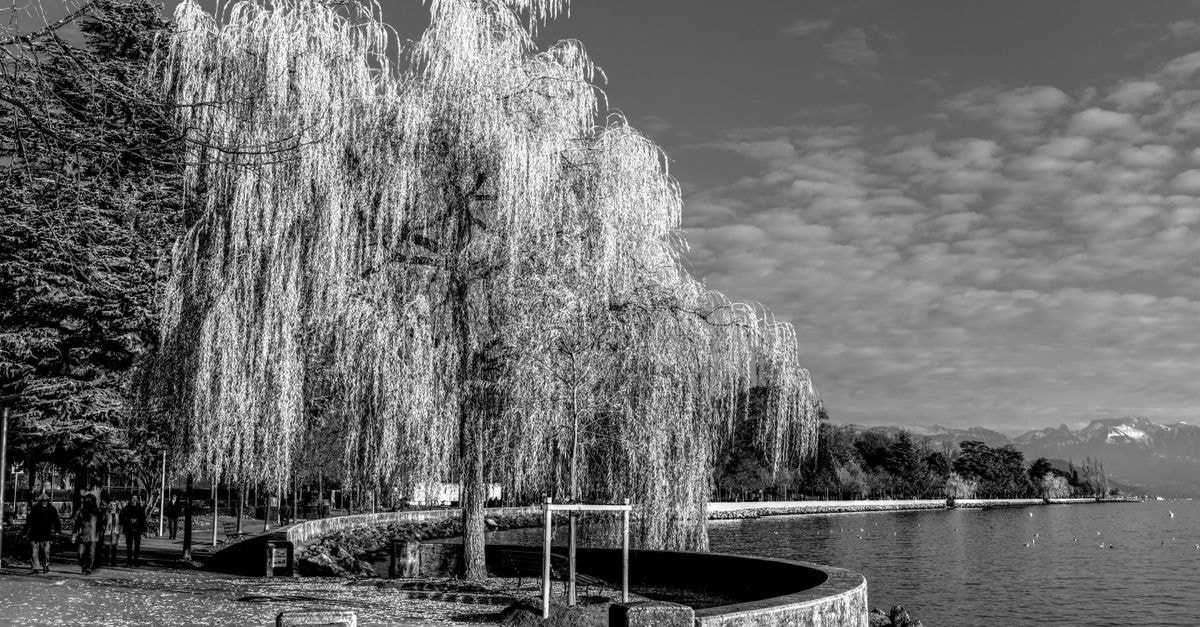
Away from programmed events, Lake Geneva becomes the city's playground once the water climbs above 22 °C, usually by mid-July, when locals start jumping off the Ouchy jetty. Sunbathing and paddle boarding are easy to arrange at the lakeside beaches. The Olympic Museum sits on the western edge of the Ouchy promenade and can be booked online from around USD 26. For a longer half-day, the Vine Stories Lavaux & Lutry wine walk through the UNESCO terraces costs from around USD 304 per person.
Two weekly rituals are worth building a day around. The Wednesday Night Market at Place de la Palud offers free open-air concerts and food stalls from evening, with wine by the glass from mobile bars. The Friday morning market at Place de la Riponne expands in July through September to include local winemakers offering tastings. And if you are in town from mid-month, the Montreux Jazz Festival is just 30 minutes up the lake by train, with free lakeside concerts alongside its ticketed headline shows — book accommodation in either town months in advance.
Where to Stay by Neighbourhood
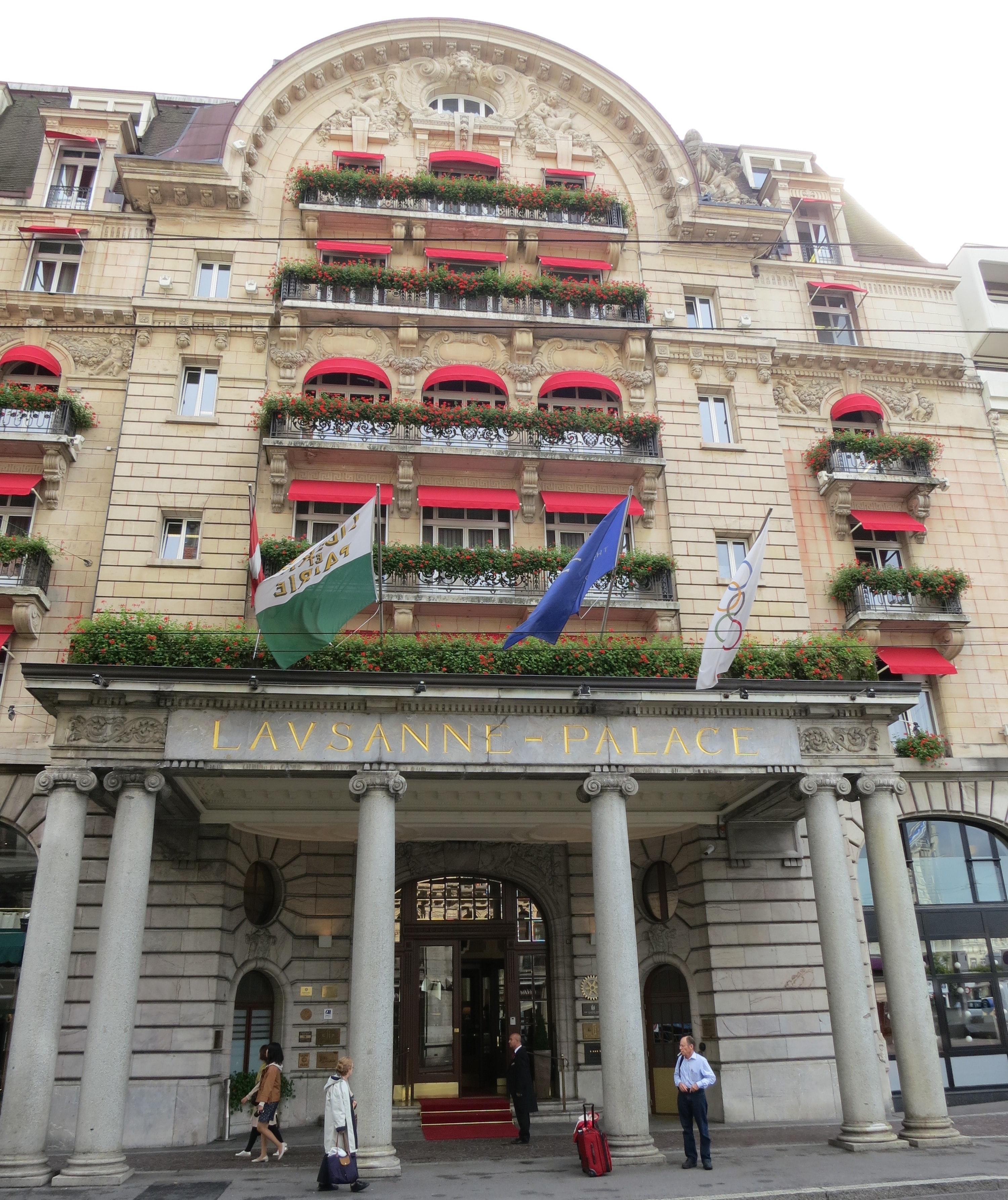
Lausanne's lodging follows its vertical geography. Ouchy, the lakefront district, commands a premium for the views but puts swimming, the Olympic Museum and the CGN steamer pier on your doorstep; mid-range picks such as the Palmiers by Fassbind start from around USD 160 per night, while luxury addresses such as Beau-Rivage Palace or Lausanne Palace run above USD 500. Centre-Ville, on the middle slope, charges for walking-distance access to shops, restaurants and the cathedral; this is where most 3- and 4-star chains cluster. The Gare quarter around the main train station is convenient for arrivals and offers better value than the centre. The EPFL campus district on the western edge is the cheapest pocket inside city limits.
July pricing follows a clear pattern: hotel rates drop 20–30% after 15 July once the Festival de la Cité ends, so shifting a trip by even a few days can noticeably reduce the bill. The same logic applies to the whole of Switzerland in July, so book months ahead for any neighbourhood you prefer.
Costs, Money and Saving Tips
Switzerland uses the Swiss franc (CHF). Cards are widely accepted in Lausanne's hotels, restaurants and larger shops, but small cafés, market stalls and some rural spots still prefer cash, so carry a small reserve. Withdraw from ATMs in modest amounts to limit both the security risk of carrying large sums and the foreign-card surcharges some banks add.
Realistic daily budgets for 2026, drawn from separate cost studies:
- Budget: CHF 100–150/day in one Switzerland-wide guide, or around CHF 105/day in a Lausanne-specific estimate — hostel dorms, supermarket meals at Coop or Migros, free attractions and a transport pass. - Mid-range: CHF 200–350/day, with another Lausanne estimate placing it near CHF 240/day — a 3-star hotel room, one sit-down meal, a transport pass and one or two paid activities. - Luxury: CHF 400+/day, up to CHF 568/day in the higher Lausanne estimate — 4- to 5-star hotels, restaurant meals and first-class travel.
The biggest savings levers are: staying one train stop outside the centre (often 40% cheaper than central hotels), buying a Migros or Coop ready meal rather than a restaurant lunch, using the Lausanne Transport Card included with your hotel stay for all metro and bus rides, and visiting the headline events (Festival de la Cité, Garden Parties, Locarno Open Air) that are free.
Local Dishes and Where to Find Them
Vaudois cuisine runs on a few classic plates. Filets de perche meunière — lake perch rolled in flour and pan-fried in butter — were popularised in Lausanne by Louis Rappaz at his Ouchy café in 1933 and remain the signature local dish; try them at Le Vieil Ouchy on Place du Port. Watch the price: authentic Lake Geneva (Lac Léman) perch is scarce and seasonal, and a plate costing under about 35 CHF is usually imported frozen rather than local — ask the waiter directly whether the perch is from the lake that day.
Papet vaudois is a slow-cooked stew of leeks, potatoes, white wine and cream, served with a fat smoked pork-and-cabbage sausage (saucisse aux choux). It is traditionally a cold-weather dish, generally served from September through April, so it will be off most July menus; if you do find it, Café du Grütli near La Mercerie is the local reference, and Pinte Besson — Lausanne's oldest continuously operating restaurant, open since 1780 — also serves it in season. Malakoffs, golf-ball-sized deep-fried cheese spheres bound with kirsch- or vodka-dipped bread, appear at fêtes and at the van outside the Place de la Riponne market. Fondue moitié-moitié (half Gruyère, half Vacherin Fribourgeois) is the Vaud style of fondue; Pinte Besson serves a strong version in its wood-panelled cellar.
For sweets, look for the carac — a green-iced chocolate pastry found almost exclusively in French-speaking Switzerland — at Maison Buet on Rue Grand-Saint-Jean, or the pavé, a square hazelnut-and-kirsch chocolate shaped like a Lausanne cobblestone. For self-catering and snacking, the Place de la Riponne market runs Wednesday and Saturday mornings, the Ferme Vaudoise stall sits at Place de la Palud, and the Paradis du Fromage on Rue du Simplon stocks regional cheeses.
Tickets, Reservations and Peak-Season Pressure
July is Switzerland's busiest month and Lausanne's lodgings fill early, especially during the Montreux Jazz Festival window when Montreux, Vevey and Lausanne compete for the same visitors. For the headline events, planning notes:
- Festival de la Cité and the Garden Parties: free, no booking required, but arrive early for the popular indoor venues at Festival de la Cité. - Locarno Open Air screenings: free, but popular evenings fill up quickly. - Olympic Museum: timed-entry tickets bookable online from around USD 26; book ahead in July. - Vine Stories Lavaux walk: from around USD 304 per person via online tour operators. - Trains: book airport-to-city tickets in advance via SBB, especially for Friday and Sunday arrivals.
A final note on conditions: Lausanne's July calendar is published well in advance, but specific event schedules, ticket prices and train timetables can change at short notice. Confirm dates, opening hours and booking requirements on the official Lausanne Tourisme, SBB and tl websites before you travel.
Prices, opening hours, schedules, reservation rules, and local conditions can change; verify them through official channels before departure.
Share this article
TOOLS FOR THIS PLAN
Make the Lausanne plan measurable
Choose a tool only when it answers the next question in your trip. Your values stay in the browser, and each tool offers a route back to this planning context.