Welcome to Genoa

Tucked along the Ligurian coast where the mountains tumble toward the sea, Genoa has the layered look of a port city that has been busy for centuries. Narrow lanes, weathered palazzi, and sudden harbor views reward travelers who like to wander on foot, while the everyday rhythm of buses, metro lines, and funiculars keeps longer journeys feeling easy. For visitors planning a Genoa travel guide that balances atmosphere with practicality, the two pillars are getting around and eating well — and that is exactly where this guide focuses.
The city rewards curiosity. You will find yourself ducking under awnings, climbing stairways, and emerging into piazzas where the light feels different every hour. The compact historic core makes it simple to explore at a slow pace, and the wider public transport network opens up neighborhoods that sit a little farther along the coast or up into the hills. Pair that ease of movement with a Ligurian food tradition that is among Italy's most distinctive, and you have a city that feels generous from the first morning espresso onward.
Getting Around Genoa's Public Transport
For a first-time visitor, the Genoa public transport guide is simpler than it first appears. The network is run by AMT and covers buses, the metro, and the city's beloved funiculars, which climb the steep hillside neighborhoods in a matter of minutes. Mastering how the network is structured is genuinely the key to an enjoyable and efficient visit, because the geography of the city means that some of the most rewarding viewpoints and quieter lanes sit high above the harbor.
When it comes to paying your way, the smart move depends on how much you plan to move around. If your itinerary includes several rides in a single day — say a morning in the historic center, an afternoon further along the coast, and an evening ride up a funicular — a multi-day pass usually pays for itself quickly. It removes the small friction of buying a ticket for every leg and lets you hop on and off as the mood takes you. For travelers who prefer to walk most of the day and only occasionally need a bus or metro ride, single 100-minute tickets are a flexible alternative, giving you a window of validity rather than a one-trip ticket.
A practical habit that experienced Genoa visitors swear by is to check official sources before relying on any remembered fare or route. Public transport pricing and ticketing structures evolve over time, and the most current pricing for tickets, passes, and travel cards is always best confirmed on the official AMT Genoa website or an updated Genoa public transport guide. The same applies to whether a single travel card can be used across all modes of public transport — it is worth verifying directly so you can plan your day around whichever payment option suits you best. Treat that quick check as part of your pre-walk routine, the way you would check the weather or charge your phone.
Because the metro is fast and the funiculars are part of the experience, combining modes tends to feel natural rather than complicated. A loose rhythm might look like walking the lower town, catching the metro or a bus toward a district higher up the hill, then riding a funicular home in the soft evening light. The system is built for exactly this kind of layering, and it lets you cover far more of Genoa than you could on foot alone.
Food and Local Context in Genoa
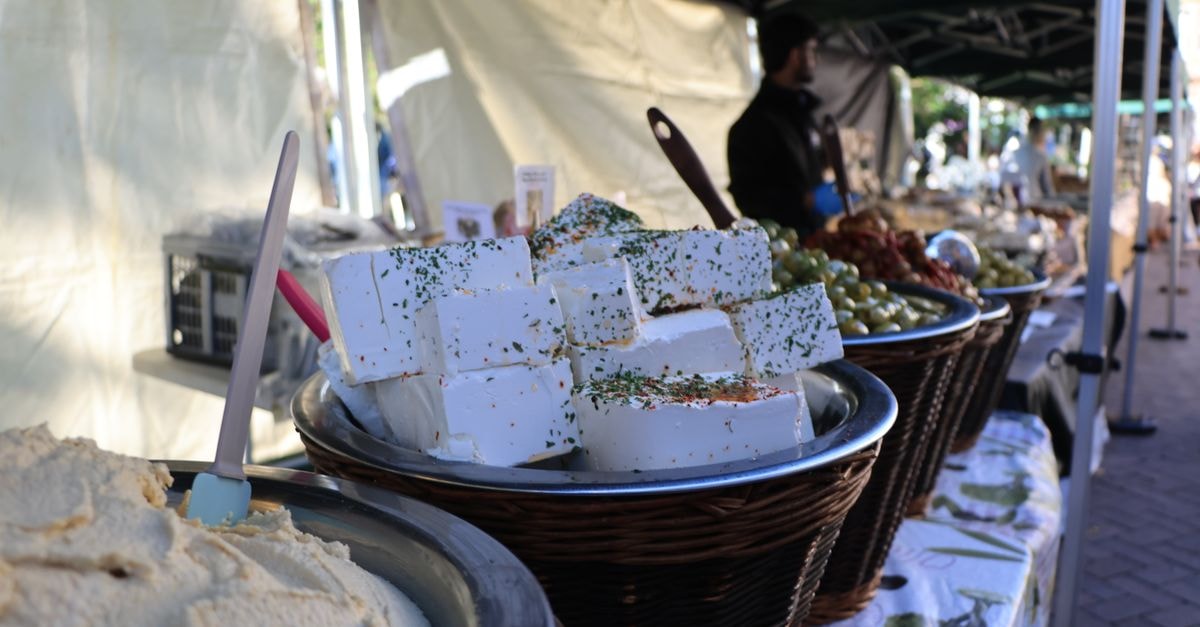
Food in Genoa is not an afterthought — it is a way of reading the city. The Ligurian kitchen is one of Italy's most recognizable, and the two specialties visitors will encounter again and again are pesto Genovese and focaccia. Together they tell you a lot about the place, and both are so closely tied to local identity that anyone spending time in the city is strongly encouraged to try the famous pesto sauce or focaccia bread during their visit.
Planning Your Days Around Transport and Food
The two themes above actually work well together. Mornings in Genoa are easiest on foot, when the lanes are quieter and the light is soft, so a slow breakfast of focaccia and a coffee can carry you into midday. As the day warms, the public transport network becomes more useful: a metro or bus ride can take you toward a higher neighborhood, a coastal stretch, or a funicular climb that opens up a different angle on the city. Late afternoon is a natural moment for a longer ride up the hill, with the payoff of a quieter dinner in a residential piazza before descending again.
Because transport and food shape the rhythm of any Genoa visit more than any checklist of sights, it helps to build your day around them rather than the other way around. A multi-day pass covers the moving parts, and a couple of well-chosen meals anchor the rest.
A Note on Verification
Transport pricing, ticketing rules, and travel card coverage in Genoa can change over time, so it is always wise to double-check the official AMT Genoa website before relying on any fare or route detail. Factual travel conditions can shift, and official channels should be checked before departure to make sure the information in this guide still matches what you will find on the ground.
Share this article
TOOLS FOR THIS PLAN
Make the Genoa plan measurable
Choose a tool only when it answers the next question in your trip. Your values stay in the browser, and each tool offers a route back to this planning context.