A first look at Koper

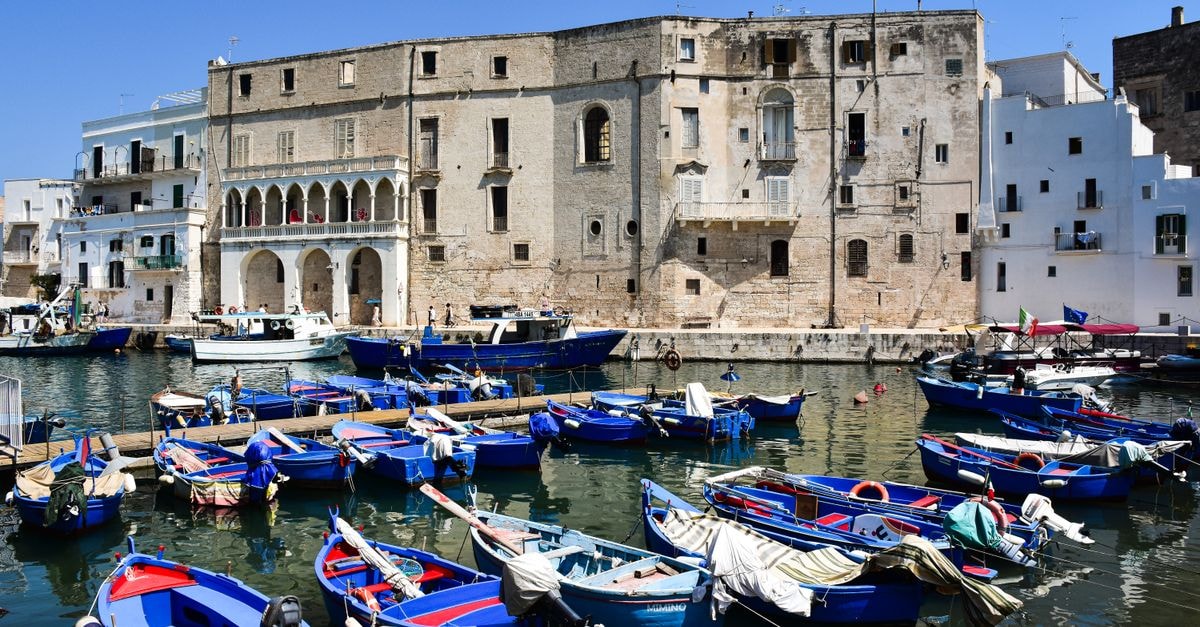
Koper has the feel of a place where the Mediterranean sneaks quietly into Slovenia's Adriatic edge. Even a short walk along the water carries the kind of layered history you find in older port towns — a working harbor sitting just steps from a historic centre that rewards unhurried wandering. For travellers who like a destination that stays manageable on foot, with public transport as a quiet backbone rather than the main event, Koper reads as approachable rather than overwhelming.
This guide keeps things simple. The focus is on the two pieces that tend to shape a visit most: how to move through the city using local transport, and how to give Koper's attractions the time they deserve without overplanning.
Getting around
Public transport is positioned as the thread that ties a Koper visit together. A useful starting point is the Koper public transport guide, which frames local transit as the foundation for a seamless experience rather than a complicated logistical layer to decode on arrival.
In practice, that mindset matters most for two kinds of visitors. Travellers who arrive without a car and want to keep things easy may find that leaning into the public transport system removes the usual friction of navigating a new coastal city. Visitors who plan to stay within the urban core may only need transport for an arrival or departure leg, and that is exactly the kind of situation where a clear overview pays off: it helps you understand whether you need a day ticket, a single ride, or simply a short walk to your accommodation.
A few things are worth keeping in mind when thinking about the system. Because the focus of the approved guidance is on understanding how the network works as a whole, the practical details — exact schedules, route numbers, ticket types and live service updates — are the kind of information you will want to confirm directly before relying on them. Operators and timetables can shift, and the guide itself is framed as preparation rather than a live reference.
Equipped with that foundation, getting around Koper becomes one less thing to think about. The city is compact enough that transport choices tend to feel intuitive once you know the basics of how the network is set up.
Attractions and planning
Koper's attractions sit naturally inside the city rather than scattered across a wide radius, which makes planning less about logistics and more about pacing. The relevant guidance on Koper tourist attractions frames them as a focused set of landmarks worth prioritising, while the overview of must-visit Koper landmarks and historical sites treats thoughtful planning as the main ingredient for a satisfying visit.
The practical advice from these sources is consistent. Both suggest that giving yourself a little breathing room — enough time to actually pause at the places that catch your attention rather than rushing through a checklist — is what separates a smooth experience from a stressful one. That kind of framing tends to suit travellers who like slow mornings, long lunches in the old town, and the freedom to wander without a strict clock.
It also helps to think of the visit in layers. The waterfront and harbour give you the immediate Mediterranean sense of place. From there, the historical core — where many of the must-visit landmarks are concentrated — invites a slower pace, with shaded corners and small squares that reward sitting for a while. Treat the sequence as a gentle drift rather than a route to optimise.
One honest note. Because the approved guidance speaks in terms of general planning tips rather than specific venue details, anything more granular — opening hours, ticket prices, reservation requirements, accessibility information, or whether a particular site is open on a given day — is not covered here. These are exactly the details worth verifying directly with official sources or on the ground once you arrive. The same applies to guided tours, special exhibitions or seasonal openings, which can change without notice.
Choosing what fits your trip
For travellers who want a calm, walkable base with public transport quietly handling the edges, Koper is a natural fit. The combination of a compact centre and a transport network designed to be understood in advance means you can spend less energy on logistics and more on the texture of the place.
If you prefer a destination where attractions can be discovered at your own pace rather than packed into a tight schedule, the way the city's landmarks are framed — as a set of places that benefit from planning and breathing room — aligns well with that style of travel. Travellers who dislike complicated transit systems may also appreciate that the guidance treats understanding the network as preparation, so there are few surprises once you arrive.
On the other hand, visitors who rely on detailed, real-time information about specific venues — exact opening hours, ticket booking, accessibility features or current exhibitions — should plan to verify those details themselves, since the approved guidance offers planning principles rather than operational specifics.
A short verification note
Travel conditions shift, and Koper is no exception. Before your visit, it is worth checking current transport schedules, ticket options and the opening status of any specific landmark you plan to visit through official channels. Treat this guide as a starting framework for understanding the city, and let up-to-date local information shape the final details of your trip.
The information in this article reflects an evergreen view of Koper based on approved guidance about the city's public transport network and its attractions. Local details — schedules, prices, opening hours and service availability — can change, and official sources should be the final word before you travel.
Share this article
TOOLS FOR THIS PLAN
Make the Koper plan measurable
Choose a tool only when it answers the next question in your trip. Your values stay in the browser, and each tool offers a route back to this planning context.