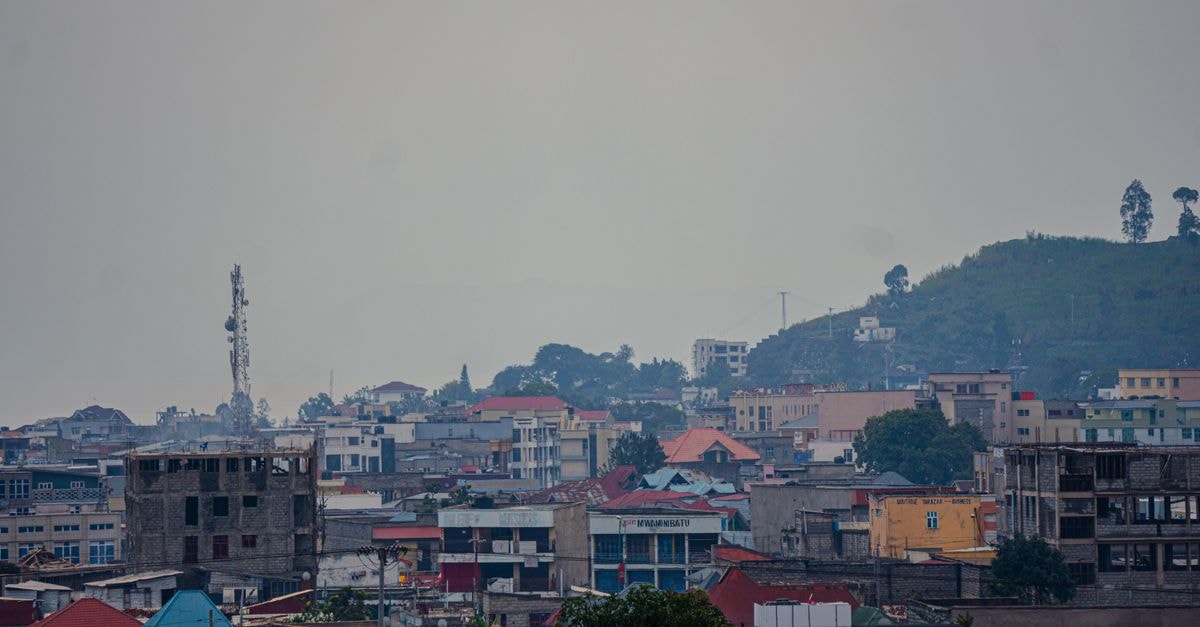
A capital that breathes with the Atlantic

The city is also Guyana's main population center and the seat of government, which means it carries the country's political and commercial weight without ever feeling hurried. Wooden buildings rise on stilts, tree-lined avenues stretch between blocks of nineteenth- and early-twentieth-century architecture, and the whole effect is unlike anywhere else in the Americas. Locals call it the Garden City for its shade trees and green pockets, and that nickname earns its keep the moment you start walking.
If you are visiting Georgetown, the experience is less about rushing between landmarks and more about noticing the textures: the contrast between canal water and pale wooden facades, the way breezes move through the streets, and the steady rhythm of a working capital that doubles as a port community. A slow-paced approach tends to suit the city best, and most of what makes Georgetown memorable reveals itself between the obvious stops.
Weather and seasonal context
Georgetown's climate is shaped directly by its coastal location. Because the city stretches along the Atlantic shoreline where a major river meets the sea, weather patterns tend to feel maritime rather than continental — humid air, regular showers, and the kind of warmth you expect from a coastal capital. Long-term visitors and residents often describe a tropical rhythm of wetter and drier periods rather than the four-season structure familiar from further north.
That coastal position also explains something visible in the architecture. Many of Georgetown's most recognizable buildings sit raised above the ground on stilts, a practical response to a city that sits close to sea level and to a climate where water — from rain, river, or tide — is always nearby. Combined with Victorian-era design and the canopy of trees that earns the Garden City nickname, this gives Georgetown a look that is unusually cohesive for a modern capital.
For a first-time visitor, the practical takeaway is simple: expect warmth, expect moisture in the air, and plan for an experience where the coast itself is part of the sightseeing. Lighter clothing, patience with sudden showers, and an awareness that daylight hours can feel heavier than expected will all serve you well. Rather than chasing an ideal weather window, most travelers do best by pacing the day around comfort — indoor breaks in the hottest hours, and longer walks along shaded streets and the seawall when the air moves.
A small but useful piece of context: because Georgetown is both the capital and the largest city in Guyana, its climate sets the tone many visitors carry with them for the rest of a trip. The patterns you adjust to here are the patterns you will likely keep for a while longer.
Getting around and onward
Georgetown does not behave like a city that begs to be crossed at speed. The layout is broadly grid-like in places, with canals running alongside streets in a pattern that echoes the Dutch colonial planning once common across the Guianas. Walking remains one of the most rewarding ways to absorb the wooden architecture, the gardens, and the everyday street life, especially in the older central blocks where most of the city's character is concentrated.
Within the capital, the transport mix reflects the country's broader approach: short-distance urban options handle the city itself, while small aircraft handle the wider country. This split is worth understanding before you arrive, because the kind of vehicle you choose in Georgetown is not the kind of vehicle that will carry you onward to the interior.
For travel beyond the capital — into the hinterland, the rainforest regions, or any of the outlying communities — small 4 to 12-seater Cessnas and 19-seater Beechcraft aircraft connect Georgetown to over 162 active airstrips across the country. That network is a defining feature of moving around Guyana. Distances that look modest on a map can take many hours by road, and the small-aircraft system exists because the country's interior is otherwise slow to reach. If your itinerary extends past Georgetown, planning around these flights is less a logistical detail than a structural part of the trip.
Within the city itself, the practical rhythm is straightforward. Give yourself more time than you think you need between points, especially during working hours when traffic moves at the pace of a coastal capital rather than a high-density metropolis. The canals, the breeze, and the shaded avenues all reward slower movement, and the city tends to reveal itself to people who resist the urge to rush.
What makes Georgetown feel like Georgetown
A few impressions are worth carrying with you, because they help frame nearly every decision once you arrive.
First, the architecture is the attraction. Georgetown is widely described as fascinating for its wooden colonial buildings, and these structures dominate the visual identity of the older parts of the city. They are not background scenery; they are the main event, and they reward the kind of attention usually given to museum collections.
Second, the coast is never far away. The city is positioned where a major river opens onto the Atlantic, and that relationship with water shapes the climate, the architecture, and the daily mood. Even a short walk toward the seawall changes the feel of the day.
Third, Georgetown is the country's governmental and business seat. That status brings a working rhythm — banks, offices, embassies, and a steady flow of regional and international travelers — but it also keeps the city compact and walkable in the ways that matter for visitors.
Taken together, these qualities suggest a capital that rewards visitors who arrive curious and unhurried. The Garden City is not a checklist destination; it is a place that earns its reputation through accumulation, through the way light hits a wooden facade, through the air that moves off the water, and through the small-aircraft departures that hint at the wider country waiting beyond.
Practical notes before you go
A few evergreen details are worth keeping in mind.
Because Georgetown is positioned along the coast and close to sea level, light rain, high humidity, and warm temperatures can shape any day regardless of when you visit. Comfortable, breathable clothing and a willingness to pause during the heaviest showers will serve most travelers well.
Within the city, walking is genuinely useful in the central areas, and the street grid plus canal layout makes orientation easier than in many Caribbean capitals. If you plan to travel onward into Guyana's interior, small aircraft are the standard way to reach the country's many airstrips, and these flights should be researched and confirmed through current channels before you commit to dates.
Finally, remember that any specific schedule, price, route, or opening time should be checked with an official source close to your trip. Factual travel conditions can change, and the most reliable approach is to treat this guide as a way to understand the character of Georgetown rather than as a source of live operational detail.
Verification note
The factual claims in this article are drawn from general destination guides and reference material about Georgetown and Guyana. Travelers should verify current weather conditions, transport schedules, and any local services through official channels before departure, as conditions can change and the information above is intended as durable background rather than real-time confirmation.
Share this article
TOOLS FOR THIS PLAN
Make the Georgetown plan measurable
Choose a tool only when it answers the next question in your trip. Your values stay in the browser, and each tool offers a route back to this planning context.