Overview

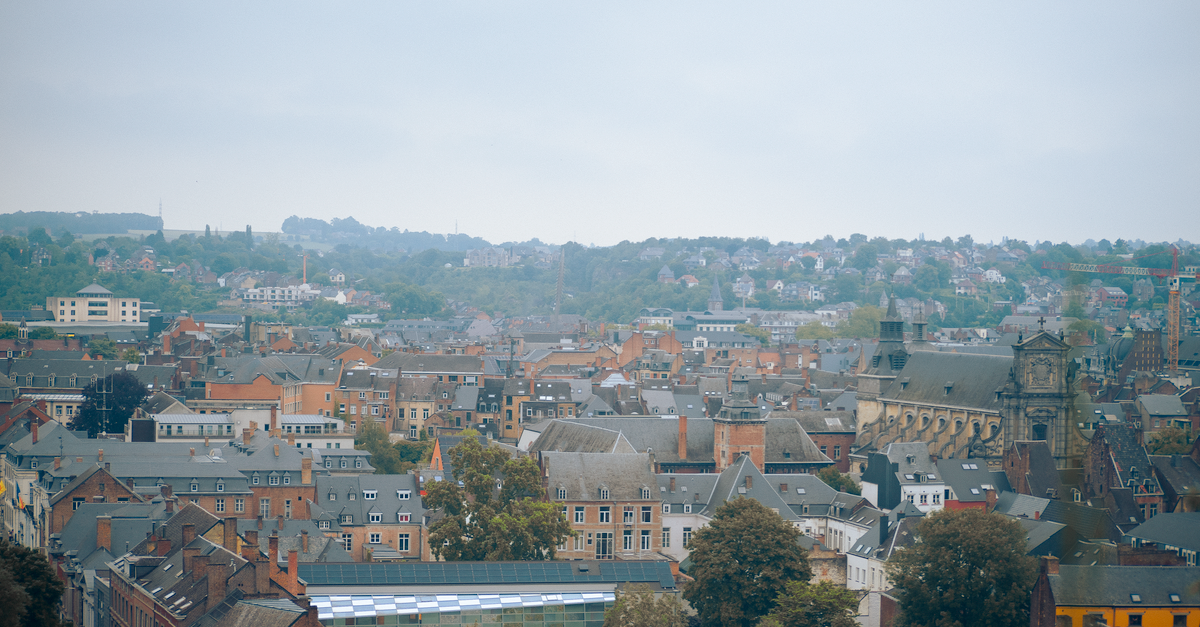
There is something quietly cinematic about a city that builds itself around the meeting of two rivers. Namur, the historic capital of Wallonia in Belgium, sits right where the Sambre flows into the Meuse, and the whole town seems to lean upward from the water toward a citadel that watches over the valley.
This is not the Belgium of canal postcards and tour-bus detours. Namur has the layered, lived-in feel of a working regional capital, where students fill the streets, the riverbank draws cyclists and walkers, and the fortress above the old town carries the kind of presence that rewards a slow afternoon rather than a checklist morning.
If your travel taste runs toward river confluences, fortress silhouettes and the kind of regional cuisine that locals actually order, Namur deserves a deliberate look.
Attractions and planning
The first thing most visitors notice in Namur is the geography. The city is built right around the confluence of the Sambre and the Meuse, and that meeting of two rivers shapes everything from the view from the bridges to the way the old town climbs toward the hilltop. Crowning that hill is the Citadel of Namur, described in guide material as one of the largest fortifications in Europe, which gives the entire city its unmistakable silhouette.
For travelers, this means the day practically plans itself around a vertical axis. The riverbanks and the lower town invite relaxed wandering, with the Sambre-Meuse junction acting as a natural reference point for orientation. From there, the eye is drawn upward, and so are most walking routes. The citadel and its surroundings are a substantial site, so comfortable shoes and a loose schedule tend to matter more than a packed itinerary. Because the citadel is described as one of Europe's largest, pace the visit to allow time for the surrounding terrain rather than treating it as a single quick stop.
If your travel style leans toward slow travel or you prefer to combine scenic river views with a sense of historical weight, the layout of Namur tends to support that mood naturally. Travelers who dislike long climbs may want to factor in the elevation change between the lower town and the citadel grounds when planning their day.
Food and local context
Namur sits inside the wider Belgian food world, but the city and its surrounding Walloon region carry their own flavor identity. Among local dishes, Boulets Liégeois is the one that gets singled out in regional food coverage as a Namur specialty worth seeking out. The dish is often associated with a rich, savory sauce, and it tends to appear on menus that lean into Walloon comfort cooking rather than on generic Belgian tourist lists.
The same coverage points out that while Namur shares classic Walloon dishes with the rest of the region, each city in Wallonia has its own version of these dishes. That nuance matters for visitors who care about eating regionally rather than generically, because it suggests that trying the same dish in different Walloon cities is part of the journey, not repetition.
For travelers with dietary restrictions, broader Belgian dining resources are available beyond any single app or directory. Online forums and travel blogs focused on dietary needs in Belgium can help point toward suitable restaurants, which is useful since menus in Namur are written with regional Walloon dishes in mind and not always translated for every restriction. Travelers who prefer a more research-heavy approach to dining, especially those navigating allergies or specific diets, may want to look into community resources before arrival rather than relying on improvisation alone.
Choosing what fits your trip
Namur's appeal is shaped by two very practical realities: the rivers and the fortress above them. If your travel preference runs toward scenic viewpoints, riverside walks and the kind of layered old-town geography where streets climb toward something monumental, the city tends to deliver naturally. Plan the citadel visit for the part of the day when you have the most energy, since it is described as one of Europe's largest fortifications and its grounds reward unhurried exploration.
If your interest leans culinary, lean into the Walloon framing rather than searching for generic Belgian hits. Seek out Boulets Liégeois specifically, and treat regional dishes as something to compare across Wallonia rather than as a single menu category. Travelers who prefer a more flexible, community-informed approach to finding places to eat may want to consult Belgian dining forums and dietary-focused travel blogs ahead of the trip, since coverage suggests these sources can fill gaps that generic listings miss.
Travelers who dislike elevation or extensive walking on uneven ground may want to pace the citadel portion of the day more gently, as the site is large and sits above the lower town.
A few practical notes
Namur works well as a short, focused stop rather than a rushed pass-through, especially if you want to walk the river junction, look up at the citadel from the bridges, and then climb toward the fortress itself. Because this is an evergreen guide, specific opening hours, ticket prices, transit schedules and current conditions are intentionally left out where the evidence does not state them. Before your visit, it is worth confirming practical details through the citadel and local tourism channels, since hours and access conditions can change over time. Exchange rates, when relevant, should always be checked on the day, as rates move.
Travel conditions and on-the-ground details shift, so official sources remain the best confirmation before departure.
Verification note
Before relying on any practical detail not covered here, such as current citadel access points, recommended walking routes along the rivers, or dietary-friendly restaurant recommendations specific to Namur, consider checking the official citadel information and local tourism channels for the most up-to-date guidance.
Share this article
TOOLS FOR THIS PLAN
Make the Namur plan measurable
Choose a tool only when it answers the next question in your trip. Your values stay in the browser, and each tool offers a route back to this planning context.