A Slow Travel Guide to Brașov, Romania

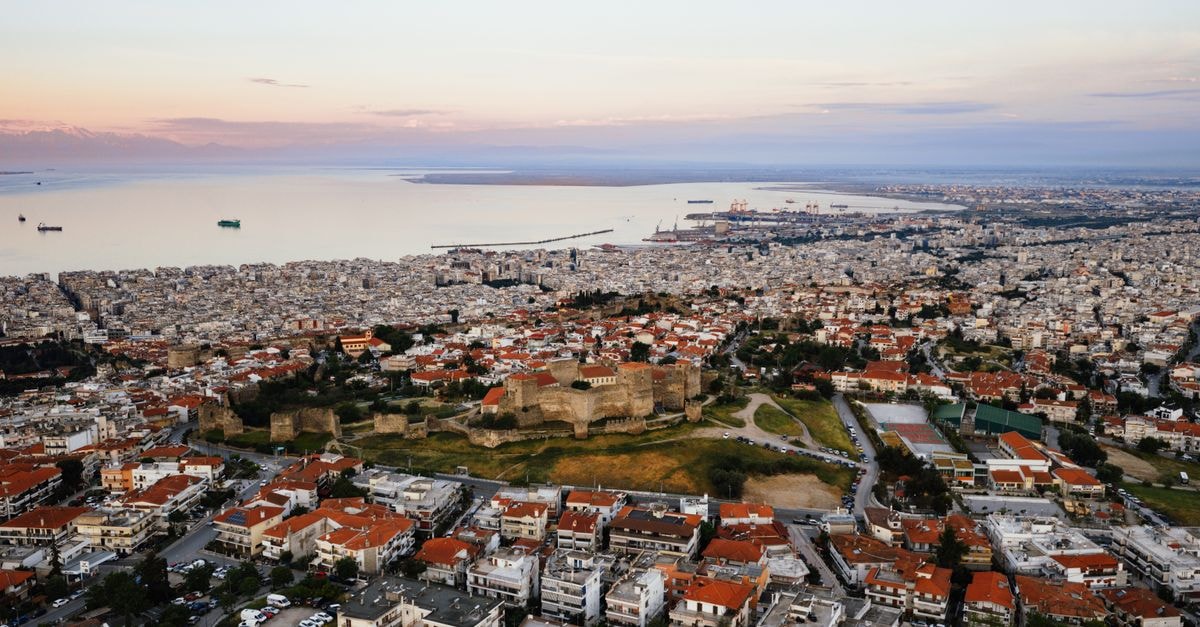
Tucked into the curve of the Carpathian foothills, Brașov feels like a city that rewards unhurried wandering more than a frantic checklist. Stone lanes, Gothic spires and the slow drift of chimney smoke set an unhurried mood the moment you arrive, and the best days here tend to follow that rhythm. This guide leans into that feeling: it focuses on getting into and around the city comfortably, finding the few landmarks that anchor a visit, and approaching the local food culture with curiosity rather than expectations.
Getting around
One practical reality shapes every arrival: Brașov does not have a commercial airport of its own, so most independent travellers come in overland from a larger hub. That single detail tends to influence how people plan their first and last day more than any attraction choice.
For those who do fly, there is a small airfield on the outskirts. The simplest budget option on the ground is RAT Brașov route 51, which connects Ghimbav to Autogara 2 in central Brașov, with onward city buses running into the Old Town. The catch is that the operator updates routes seasonally, so the timetable you glance at on a planning site may not match the one running on the day you actually travel. A quick check of the RAT Brașov website on travel day removes the guesswork and is a habit worth keeping for any onward bus connection as well.
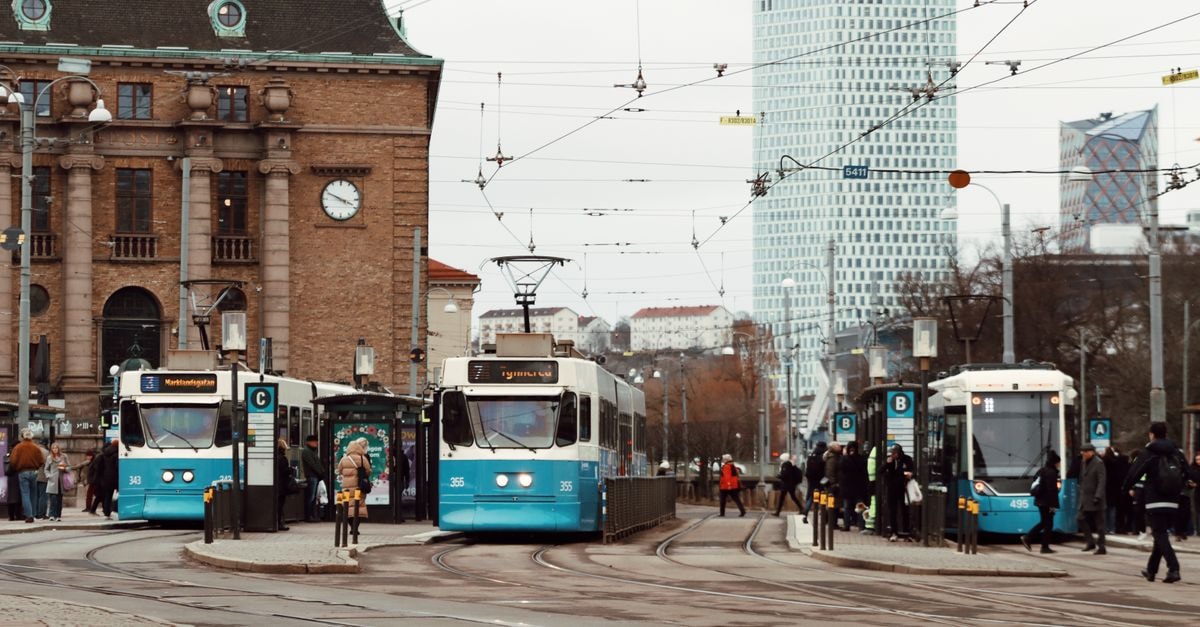
Within the historic centre itself, distances are short and most of the key streets are walkable, which is part of what makes a slow-travel approach to Brașov feel natural. Think of public transport as the bridge between the airfield, the bus station and the old town, rather than as something you will lean on at every turn once you are settled in.
Attractions and planning
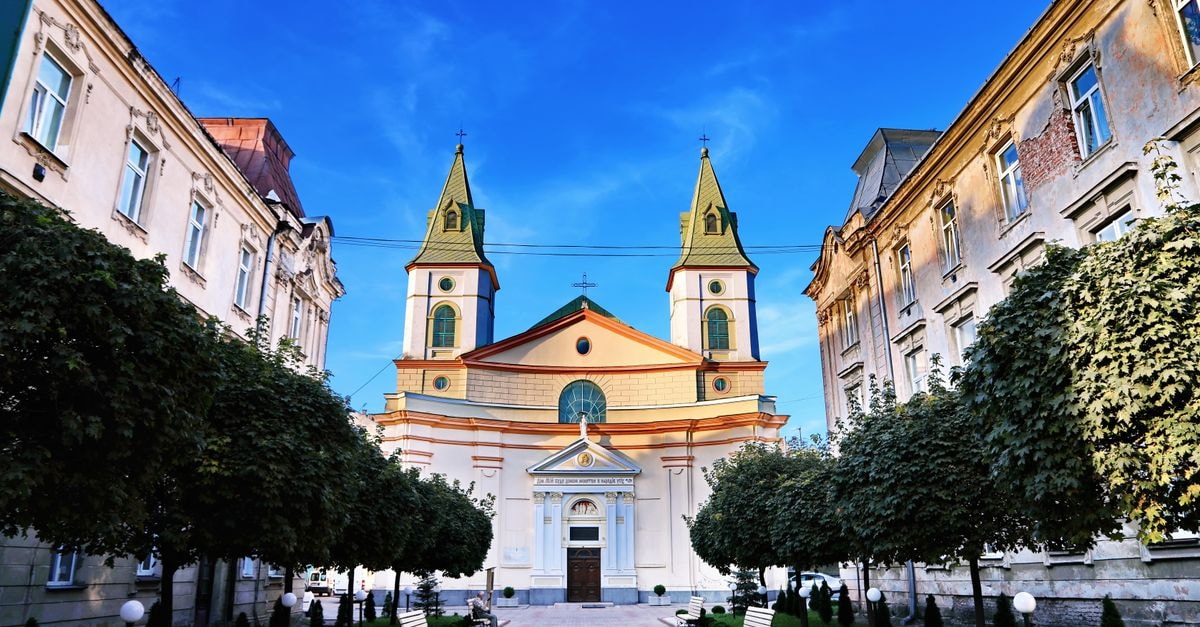
Brașov is often introduced through its most famous neighbours and stories rather than through the city itself, and that can colour first impressions. The local landmark most worth prioritising once you are actually on the ground is the Black Church (Biserica Neagră), Brașov's most recognised sight and a natural anchor for a slow morning or a contemplative afternoon visit. It sits close enough to the main square that you can pair it with a relaxed wander through the medieval streets without any sense of rushing.
Because the city's reputation is so strongly tied to legends and nearby castles, it helps to keep a little mental space between the story you have heard and the city you are walking through. The old centre, the church, the squares and the surrounding lanes hold their own atmosphere, and giving yourself time to notice the smaller details — a carved doorway, a courtyard view, the way light falls on the citadel walls — is often what turns a quick stop into a memorable visit.
Food and local context
Brașov's food culture makes itself known before you sit down to eat. Wood smoke drifting from medieval chimneys above 15th-century cellars, with stews steaming against cold stone, is part of the sensory backdrop of the old town, and it gives a useful frame for the meals that follow.
The city sits within a wider Romanian culinary tradition shaped by its position in the Carpathian Mountains and by layered cultural influences over the centuries. That heritage shows up in hearty, flavour-forward dishes that favour slow-cooked ingredients, preserved vegetables, dairy, game and bread, all of it designed for colder mountain weather and long working days. Knowing this background helps travellers read a menu with more confidence and makes even a simple lunch feel connected to the place rather than interchangeable with any other European old town.
Rather than chasing specific restaurant recommendations, a slow traveller does well here by paying attention to atmosphere: places set into the old cellars, menus that lean on traditional preparations, and the kind of unhurried service that matches the pace of the city. Pairing that approach with an openness to whatever the kitchen does best tends to produce the most satisfying meals.
A few slow-travel rhythms worth keeping
- Treat the first hour after arrival as orientation rather than sightseeing. Confirm your onward bus, find the Old Town on foot, and let the scale of the centre sink in before committing to a schedule. - Build the Black Church into the middle of a day, not the rushed first or last stop, so you have time to sit with it. - Let the medieval streets be a destination in their own right. Brasov rewards wandering more than mapping. - Use the local airport-area bus as a simple arrival and departure tool, but recheck the timetable on the RAT Brașov website on the day you travel so seasonal changes do not catch you out. - Approach food through the wider Romanian tradition of hearty, slow-cooked dishes, and choose settings that feel rooted in the old town rather than generic.
A city like Brașov does not need a packed itinerary to feel full. A reliable arrival plan, one or two anchor sights, and an attentive approach to the local food culture are usually enough to turn a short stop into something that lingers well after the journey home.
---
*Practical reminder: details such as bus timetables, opening arrangements and local services can change, so it is always worth confirming the latest information through official channels before you travel.*
Share this article
TOOLS FOR THIS PLAN
Make the Brasov plan measurable
Choose a tool only when it answers the next question in your trip. Your values stay in the browser, and each tool offers a route back to this planning context.