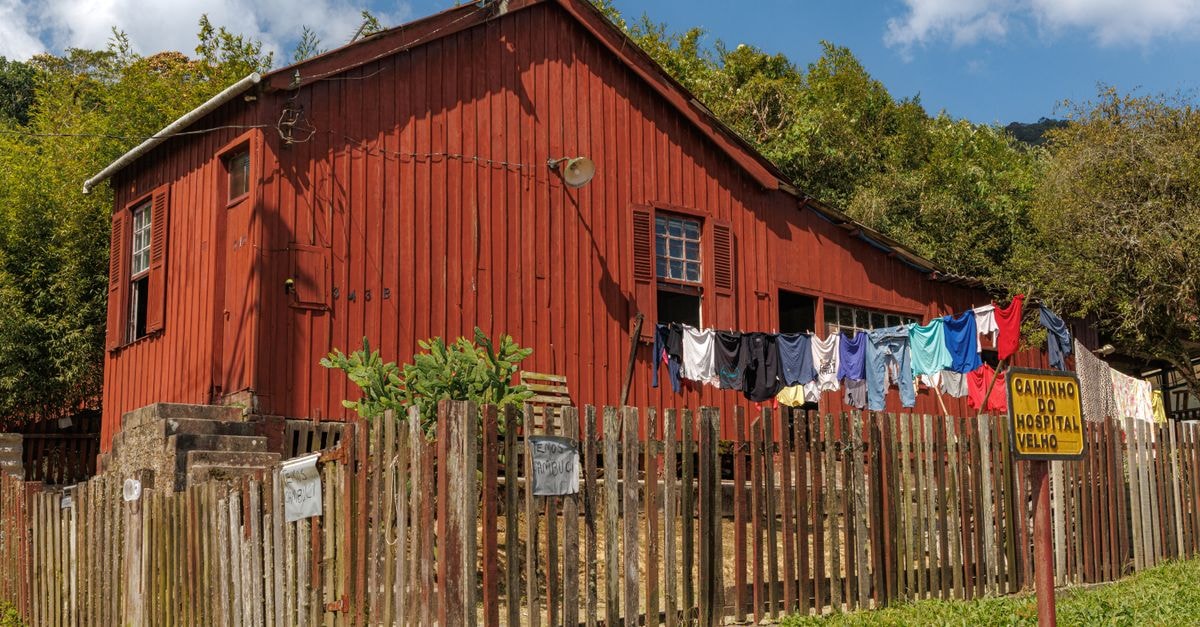
Gravataí offers a relaxed alternative for exploring an industrial and residential Brazilian city connected to the larger Porto Alegre metropolitan area. Its downtown is compact enough for short walks, while the wider road network can involve busier traffic near Porto Alegre. This guide keeps the focus on the essentials: how to move through the city, where its character can be discovered, and how to approach food without assuming that every Brazilian custom is necessarily specific to Gravataí.

Getting around Gravataí
Central Gravataí is compact enough for short walks around downtown, markets, and municipal services. That makes walking a useful way to experience the city at a human pace, especially when keeping the day local rather than trying to cover too much ground. The sidewalks are generally serviceable, although uneven sections can appear, so a little attention while walking is sensible.
Driving is straightforward, but busy traffic corridors around Porto Alegre can become more congested during rush hours. Gravataí is an industrial and residential city near Porto Alegre, and it also offers access to the bigger metro area. For visitors arriving with a car, the practical balance is simple: use the compact center for nearby exploring, and allow extra time when driving toward or through the wider metropolitan road network during peak periods.
The Igreja Matriz Nossa Senhora dos Anjos is one of the city’s main architectural landmarks. It gives drivers and walkers a useful point of orientation when thinking about the city beyond a purely functional stop.
Parks, history, and local character
Gravataí is known for its pleasant parks, historical sites, and year-round events celebrating local traditions. That combination makes the city feel worth approaching as more than a quick stop: parks offer an easy change of pace, historical sites provide a sense of place, and local events can add cultural texture when they are available during a visit.
The city’s character is shaped by both residential and industrial life. Rather than chasing a list of attractions, travelers can use the center as a base for short walks and let the parks, historical places, and local events set the rhythm. The Igreja Matriz Nossa Senhora dos Anjos is a particularly recognizable architectural reference point within that picture.
Because the available information does not confirm a current calendar, opening hours, or event status, check official local channels before making plans. Gravataí’s local traditions are part of its appeal, but a specific event should not be treated as guaranteed without current confirmation.
Food and wider Brazilian context
The approved information supports wider Brazilian food and dining context, but it does not establish a Gravataí-specific dish, restaurant, market, or menu. That distinction matters. Visitors may encounter familiar elements of Brazilian food culture, yet it would be misleading to label any particular food as a Gravataí specialty based on the available evidence.
A grounded approach is to treat meals as part of the local experience while remaining open to what is actually available. The guide does not provide prices, restaurant rankings, opening times, or a verified list of venues, so those details should be checked independently rather than inferred from general information. Likewise, no city-level food source in the evidence supports claiming that a particular dish or dining style belongs uniquely to Gravataí.
Weather and seasonal context
The available weather material points to current weather information and detailed forecasts as resources for planning a visit, but it does not provide supported temperatures, rainfall figures, or season-specific conditions. For that reason, this guide avoids fixed claims about the best time to visit or what the weather will feel like at a particular point in the year.
A flexible plan works well. Gravataí is known for its parks and year-round events celebrating local traditions, so outdoor and cultural possibilities may be part of the city’s appeal. Visitors can keep their schedule adaptable, check a current forecast before heading out, and avoid building an itinerary around weather assumptions that the supplied information does not verify.
The same caution applies to planning around local events. Events celebrating local traditions are part of Gravataí’s known character, but the available facts do not specify a recurring calendar or confirm that a particular event will be operating during a particular stay.
A simple way to experience the city
Gravataí is best approached as a compact city with distinct layers: residential and industrial surroundings, a walkable center, nearby access to the larger metro area, parks, historical sites, and traditions expressed through local events. The Igreja Matriz Nossa Senhora dos Anjos is one useful architectural landmark for orienting that experience.
For a low-friction visit, begin with the practical geography. Keep the first part of the day close to central Gravataí, where short walks can connect downtown, markets, and municipal services. Then allow additional time if driving toward Porto Alegre, particularly on busy corridors around rush hours. Treat food as an open-ended part of Brazilian travel, without forcing a supposed Gravataí specialty into the plan.
Finally, use current information for weather, events, access, and any venue details. Factual travel conditions can change, and official channels should be checked before departure.
Share this article
TOOLS FOR THIS PLAN
Make the Gravataí plan measurable
Choose a tool only when it answers the next question in your trip. Your values stay in the browser, and each tool offers a route back to this planning context.