Welcome to

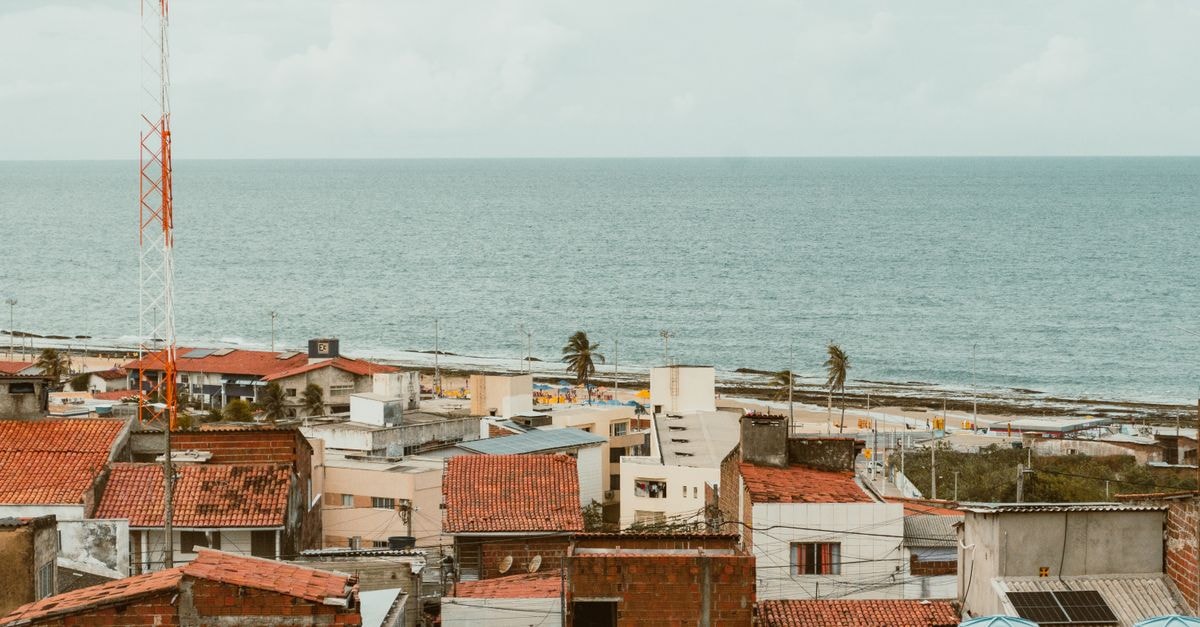
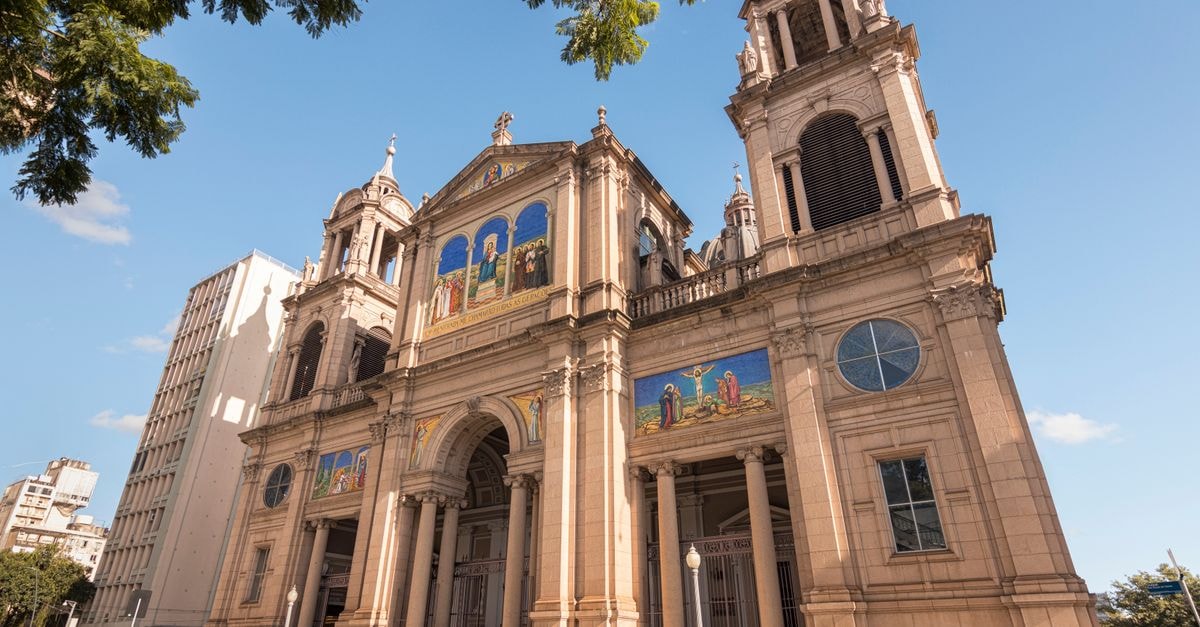
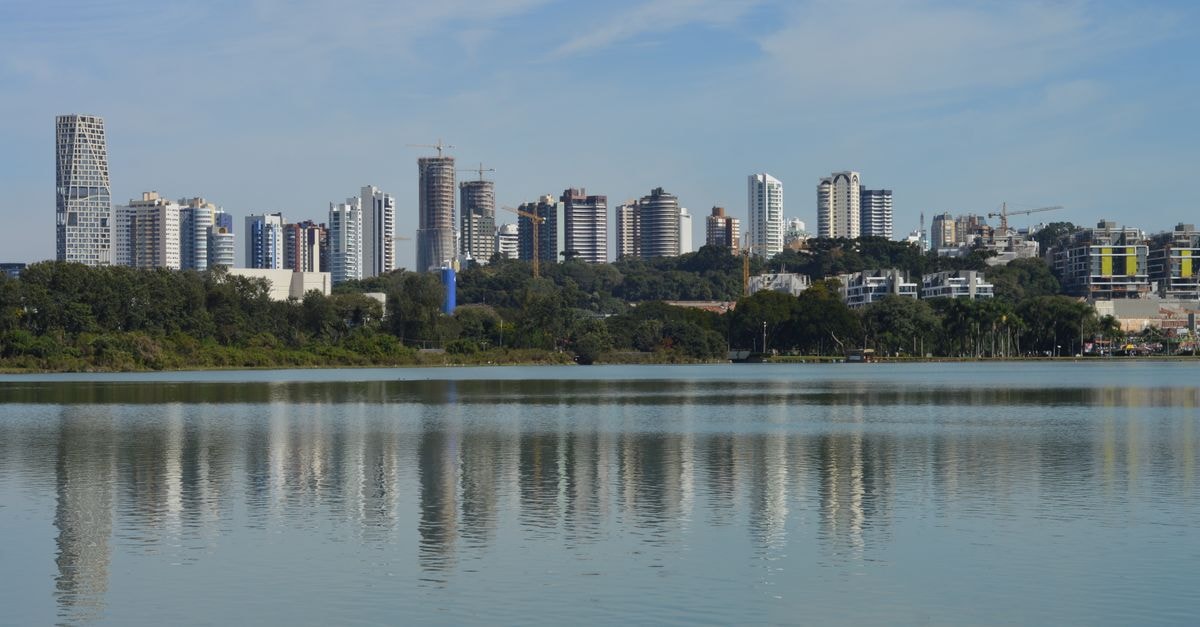
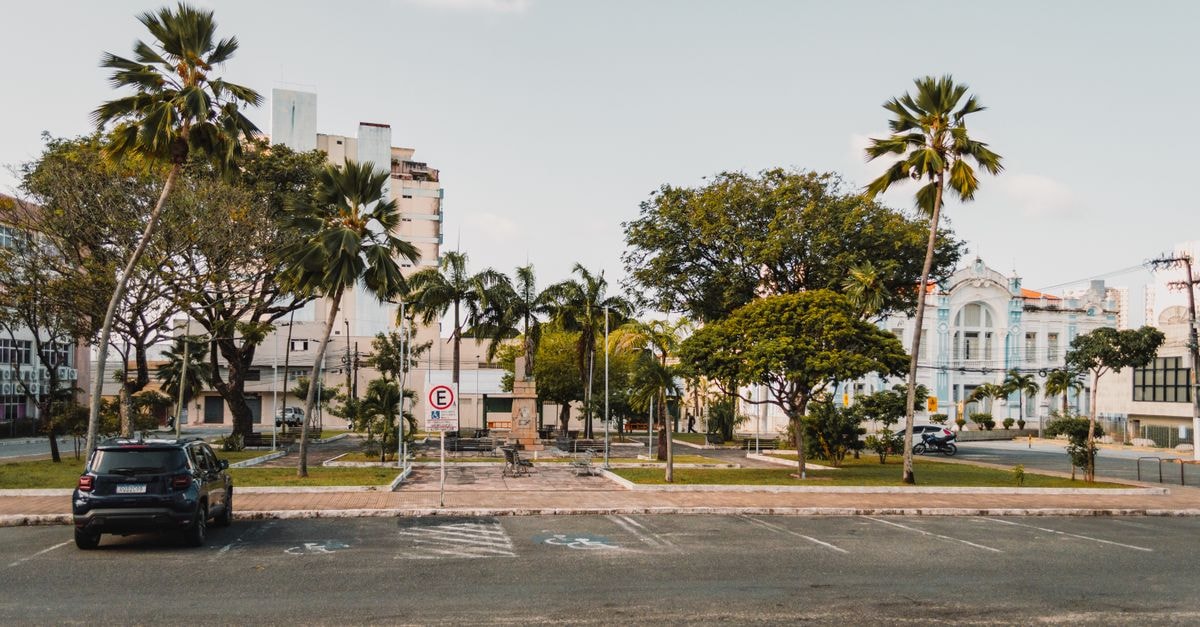
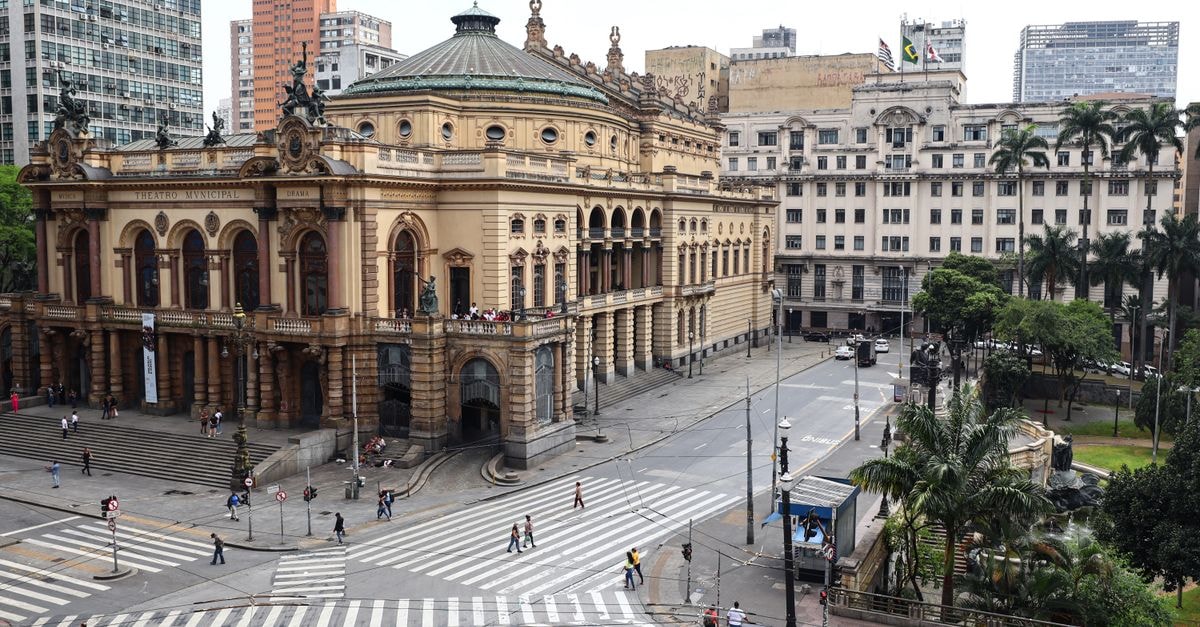
That dual personality is part of what makes São Carlos worth a stop. It blends technological innovation with a rich cultural heritage, and it wears the nickname "Capital of Technology" with a certain ease. Visitors who arrive curious tend to find a city that rewards unhurried exploration, where academic energy meets a slower interior-Brazilian rhythm and the surrounding green spaces feel close enough to touch.
This guide keeps things simple and grounded. It is built for travelers who want to understand the city's identity, navigate it without stress, and know what to expect when it comes to the wider Brazilian food culture they will encounter while here.
Weather and Seasonal Context
São Carlos sits inland in São Paulo state, which already tells you something useful before you even check a forecast. Inland cities in this part of Brazil tend to experience more defined temperature shifts between seasons than coastal destinations, with hotter stretches and cooler stretches feeling distinct rather than blurring together.
Because weather specifics for a particular travel window change year to year, the more useful approach is to plan around general expectations rather than a single daily forecast. Travelers tend to find that mornings and evenings feel cooler, while midday can warm up noticeably. Light layers, breathable daytime clothing, and a small umbrella or rain jacket for the occasional shower are a sensible combination for most visits.
Pacing your day around the sun is a gentle habit that works well here. Outdoor exploring tends to feel most comfortable earlier or later, while the middle of the day invites a slower lunch, a museum stop, or simply time in the shade. Travelers sensitive to heat will find that the city's parks and tree-lined areas offer natural relief, and that the rhythm of the place encourages exactly that kind of ebb and flow.
For any specific trip, checking a current forecast close to departure is wise, since conditions can shift and the city deserves to be experienced in comfort.
Getting Around
São Carlos rewards travelers who treat it as a destination in its own right, not as a waypoint. Despite its status as a technological and university hub, the city knows how to surprise leisure travelers, and that sense of surprise often begins with how pleasant it is to simply move through.
The city's footprint feels manageable. Major points of interest tend to cluster within a comfortable radius, and the central areas are walkable in a way that rewards slow attention. Visitors who enjoy walking will find that the most rewarding discoveries often happen between destinations rather than at them: a tucked-away plaza, a café with a view, a stretch of historic streets that hints at the coffee-era past.
For longer distances across the city, taxis and rideshare services operate and are the most common choice for visitors without a car. The roads are straightforward, and navigation tends to be intuitive. Travelers renting a car gain flexibility for reaching the green areas and outskirts, where the city's blend of urban and natural scenery opens up.
The harmonious combination of historical heritage, modern science, and picturesque green zones is part of what makes the city pleasant to navigate. You are never far from one of these three threads, and moving between them feels natural rather than like a long commute.
Food and Local Context
Because São Carlos sits firmly within Brazilian food culture, the wider context is genuinely useful to know before you arrive. Brazil as a whole offers a rich and varied culinary landscape, and understanding a few of its patterns helps you read menus and feel more confident as a visitor.
Across Brazil, mealtimes tend to follow a familiar rhythm: a lighter morning start, a substantial lunch that often serves as the main meal of the day, and a relaxed evening dinner eaten a little later than in some other cultures. Snacking is common, especially in the afternoon, and fresh fruit, baked goods, and small savory items appear frequently in daily life.
Brazilian cuisine itself is famously regional and diverse, reflecting the country's vast geography and history. Coastal areas lean toward seafood and tropical ingredients, while interior regions like São Paulo state often showcase hearty meat dishes, beans, rice, fresh cheese, and the influence of Italian, Portuguese, and indigenous traditions layered together over generations.
Desserts and sweet treats are part of the national food story, often featuring tropical fruits, condensed milk, and cacao. Coffee, unsurprisingly given the country's deep coffee history, is taken seriously, and a simple café visit can feel like a small cultural ritual rather than just a caffeine stop.
Hospitality around food tends to be generous and warm. Sharing plates is common, portions are often generous, and mealtime is treated as a social event rather than a quick refuel. Travelers who approach Brazilian food with curiosity and an open appetite tend to be rewarded.
That said, the specific restaurants, markets, and signature dishes of São Carlos are best discovered on the ground once you arrive. Local recommendations and a short walk through the central areas will quickly surface the spots that matter, and asking locals where they eat is often the most reliable path to a memorable meal.
A Few Practical Notes for Visitors
A few small habits tend to make a São Carlos visit smoother. Carrying a little cash for small establishments is helpful, though card payment is widely accepted in most places. Portuguese is the main language, and while you will find helpful English speakers in academic and tourist-facing contexts, a few basic Portuguese phrases are appreciated and go a long way.
The city's identity as the "Capital of Technology" is real, but it does not define the experience of visiting. The cultural heritage and the green surroundings give the city its character for travelers, and balancing time between museums, university-adjacent areas, historic streets, and natural spaces tends to produce the most satisfying visit.
Above all, São Carlos rewards the kind of traveler who enjoys a place that asks to be understood rather than simply seen. Give it a little time, walk more than you think you will, and let the city's own rhythm shape your days.
A Note on Verification
Travel conditions change. Weather, opening hours, transport availability, and local services can shift between the time of writing and the time of your visit. Treat the framing in this guide as a starting point rather than a final word, and check official or local channels close to your departure for the details that matter to your specific plans. Exchange rates, where relevant, should always be confirmed at the time of travel rather than relied upon as fixed.
This guide focuses on durable city identity, general orientation, and the wider cultural context visitors are likely to encounter. For decisions about specific venues, prices, schedules, or bookings, current local information is your best companion.
Prices, opening hours, schedules, reservation rules, and local conditions can change; verify them through official channels before departure.
Share this article
TOOLS FOR THIS PLAN
Make the São Carlos plan measurable
Choose a tool only when it answers the next question in your trip. Your values stay in the browser, and each tool offers a route back to this planning context.