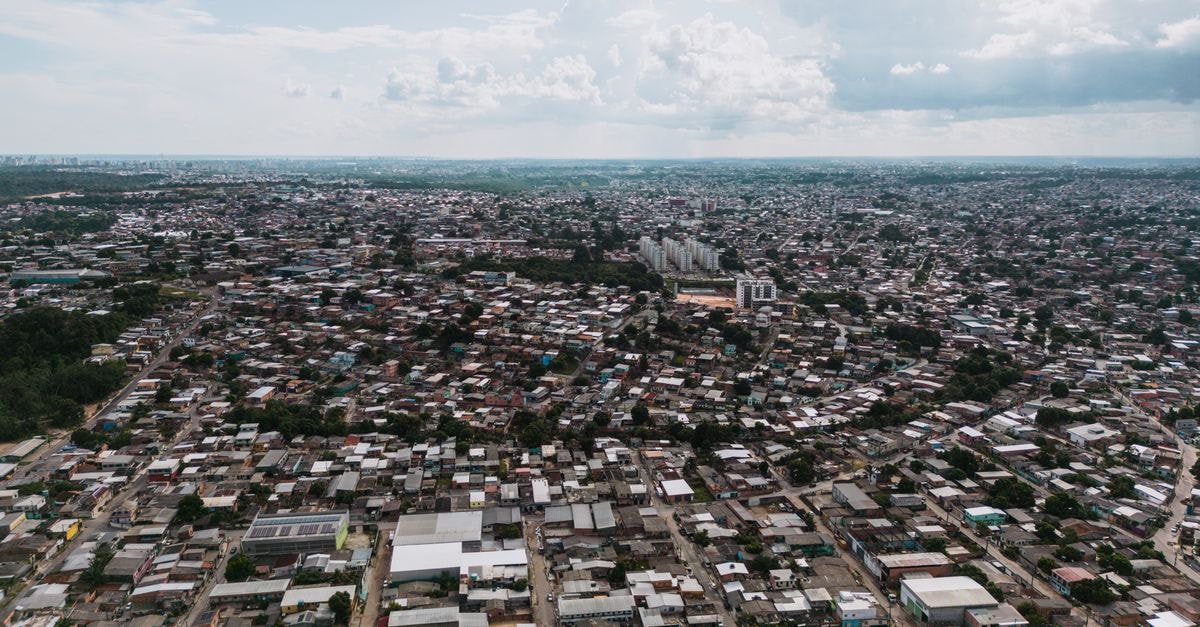
A riverside welcome before the islands

Guayaquil sits on the Guayas River like a city that knows exactly what it is: a humid, palm-shaded tropical hub that many travelers experience as the last mainland pause before the Galápagos. You can spend a couple of days here walking along the Malecón 2000 waterfront, climbing up to the colorful Las Peñas neighborhood, and letting the river breeze reset you after a long flight. The energy is busy and proud rather than polished, and visitors often describe it as a city that rewards slow wandering more than a checklist.
If you are the kind of traveler who likes a base city that mixes harbor views, neighborhood dining, and easy onward connections, Guayaquil tends to fit that bill. The food scene is rooted in Ecuador's wider coastal cuisine, the climate is unmistakably tropical, and the transport links make it a natural crossroads whether you are arriving from Quito, the Peruvian border, or the airport on your way to the islands.
Weather and seasonal context
Guayaquil has a tropical climate, so humidity and warmth are part of the everyday rhythm. Evenings along the Malecón 2000 stay warm enough for an open-air dinner, and daytime walks between the waterfront and Las Peñas tend to be a little easier if you pace yourself and seek shade.
The broader window that locals and guides often treat as the drier, sunnier stretch runs roughly from June through December. Within that span the weather is described as sunny and warm, which is useful framing if you prefer clearer skies for photography on the river or for time on the waterfront. Outside of those months the city can feel wetter and muggier, and you may want to plan around sudden tropical showers rather than expect a fixed rainy season.
Because climate patterns shift year to year, it is wise to check a short-term forecast close to your trip and to pack for both sun and quick downpours, even in the drier months. Light layers, breathable fabrics, and a compact umbrella tend to serve visitors well.
Getting around
Getting into and around Guayaquil is straightforward, and most of the practical decisions line up with where you choose to base yourself.
**Where to stay and what to walk to.** Downtown Guayaquil is well liked for its abundant dining options, and staying there puts you within reach of top attractions like the Central Market and the Sports Federation of Guayas. Travelers who prefer river views and a slightly newer scene often gravitate toward Puerto Santa Ana, where restaurants cluster along the waterfront and you can wander over to Santa Ana Hill and La Perla as part of the same outing. A riverfront stay in Puerto Santa Ana or a quieter property like Hotel del Parque can simplify evenings if you want to be on foot for dinner rather than relying on a ride.
**Onward travel by bus.** Guayaquil is connected by long-distance bus to other major cities, and travel-guide descriptions note international operators such as Cruz Del Sur serving routes from other cities and countries including Peru. That makes overland arrivals and departures a possibility worth checking if you are building a route that links the coast to Lima or to other Ecuadorian hubs.
**A simple rhythm.** Many visitors spend a first evening along the Malecón 2000, dedicate a day to walking up into Las Peñas and the Guayaquil Historical Park (a site typically open Wednesday through Sunday), and save a quieter morning for Puerto Santa Ana before continuing onward. None of that is a fixed itinerary, but it matches how the city's layout tends to reward pedestrians.
Food and local context
Guayaquil's food culture does not stand alone. It sits inside the wider Ecuadorian kitchen, where coastal recipes, Andean staples, and Amazonian ingredients meet in markets and family kitchens across the country. Visitors who arrive in the city will quickly recognize flavors that belong to this broader national table rather than to a single neighborhood.
Across Ecuador you can expect a food culture built on biodiversity, from the Amazon rainforest to the Galápagos Islands and into the colonial cities of Quito and Cuenca. That variety reaches Guayaquil in the form of fresh seafood along the riverfront, hearty soups inspired by highland cooking, and tropical fruits that show up in everything from juices to ice creams. While no single dish belongs only to the city, the coastal bend of the Guayas River shapes how seafood and plantain-based plates tend to dominate menus in the riverside districts.
The country as a whole has a strong market culture, and Ecuador's indigenous markets are part of how everyday food moves from farm to table. In Guayaquil that translates into bustling produce halls where you can try regional fruits, watch ceviche being prepared, and snack your way through a morning without a formal reservation. If you prefer a slower pace, restaurants in Puerto Santa Ana and Downtown tend to offer sit-down menus that pull from the same coastal ingredients.
Ecuador is also a compact nation where volcanic landscapes, indigenous markets, and world-class wildlife encounters sit within reach of each other, and the food reflects that mix. Coming from Quito or heading toward Peru, you can taste how the kitchen shifts between highlands and coast, which makes eating in Guayaquil feel like a midpoint rather than a dead end.
Picking a base that fits your trip
If river views and evening dining matter most, Puerto Santa Ana tends to suit travelers who want to step out of the hotel onto the boardwalk, with Santa Ana Hill and La Perla within an easy walk. If markets, central sights, and a denser urban feel appeal to you more, Downtown places you near the Central Market and the Sports Federation of Guayas, and gives you a more local rhythm.
Consider how much walking you want to do versus how often you prefer a short ride: the Malecón 2000, Las Peñas, and Puerto Santa Ana are close enough to combine on foot, but the Guayaquil Historical Park and some of the larger dining clusters are more relaxed with a taxi between them. Travelers heading onward to the Galápagos often prefer a Puerto Santa Ana base to keep transfer days simple.
A note before you go
Factual travel conditions can change, so it is worth confirming transport schedules, opening days, and any entry requirements through official channels before departure. Treat the climate notes above as general framing rather than a guarantee for any specific week, and check a current forecast closer to your trip.
Share this article
TOOLS FOR THIS PLAN
Make the Guayaquil plan measurable
Choose a tool only when it answers the next question in your trip. Your values stay in the browser, and each tool offers a route back to this planning context.