Welcome to Gunpo
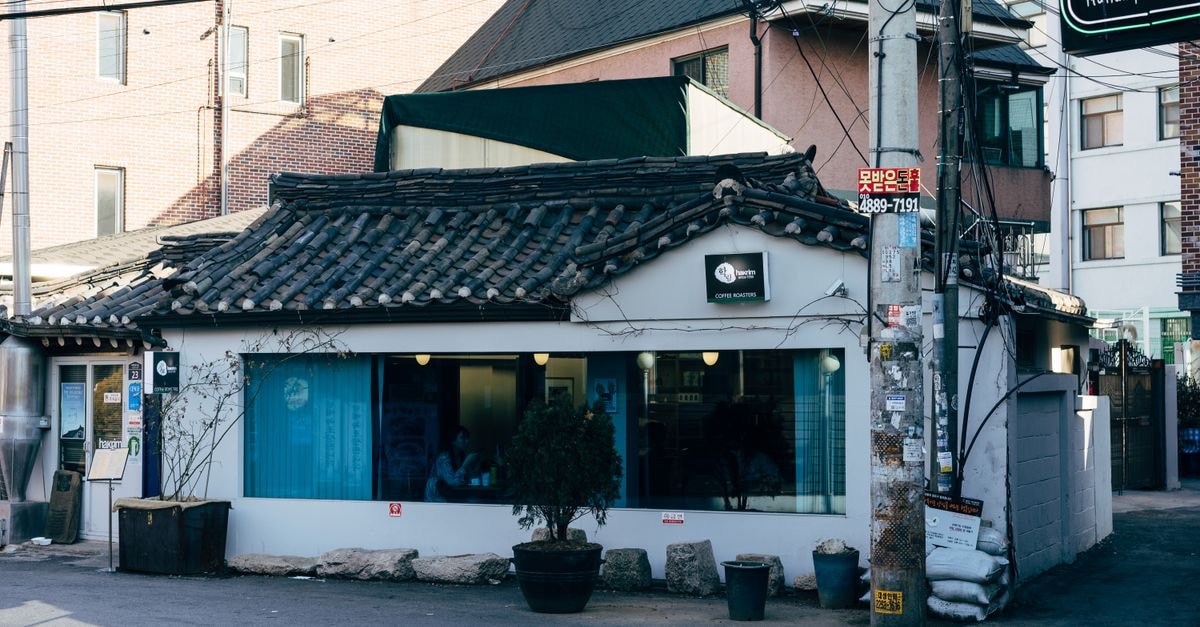
Gunpo sits in Gyeonggi-do, the province that wraps around Seoul, and it offers the kind of low-key setting that travelers use as a soft landing before or after the capital rush. The pace feels more residential than touristy, and the rhythm of the day tends to follow local cafés, neighborhood markets, and small green pockets rather than a checklist of headline sights. For visitors who want a calmer base with easy access back into the wider Seoul metropolitan area, Gunpo can feel like a refreshing change of texture without being remote.
This guide leans into that mood. Think of it as a starting frame for a short visit, useful for first-time travelers who want to know how to arrive, what kind of nature is close at hand, and what to expect when sitting down for a meal.
Getting around
Once you are in the area, Gunpo functions well as a rail-based stop within the Gyeonggi-do network. The station acts as a natural anchor point, and the surrounding blocks are easy to explore on foot. For travelers who like to sketch their day as a simple A-to-B-to-C loop rather than a fixed schedule, that compactness is part of the appeal. If you prefer a more structured approach, several online itinerary planners can be personalized to stitch together transport, activities, and accommodation into a usable draft, which can then be trimmed down to match your pace.
One of the most rewarding reasons to step away from the station is the Dang Forest of Deokgogae, a quiet woodland known for its mature oriental oak and beech trees. It is the kind of place where a half-day can stretch comfortably into an afternoon, especially if you enjoy slow forest walks over photo-driven sightseeing. If you prefer woodland settings defined by mature trees rather than groomed ornamental gardens, this forest may suit your preference for a more naturalistic setting.
Attractions and planning
Gunpo is not a city built around a single marquee landmark. Instead, it offers a few gentle focal points that reward unhurried attention. Near the station, visitors will notice cherry blossom motifs worked into the streetscape, with planted cherry trees framing the approach and signaling the arrival of spring color when they bloom. Even outside of blossom season, that decorative thread gives the area a quietly seasonal character and hints at how the neighborhood marks the passing months.
Royal Azalea Hill is associated with the imagery of spring petals caught in the wind, a scene that invites visitors to slow their pace and take in the surroundings with their feet on the path rather than through a phone screen. Travelers who enjoy short, contemplative walks rather than steep hikes may appreciate this kind of low-effort nature stop. Anyone who prefers longer, more demanding trails can easily use the hill as a warm-up before venturing further into Gyeonggi-do's broader network of forested areas.
Because the city leans residential, the practical rhythm tends to be: arrive by rail, settle in, take a slow morning walk near the station, then step out toward the forested hills for the second half of the day. This shape suits travelers who value atmosphere and breathing room over a packed attraction list.
Food and local context
Korean food culture is something visitors will encounter across the country, and Gunpo is no exception. The wider South Korean table is built around rice, vegetables, seafood, and meat, with side dishes, soups, and grilled specialties sharing space on the same tray. Sitting down to a Korean meal, whether in a small neighborhood restaurant or a larger setting, often means several small plates arriving at once, shared among everyone at the table. That shared-plate style is part of the everyday experience of eating in South Korea.
Travelers who are new to Korean cuisine may want to approach the meal as a tasting process rather than a single ordered dish. Trying a bit of everything, including unfamiliar banchan, is a gentle way to learn what suits your palate. For visitors with dietary preferences, it is worth noting that many menus lean heavily on meat and seafood, though rice, vegetable, and tofu-based dishes are common enough to offer variety.
South Korea also marks its culinary year with seasonal festivals, including the traditional Cold Food Festival, a moment when specific foods take on a cultural resonance beyond their everyday role. Visitors who happen to be in the country during such a period may notice festival-linked menus or special displays, which can be a window into how food is woven into the national calendar. This kind of nationwide context is part of the texture visitors may encounter while spending time in Gunpo, even though it is not framed as a city-specific event.
Choosing what fits your trip
Gunpo works best for travelers who want a quieter base than central Seoul, with rail access, short nature stops, and an everyday Korean food scene close at hand. If your priority is a dense cluster of museums and headline landmarks, you may want to use Gunpo as a restful secondary stop rather than your main base. If your priority is slow forest walks, residential neighborhood atmosphere, and easy movement by public transit, the city can comfortably carry a short visit on its own terms.
A useful approach is to keep arrival logistics simple, plan one nature block in the hills, and leave generous open time for wandering near the station and exploring local meals. Travelers who enjoy soft itineraries over tightly scheduled days tend to get the most out of a stay here.
Before you go
Conditions on the ground, from transport schedules to forest access and seasonal food offerings, can shift over time. It is always worth checking official transport websites, local tourism pages, and your accommodation for the latest details before you travel. Factual travel conditions can change, and a quick confirmation before departure helps keep your plans grounded.
Prices, opening hours, schedules, reservation rules, and local conditions can change; verify them through official channels before departure.
Share this article
TOOLS FOR THIS PLAN
Make the Gunpo plan measurable
Choose a tool only when it answers the next question in your trip. Your values stay in the browser, and each tool offers a route back to this planning context.