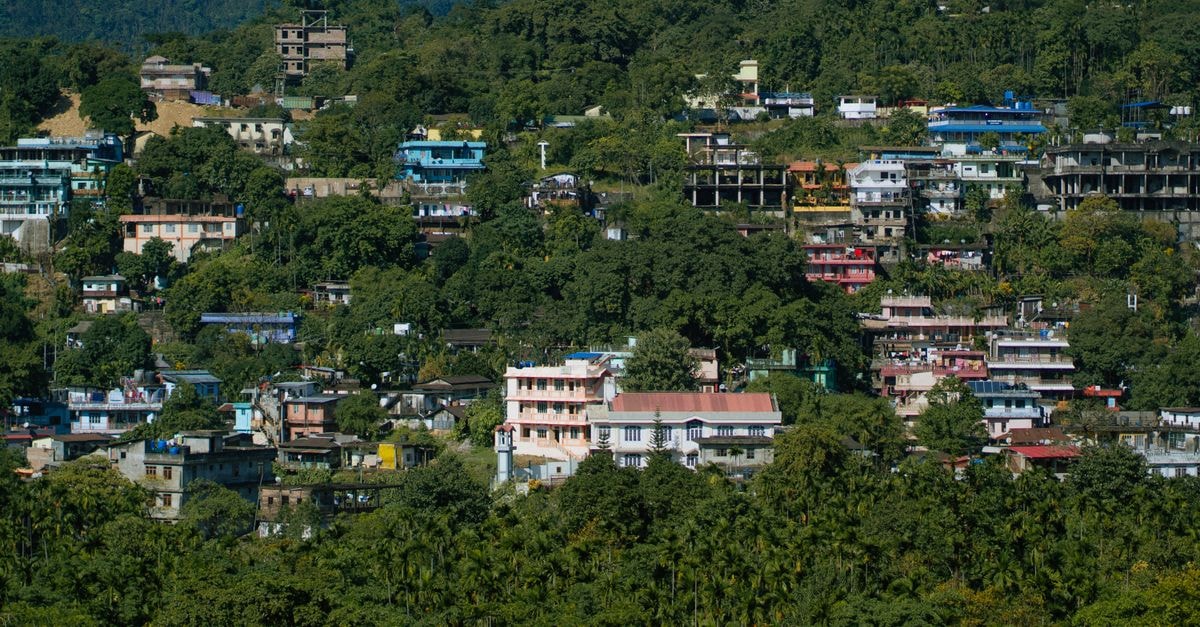
A planned city with its own rhythm
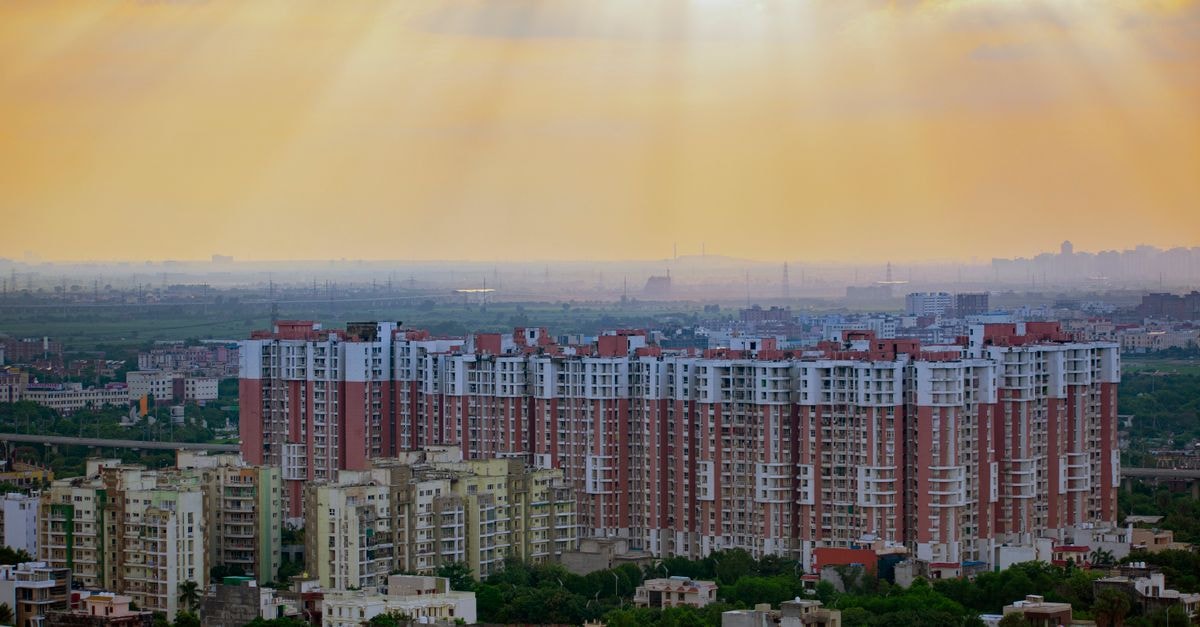
For travellers, this character matters. Greater Noida is not a heritage town built around centuries-old lanes; it is a contemporary city where the experiences are planned, spacious, and often tied to specific venues rather than wandering through old quarters. That shape is useful to know before you arrive, because it changes how a day here unfolds.
Weather and seasonal context
The approved sources describe the city and its landmarks without giving precise temperature figures, so this guide keeps weather advice gentle and evergreen rather than locking the trip to a specific forecast.
If you prefer gardens and wetlands over long walks at midday, lean into the late afternoon. The Surajpur Wetland, mentioned among the city's standout attractions, may suit visitors who prefer softer light for outdoor sightseeing, though specific opening hours and access conditions are worth confirming locally. Travellers sensitive to heat may want to reconsider a full midday circuit and instead string the day around two relaxed windows — one before lunch, one before dinner.
This guide does not pin weather to a single month, because the supporting evidence describes landmarks and attractions rather than specific seasonal readings. The practical shape of the advice stays useful regardless of when you visit.
Getting around
Two practical notes that often help first-time visitors:
- Decide your anchor points before you set out. Greater Noida is built for destinations — an expo, a resort, a wetland — rather than for aimless strolling.
Travellers who prefer walkable old towns may want to reconsider how much of the trip they spend inside Greater Noida versus nearby areas with denser lanes and shorter distances between sights. There is no rule that says you must walk everywhere here; the city simply rewards a different rhythm.
Food and local context
Greater Noida sits within a much wider Indian dining landscape, and that wider context is worth understanding before you sit down for your first meal.
Regional cuisines across the country each carry their own flavors and traditions, and understanding these traditions helps travellers connect with local culture. Food is more than just sustenance in this setting — it is an integral part of rituals, festivals, and social gatherings, reflecting a broader food culture shaped by diversity in languages and landscapes.
What that means in practice is fairly simple. Meals here often arrive as a sequence of small dishes rather than a single plate, and the social rhythm of eating — who serves, who starts, how shared plates are handled — carries its own etiquette. Visitors who take a few minutes to observe the room tend to feel more comfortable quickly.
A few evergreen pointers that match the broader India context:
- Wash your hands before and after a meal, especially when eating with hands is part of the experience. - Eat from the shared plate using the right hand, even if you are left-handed — this is a common courtesy rather than a strict rule. - Pace yourself with spice levels. Asking for a milder version, or sampling a small portion first, is a perfectly normal thing to do.
Travellers with strict dietary needs may want to clarify ingredients and preparation methods when ordering, since vegetarian and vegan patterns vary by restaurant. Because the approved evidence describes national food culture rather than specific Greater Noida eateries, this guide does not name individual restaurants or markets. Treat any specific venue as something to verify before relying on it.
Choosing what fits your trip
Greater Noida is best framed as a destination of anchors rather than a wandering city. If your trip is built around an expo, a concert, a golf-and-spa stay, or a wetland visit, the city rewards that focus with a calm, unhurried feel. Travellers who enjoy modern skylines, planned precincts, and resort-style downtime will find plenty to fill a couple of days.
If your ideal trip is dense heritage lanes, long walking tours, and street food at every corner, you may want to balance Greater Noida with a stint in older parts of the wider Delhi–Noida region, where the texture is closer to a classic Indian city. The Taj Mahal photo that surfaces in many Greater Noida galleries is a hint in itself — the big-name heritage sights live outside the city, and treating them as separate plans keeps expectations honest.
For visitors who like a quiet base, a single resort can carry a whole short stay. For visitors who want to mix business and leisure, anchoring the trip to the India Expo Centre & Mart or Pari Chowk gives the day a clear shape. Either way, the city tends to suit travellers who plan a little more and wander a little less.
A note before you go
Factual travel conditions can change at any time. Venue opening hours, exhibition calendars at the India Expo Centre & Mart, transport links, and on-site services at resorts can all shift between booking and arrival. Before you set out, check the latest information through official channels and your accommodation, and treat this guide as a starting point rather than a final answer.
Share this article
TOOLS FOR THIS PLAN
Make the Greater Noida plan measurable
Choose a tool only when it answers the next question in your trip. Your values stay in the browser, and each tool offers a route back to this planning context.