A Slow Introduction to Gwalior

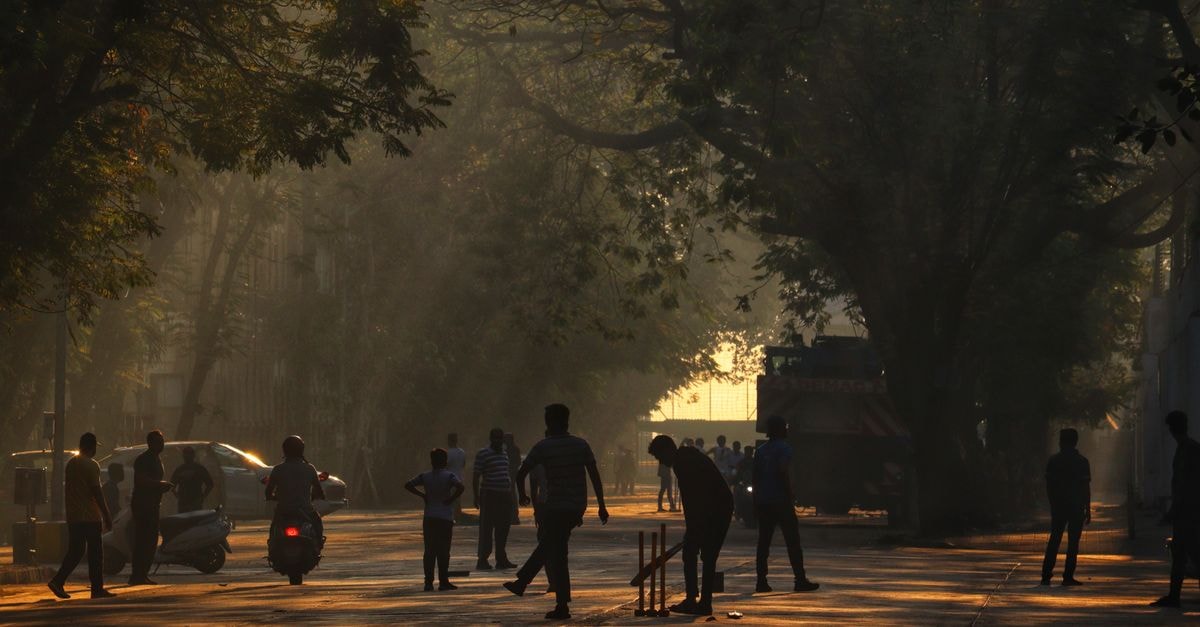
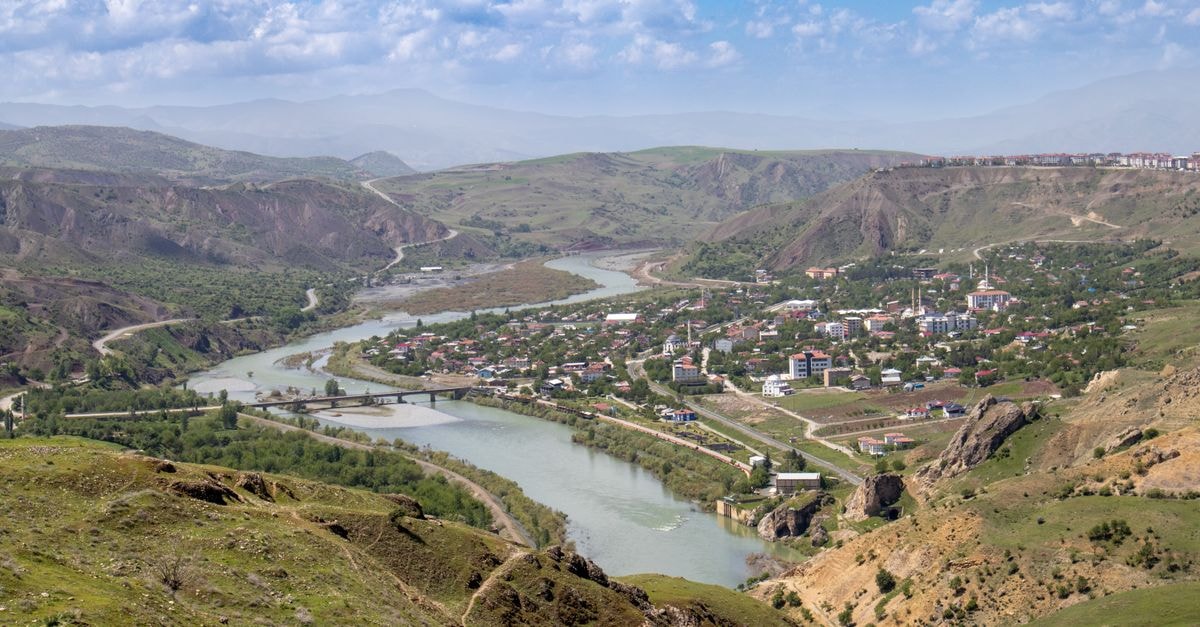
Gwalior sits in the heart of Madhya Pradesh with a personality that feels older than its roads. It is the kind of city where history has weight without feeling heavy, and where a single hilltop silhouette can set the tone for an entire visit. Travelers who like their cities layered, with stories tucked into fort walls and flavors tucked into street corners, often find themselves lingering longer than expected.
This guide keeps things simple. It pulls together what is verifiably on the ground in Gwalior, from the weather rhythm visitors tend to notice, to the forts and gardens worth planning around, to the local food culture that locals speak about with real pride. It is written as evergreen city guidance, so the focus stays on the place itself rather than a specific moment on the calendar.
Weather and Seasonal Context
Gwalior's weather is shaped by the wider central Indian climate, and rainfall plays a real role in how the city feels on any given day. Seasonal rainfall totals in the broader monsoon period have been recorded in hundreds of millimeters, with individual readings varying. Rainfall distribution across the city can be uneven, with some neighborhoods seeing heavier showers than others, and temperatures that can shift notably between humid warmth and cooler spells.
For travelers, the practical takeaway is gentle rather than dramatic. Rain in Gwalior can arrive in short, heavy bursts that pass quickly, and the distribution across the city can be uneven, so carrying a light layer or a compact umbrella is a reasonable habit. Mornings and evenings tend to feel more comfortable, which often suits visitors who prefer to pace the day around outdoor sights. Because the city's climate can shift between humid warmth and cooler spells, dressing in breathable fabrics and planning for occasional rain generally keeps the day comfortable.
A simple approach works well here: start early for forts and open-air monuments, take a slower midday break, and step back out when the air feels lighter. Travelers who dislike heavy heat may want to build in shaded stops like gardens or covered palace rooms during the brightest hours, and save walking-heavy moments for the cooler parts of the day.
Attractions and Planning
Within the city, the Government of Madhya Pradesh's Gwalior district page points to a few specific places that travelers may want to research further. The Italian Garden is described as a hidden gem that holds its own unique significance, tucked away in a way that suggests a quieter stop compared to the headline forts. The Chhatris of the Scindia Dynasty are listed under historic sites and natural or scenic beauty, described as memorials built in the memory and honour of the rulers of the Scindia Dynasty. These cenotaph-style structures often suit visitors who enjoy reflective, open-air spaces with architectural detail rather than crowds.
For travelers who like to balance marquee sights with quieter pockets, a useful rhythm is to anchor a day around one major fort visit, then leave room for a garden or memorial stop in the softer light of late afternoon. Because opening hours, ticket details, and access conditions change, it is wise to confirm current visitor information through official tourism channels before planning each stop.
Food and Local Context
Food in Gwalior is treated with genuine affection, both by visitors and by the city's own tourism voices. The official Visit Gwalior food guide describes the city as offering a rich mix of Bundelkhandi and Malwa cuisine, two regional traditions that shape everyday cooking across this part of Madhya Pradesh. The same guide calls out bedai specifically, describing it as crunchier and more flavored than a regular puri, and a local tourism guide calls bedai the undisputed king of Gwalior street food. For travelers who enjoy exploring a city through its breakfast counters and roadside stalls, this is a useful thread to pull on.
A separate travel feature reinforces the same idea from a slightly different angle, framing Gwalior as a city with both historical and culinary charms and noting that visiting Gwalior is not just about history but about food too. It also points out that the evolution of Gwalior food is quite interesting, suggesting a layered food culture shaped by regional influences rather than a single dominant style.
A simple food plan suits Gwalior well: a slow breakfast built around bedai where it is commonly served, a relaxed lunch that lets regional flavors settle in, and an evening that leaves space for chai and a walk through the older quarters. Because menus, prices, and stall locations shift over time, confirming what is currently open and recommended is a sensible final step.
Picking What Fits Your Trip
A few grounded tradeoffs can help shape the visit without overcommitting. Travelers who enjoy dramatic architecture and are comfortable with climbs may want to give the fort complexes the central role in their days, while those who prefer flatter, quieter stops may find the Italian Garden and the Chhatris more rewarding as anchors. Food-focused visitors will likely want to leave real time for Bundelkhandi and Malwa dishes rather than treating meals as refueling stops, while visitors sensitive to humid weather may want to lean into mornings and late afternoons for outdoor sightseeing and keep midday indoors. None of these choices is right for everyone, and the city offers enough variety to mix and match depending on energy and interest.
A Note Before You Go
Travel conditions, opening hours, ticket rules, and local recommendations can change, and this guide reflects verified information available at the time of writing rather than live updates. Before finalizing plans, it is a good idea to check official tourism channels and local sources for the latest details on weather, access, and food spots. Currency exchange rates, where relevant, should always be confirmed against the live rate on the day of travel.
Prices, opening hours, schedules, reservation rules, and local conditions can change; verify them through official channels before departure.
Share this article
TOOLS FOR THIS PLAN
Make the Gwalior plan measurable
Choose a tool only when it answers the next question in your trip. Your values stay in the browser, and each tool offers a route back to this planning context.