An inviting southern city shaped by water

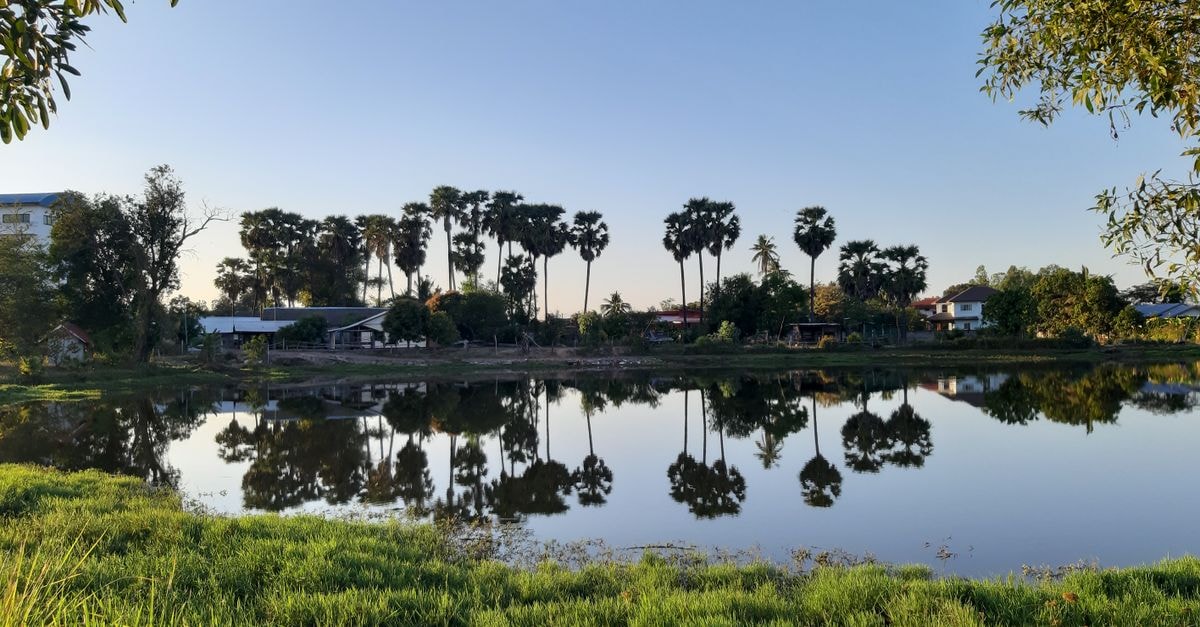
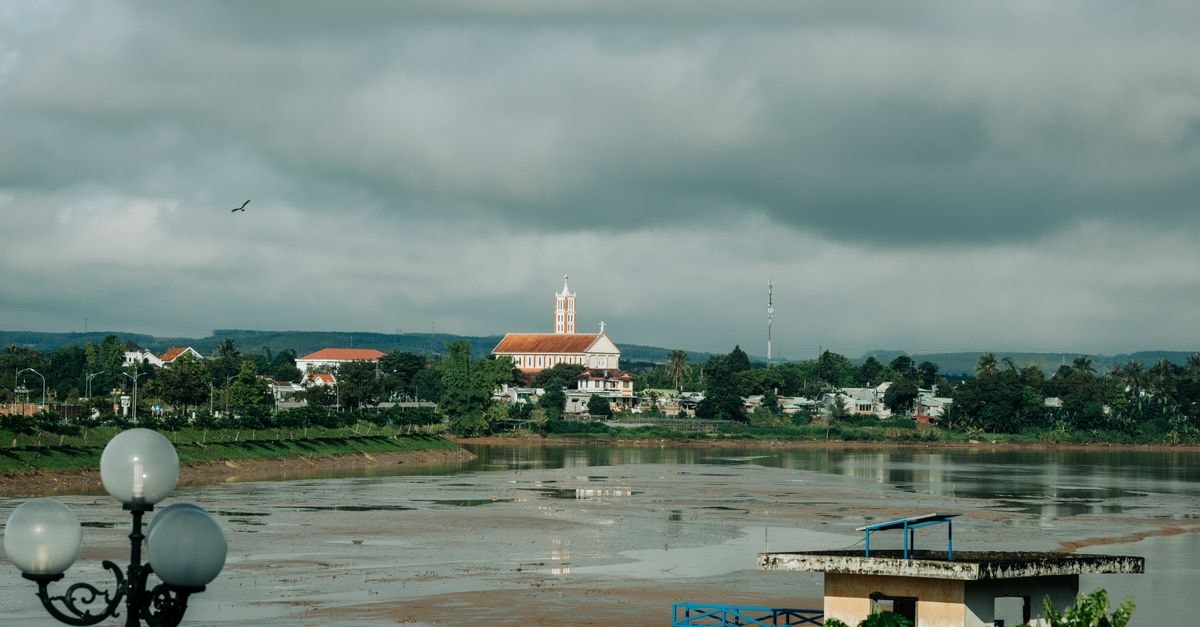
There is something immediately grounding about a city that lives beside a great river, and Ahvāz wears its relationship with the Karun River honestly. The Karun shapes daily rhythms here, from the produce that arrives each morning to the way the city settles into its long evenings. As a visitor, you feel this pull almost at once: streets open toward the water, local markets hum by the riverbank, and the air carries the perfume of grills and fresh herbs that travels far in warm weather. Ahvāz is also a natural gateway to the wider Khuzestan region, an area rich in layered history and deeply rooted food traditions. This guide focuses on what the approved sources actually support, so the picture here is honest and useful rather than padded out with assumptions. Use it as a starting frame, then layer in your own curiosity once you arrive.
Weather and seasonal context
Southern Iran can feel intense in temperature for visitors arriving from milder climates, and Ahvāz is no exception. The available evidence does not include direct temperature readings or specific humidity figures for any particular month, so this section stays gentle on numbers and leans on the supported facts about the city itself rather than any seasonal claim. What is well supported is that Ahvāz is a city where life unfolds around cafés, restaurants, and river-side markets. Cafés at Ahvaz International Airport offer coffee, pastries, and local snacks in both terminals, which is a small but useful detail for travelers arriving late or departing early. Once you are in the city, the river itself becomes a social anchor. Local markets sell fresh produce and grills by the Karun River, and meals in this part of Iran tend to be robust and flavorful at modest prices. Pacing yourself is sensible: slow breakfasts, a shaded afternoon, and a long, social evening align well with how the city actually breathes. Light, breathable clothing and a refillable water bottle will serve you well across most of the year, and you may find that the rhythm of the day shifts earlier in the morning and later after sunset, when walking by the river is at its most pleasant.
Beyond the everyday warmth, Ahvāz sits within reach of one of the most striking ancient sites in the country. The Chogha Zanbil Ziggurat is described in the available evidence as an ancient Elamite temple complex, a UNESCO site and one of the best-preserved ziggurats globally. Treat that visit as a planned excursion rather than a casual drop-in, since it sits outside the city and deserves its own half-day. When you do eat in town, the supporting evidence points to two distinct dining moods worth knowing about. Mahan Restaurant, set 12 km from the airport, is described as a place for authentic Khuzestani cuisine, while Café Nadar, 15 km from the airport, is framed as a modern, contemporary spot. Both names give you an easy mental map: one for traditional flavors rooted in the region, the other for a more relaxed, modern atmosphere. Neither source provides opening hours or reservation details, so confirm before you go.
Getting around and everyday costs
Money goes further in Ahvāz than in many other corners of Iran, and the supported price signals confirm this. Street food typically costs around one to three US dollars per item, which means a generous snack or a quick lunch by the river can be one of the most satisfying parts of the day without stretching any budget. Day trips, when you factor in transport and the destination itself, generally fall in the fifteen to fifty dollar range, depending on how far you travel and how you choose to get there. That range is the clearest budget anchor the approved evidence offers, so treat it as a working reference and adjust for your own plans rather than as a precise quote. The same logic works in reverse: a relaxed day in the city, with river-side snacks, a long lunch, and a few café stops, can comfortably fit inside modest daily spending once accommodation and intercity travel are set aside.
Transport within Ahvāz was not described in detail in the approved sources, so rather than invent routes, taxis, or bus numbers, the safer approach is to ask locally and confirm prices before setting off. Your hotel, a trusted café, or a local contact can usually point you to the most sensible option for the day. The same advice applies to any day-trip planning: the evidence supports a price range, not a specific destination list, so build your itinerary around what genuinely interests you, then check current transport options and timings on the day.
A practical note on planning
The evidence behind this guide is deliberately compact, which means it should be read as a trustworthy foundation rather than a complete manual. Anything that would need live verification, such as a specific opening hour, a current menu, or a confirmed transport schedule, is best checked through an official channel before you act on it. Factual travel conditions can change, and the local rhythm of Ahvāz, especially around river markets and family-run restaurants, is shaped by the day itself. Travel with curiosity, pace yourself in the warmest hours, and let the Karun set the tempo of your visit.
Share this article
TOOLS FOR THIS PLAN
Make the Ahvāz plan measurable
Choose a tool only when it answers the next question in your trip. Your values stay in the browser, and each tool offers a route back to this planning context.