Arriving in Ha'il

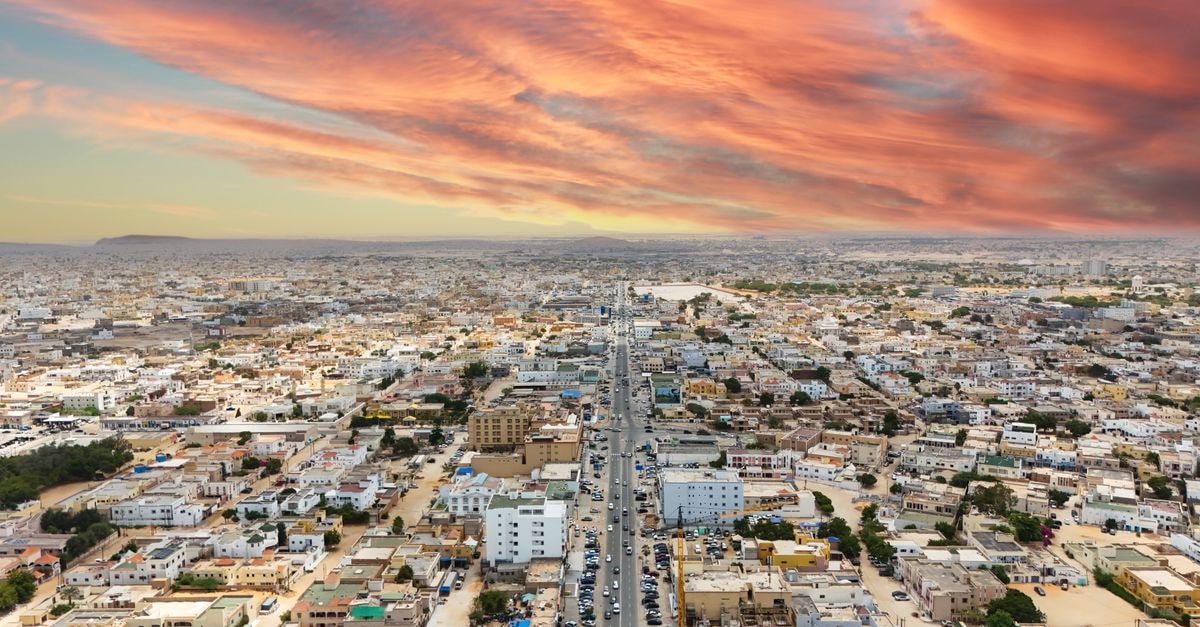
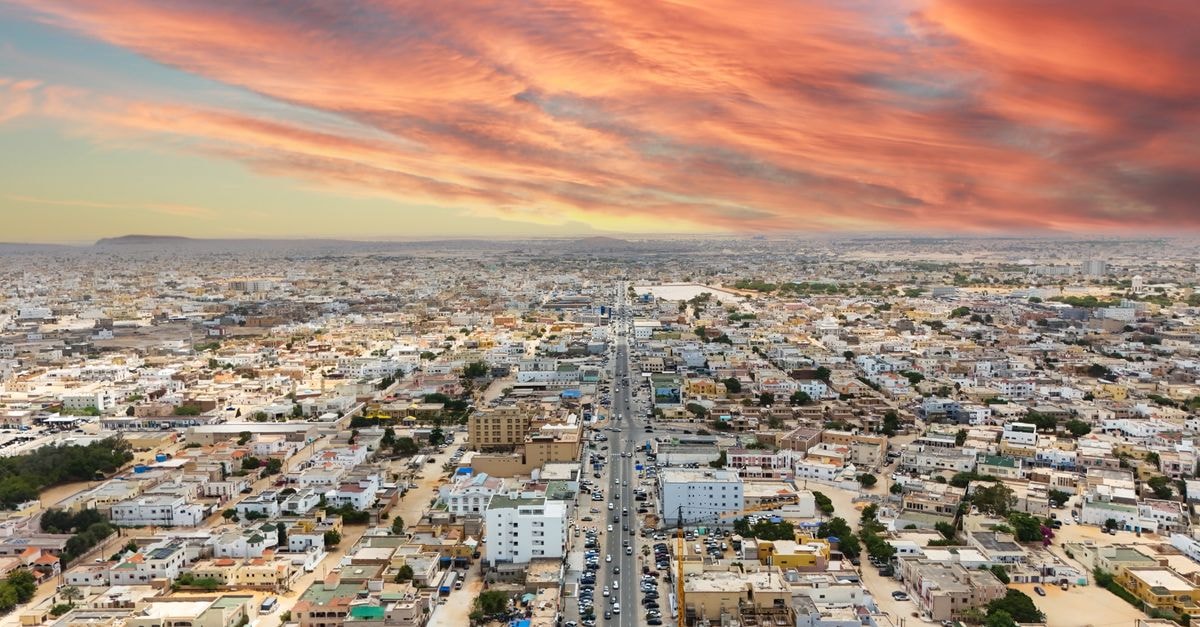
Ha'il sits in the north of Saudi Arabia, in a region where long ridges of sand meet the foothills of the Shammar Mountains. The city is quieter than the kingdom's better-known hubs, and that sense of space is part of its appeal for travelers who like destinations with a slower rhythm. Visitors heading up here are usually drawn by a specific set of reasons, and the practicalities of getting in are refreshingly straightforward.
Getting around
Once you are in Ha'il, the transport picture shifts a little. While there are buses and a train line connecting Ha'il to major cities like Riyadh, local public transportation within Ha'il itself is underdeveloped. In practical terms, this means that the way most visitors experience the city is on foot, by taxi, or by relying on arranged transport rather than hopping between frequent local buses or trams.
This matters for how you plan your days. If you prefer to base yourself in one area and explore at a walking pace, choosing accommodation near the parts of the city you most want to spend time in will save you from depending on ad hoc rides. Travelers who like to drift between neighborhoods and into surrounding landscapes will likely find that arranging a car and driver, or pre-booking transfers through a hotel, is smoother than waiting for a network that does not run as a visitor might expect in a larger capital. The combination of a working long-distance rail link to the south and limited inner-city public transit is something to factor in from the start, not something to discover on your second afternoon.
What Ha'il is known for
Ha'il has a clear identity, and it is worth knowing it before you arrive, because the city's fame does not rest on a dense old quarter or a famous skyline. Instead, it sits at the edge of some of northern Arabia's most striking landscapes and cultural sites, and is itself a place with a layered past.
The three threads that come up consistently when reading about the city are its prehistoric rock art, its historical role as the capital of the Rashidi emirate that rivalled the early Saudi state, and its position as a gateway to dramatic desert scenery. Travelers come to Ha'il primarily to see the prehistoric rock art complexes at Jubbah and Shuwaymis—both inscribed as UNESCO World Heritage properties—and the red sand dunes of the Great Nafud Desert (Al-Nafud Al-Kabir). The rock art at Jubbah in particular is described as containing thousands of prehistoric carvings across Jabal Umm Sanman and Jabal al-Manjor, which gives a sense of just how concentrated the heritage is in this part of the country.
For visitors, this means the city itself often plays a quieter role in the trip than the landscapes and sites around it. Ha'il is known for three things: its Jubbah rock art (a UNESCO World Heritage Site containing thousands of prehistoric carvings across Jabal Umm Sanman and Jabal al-Manjor), its history as the capital of the Rashidi emirate that rivalled the early Saudi state, and its position as the gateway to some of northern Arabia's most dramatic desert landscapes - including the Nefud Desert and the Shammar Mountains. The city is best thought of as a base from which those wider experiences are reached.
Planning your days around the themes
Because the appeal of the region is concentrated in a few very specific things, planning is less about packing in attractions and more about pacing them well. A visit centered on the UNESCO rock art at Jubbah is essentially a focused heritage trip rather than a city-strolling weekend, and that affects how much time you actually want to spend in central Ha'il versus out in the wider region.
The desert element is the second pillar. The red dunes of the Great Nafud are one of the most recognizable landscapes in Saudi Arabia, and travelers drawn to wide-open scenery rather than urban sightseeing will naturally weight their plans toward time in the sands rather than in the city. The Shammar Mountains add a third layer, giving the region a varied topography that goes beyond a single iconic image.
If you are interested in heritage rather than landscapes, you may want to base yourself in Ha'il and treat the city itself as a starting point for understanding the Rashidi emirate, with the wider heritage sites understood as extensions of that history. If you are drawn primarily to desert scenery, the city is best treated as a logistical hub, with comfortable accommodation before and after excursions rather than the main event. Either way, the limited local public transit and the spread of the sights make pre-planning how you will move between them essential, not optional.
A few practical notes
Ha'il is a regional center, so expect fewer dedicated tourist facilities than you would find in Riyadh or Jeddah, and a stronger sense of everyday Saudi life beyond a visitor bubble. Practical details such as the cost of local transport, opening hours for heritage sites, and whether guides can be arranged on arrival are not covered here, because they are best confirmed through official channels or your accommodation closer to the date of travel.
Because travel conditions and regulations can change, please verify transport schedules, entry requirements, and site access with official sources before departure.
Share this article
TOOLS FOR THIS PLAN
Make the Ha'il plan measurable
Choose a tool only when it answers the next question in your trip. Your values stay in the browser, and each tool offers a route back to this planning context.