Where Mountains Meet a Warmer Climate

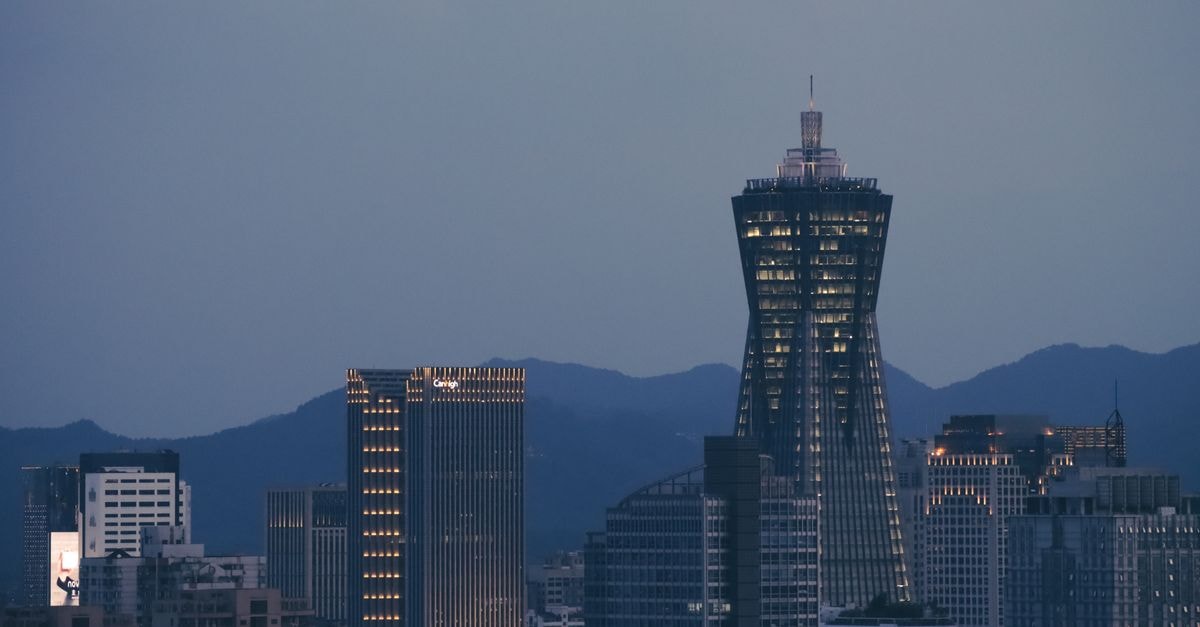
Hanzhong sits in the southwestern corner of Shaanxi province, a quietly significant position that has shaped the city for thousands of years. To the southwest, the province borders Gansu and Sichuan, while to the northeast, Xi'an — Shaanxi's historic capital — lies within reach. This corner-of-the-map location gives Hanzhong a transitional feel, sitting between the cultural heartland of the north and the lush, river-cut landscapes further south.
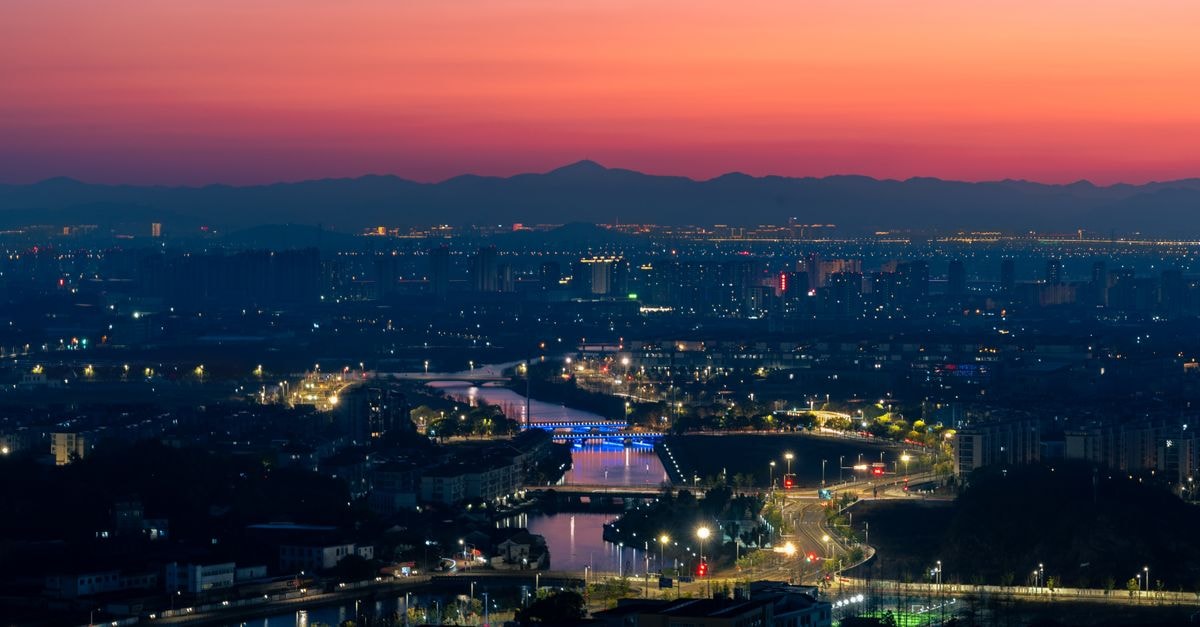
The geography is the city's defining backdrop. Hanzhong rests in a fertile basin with the Qinling Mountains rising to the north and the Daba Mountains to the south. That bowl of lowland between two major ranges gives the area a temperate, humid climate that feels gentler than much of the surrounding Shaanxi plateau. Locals and travelers alike have nicknamed Hanzhong "Little Jiangnan," a reference to the warm-water river regions further east known for their soft landscapes and waterways. The ecosystem has also earned the broader area the affectionate title of the "Little Lower Yangtze of the Northwest." For visitors arriving from the drier, more continental parts of northern China, the shift in greenery and humidity can feel like stepping into a different country.
A City of More Than Four Millennia
Hanzhong is officially recognized as a famous historical and cultural city in China, a designation that reflects a continuous human story stretching back more than 4,000 years. That depth is not just a number on a plaque; it lives in the relationship between the city and its landscape. Generations of residents have looked up at the same Qinling ridgeline, walked the same riverside paths, and built their lives around the basin's natural rhythms.
For travelers, this kind of layered history rewards slow looking. The river valleys and mountain passes around Hanzhong have been strategic crossroads for centuries, and the city has long been a meeting point between northern plains culture and the cultures of the south. Approaching Hanzhong with patience — rather than as a dot on a map between bigger-name destinations — tends to be the way the place reveals itself.
The Shimen Corridor and the Power of the River
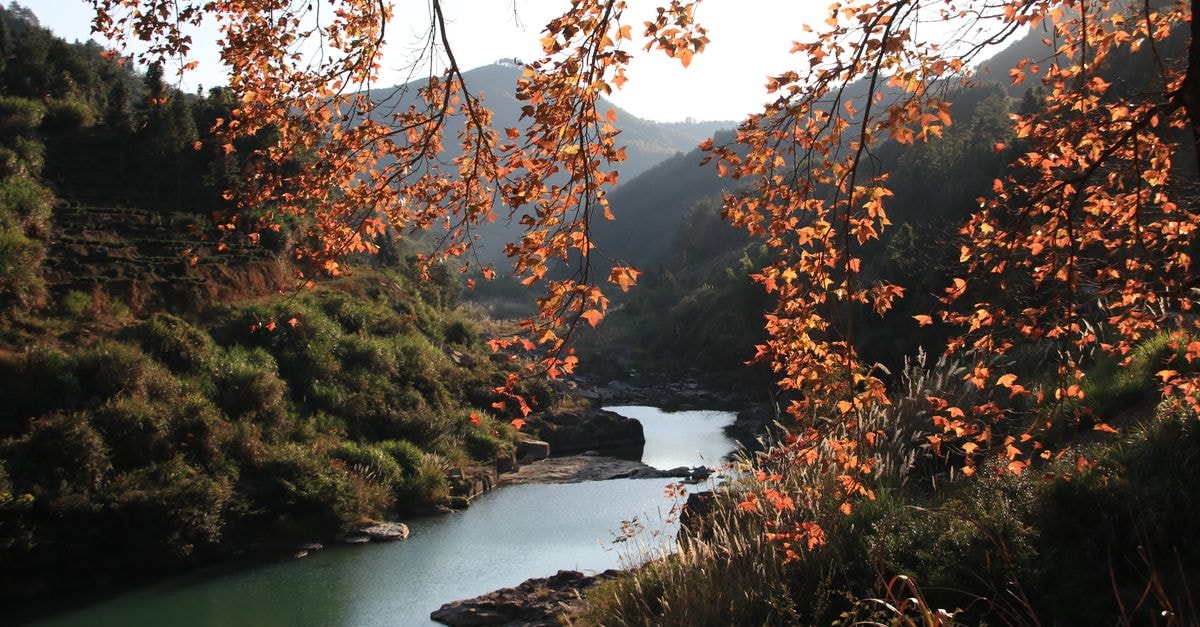
Within Hanzhong itself, one historical corridor stands out for its combination of engineering ambition and riverside scenery: the Shimen area. The Shimen Plank Road, the Shimen Tunnel — historically cited as the first man-made tunnel in the world — and the Shimen Dam together form a single landscape where ancient infrastructure meets a dramatic natural setting. From the dam, visitors can take in a sweeping panorama of the Baohe River and the surrounding riverside scenery, a view that ties together the engineering story and the natural one.
This is a place where the practical and the scenic genuinely overlap. The plank road, the tunnel and the dam each tell a different chapter of how people have worked with — and sometimes against — the local terrain. A visit here tends to linger longer than expected, partly because the river views invite pausing and partly because the layered history encourages a slower pace.
The Geography That Frames Every Day
Because Hanzhong sits in a basin between two major mountain ranges, weather and scenery shift quickly with elevation. The mountains to the north and south shape how clouds gather, how rain falls, and how light moves across the city. The result is a place where the climate feels notably more humid and temperate than the surrounding province, and where the greenness — for a Shaanxi city — is striking.
For travelers, this means a few practical considerations worth keeping in mind. Layered clothing is useful, since river valleys can feel warmer and more sheltered while nearby hillsides can turn cooler and mistier. The humidity can also make the air feel heavier than expected, and the surrounding mountains offer natural shelter from harsher weather. Travelers who pace their days — rather than rushing through a packed schedule — often find that the climate rewards a more leisurely rhythm.
Food Culture You Will Encounter Across China
Hanzhong sits inside a country with one of the world's most varied and beloved culinary traditions. Eating in China is widely understood to be far more than refueling; it is a deeply social act, woven into daily life and long-standing etiquette. Across the country, dining customs have developed over centuries alongside a broader culture of ritual and hospitality, and visitors are likely to encounter that cultural weight in everyday meals.
For travelers, this wider context is useful framing rather than a specific menu. What it means in practice is that sharing dishes, observing how a table is organized, and following local rhythms of tea, conversation and toasting are all part of the experience. China's culinary heritage spans an extraordinary range of regional styles, and Hanzhong's basin position — between north and south, between wheat-growing and rice-growing traditions — means that the food encountered here often reflects that meeting point, even when no single signature dish can be pinned down with certainty.
Planning Notes for a Thoughtful Visit
Hanzhong rewards travelers who treat it as a destination in its own right rather than a waypoint. Its history is deep, its landscape unusually lush for Shaanxi, and its position between two major mountain ranges gives it a climate and atmosphere unlike anywhere else in the province. A few practical habits tend to make visits smoother: allow time to enjoy the river views rather than treating them as photo stops, expect humidity that can make the air feel heavier than expected, and approach meals as a chance to participate in a wider Chinese dining culture that values shared plates and unhurried conversation.
Because transport timetables, ticket prices, attraction opening hours and local services can change, the most reliable step before traveling is to confirm current details through official tourism channels and local information sources. Factual travel conditions — from weather to access — shift over time, and a quick check before departure helps ensure the trip matches what you have planned.
---
*Factual travel conditions can change at any time. Always verify weather forecasts, opening hours, ticket details, transport schedules and local services through official channels before departure.*
Share this article
TOOLS FOR THIS PLAN
Make the Hanzhong plan measurable
Choose a tool only when it answers the next question in your trip. Your values stay in the browser, and each tool offers a route back to this planning context.