City and district background: this article describes the city, rather than a verified lodging property.
A City Shaped by Thirteen Revolutionary Years

Yan'an is a prefecture-level city in the Shaanbei region of Shaanxi province, China, a windswept northern pocket that borders Shanxi to the east and Gansu to the west. Far from being just another dot on the map, the city carries an outsized place in modern Chinese history. The Communist Party of China Central Committee and an entire generation of revolutionaries lived and struggled here for thirteen years, from 1935 to 1948, a stretch that turned a remote loess-highland settlement into the political heart of the rising revolutionary movement.
It is this layered past — caves, meeting halls, mountain pathways — that gives the city its distinctive texture today.
Where the Long March Came to Rest
Yan'an's revolutionary chapter was forged by exhaustion and endurance. In 1935, weary Communist forces staggered into the area at the close of the grueling 6,000-mile Long March, looking for a defensible base from which to regroup. The rugged ridges and earthen cliffs of the Shaanbei plateau offered exactly that: cover, distance from pursuing armies, and room to organize.
That single historical arrival reframed the city forever. What had been a regional administrative center became the command center of the Party's wartime operations, a place where military strategy, propaganda, and governance were all worked out within sight of cave-door doorways.
The Cave Dwellings of Yan'an Middle School
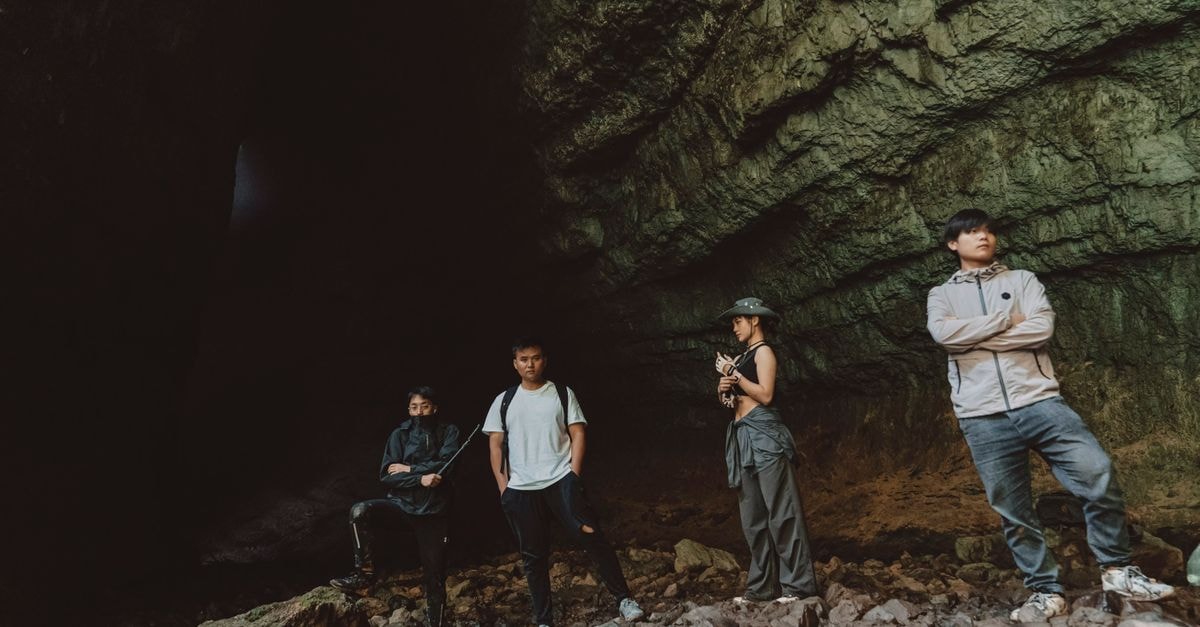
Some of the most evocative surviving traces of that period are not grand monuments at all, but humble rock-cut rooms. The Dixie Mission staff's so-called "cave hotels" remain in today's Yan'an Middle School, and they still draw visitors curious about the wartime alliance between China and the United States. Inside and around these former cave quarters, exhibits show the surprising breadth of cooperation in communications, transportation, intelligence, guerrilla warfare, weather observation, demolition, and weapon development.
Walking through a schoolyard today and finding doorways carved straight into the hillside is a vivid reminder that the city's revolutionary infrastructure was, quite literally, carved into the earth.
A State-Level Museum in Baota District
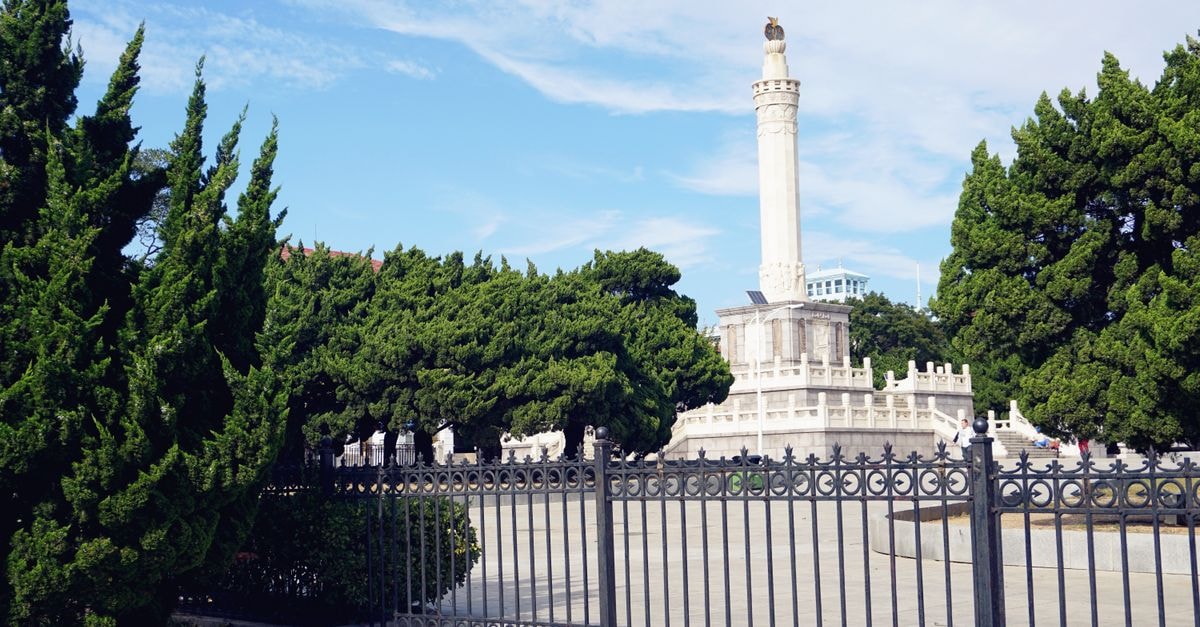
For travelers wanting a more structured introduction to the period, the Yan'an Revolutionary Memorial Hall anchors the experience. The museum is a state-level institution located in the Baota District of Yan'an, Shaanxi Province, and it organizes the story into six thematic sections. Together those sections cover the thirteen-year period between 1935 and 1948, the same years during which the Party Central Committee was based in the city.
The hall functions as the main interpretive gateway to the broader Yan'an historical landscape, pairing objects, photographs, and documents with the geographic context visitors can step out into afterwards.
Why Yan'an Still Matters
Yan'an in northwest China's Shaanxi Province is widely regarded as a city of utmost significance in the history of China's revolution and as the cradle of New China. Today, as geopolitical tensions flare and ideological debates resurface, the city's history offers a striking lens on the roots of modern China's global ambitions. Visiting is less about viewing a static monument and more about reading a landscape that still carries the imprint of the decisions taken within its caves.
Practical Considerations
Yan'an's position in the Shaanbei region places it within reach of both Shanxi and Gansu, making overland connections part of the travel experience. Specific transport schedules, opening hours of the memorial hall, and access details for the cave dwellings at Yan'an Middle School can change, so confirm current information before planning a visit. Yan'an administers several counties, including Zhidan, formerly known as Bao'an, which served as the headquarters of the Chinese Communist Party before the city of Yan'an proper took on that role — a useful detail for travelers piecing together the wider revolutionary trail across northern Shaanxi.
Share this article