Harar at a glance

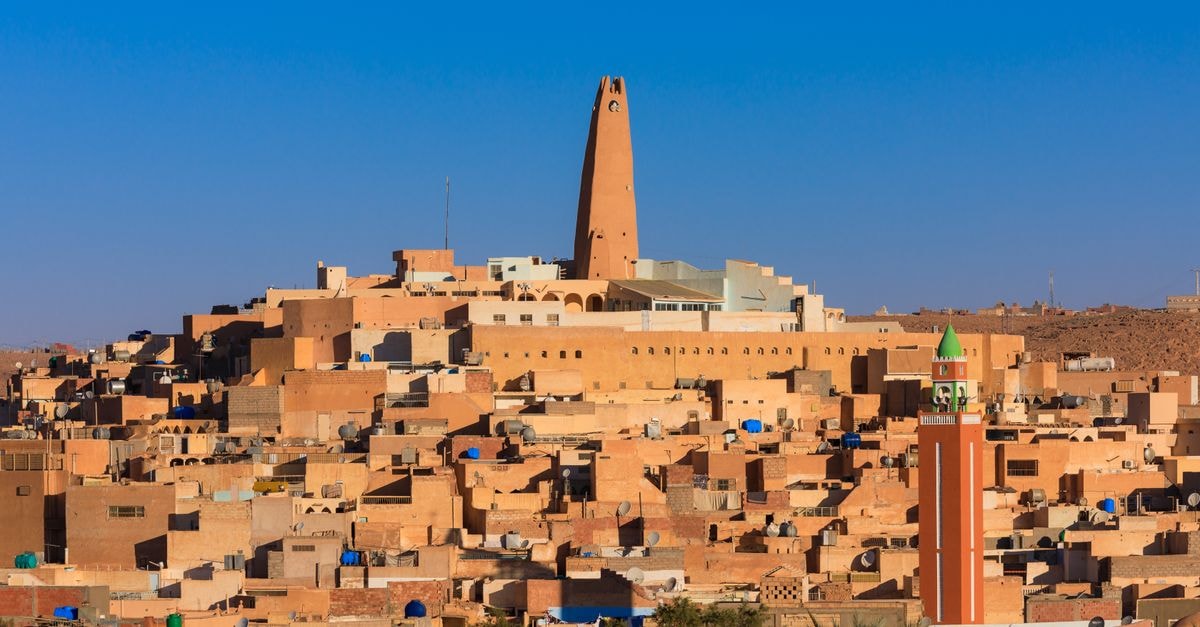
Harar Jugol is a UNESCO World Heritage Site wrapped inside a wall, a place where narrow lanes feel more like a living courtyard than a street grid, and where the pace of a day is set less by a schedule than by curiosity. The old city has been called the fourth holiest city of Islam, and the walls that ring it were built in the sixteenth century, which gives even a casual walk a layered, almost storied quality. Inside the lanes, life tucks itself into doorways and small squares; outside the walls, the newer town spreads out in a more open Ethiopian rhythm.
The thing that makes Harar different from many other heritage towns is how it blends the everyday with the unusual. You can share a cup in a traditional Harari home, watch green beans pop over a small fire during a coffee ceremony, weave through a covered market, and end the evening at one of the strangest little rituals in East Africa: the nightly hyena feeding outside the old walls. That mix of quiet intimacy and wild theatre is what most travellers remember longest.
Weather and seasonal context
Harar sits high enough on the eastern Ethiopian plateau that the air can feel soft and cool rather than tropical, even when the sun is strong on the open lanes. Because the old town is walked almost entirely on foot, light, breathable layers and a pair of comfortable shoes matter more than a heavy coat. A light layer is handy for the early morning and for evenings spent waiting at the hyena site, when the temperature tends to ease.
Practical comforts are worth thinking about before you wander in. Spice dust inside the covered market is known to trigger sneezing fits, so a scarf or buff kept in a daypack can save you a few itchy-eyed minutes. Walking is the only way to see the narrow lanes of the Jugol, and a local guide makes a real difference in helping you avoid getting lost in the maze of alleys, courtyards and hidden stairways. The same applies to the hyena feeding: standing outside the old city walls as the light fades, you wait in the dark until pairs of yellow eyes start appearing, and a local hyena man hand-feeds wild spotted hyenas as a nightly tradition just beyond the wall. Being shown how to stand, where to point a torch, and when to stay still turns a slightly nervous wait into something memorable rather than chaotic.
Pace yourself rather than racing through. Most travellers find that a slow morning in the lanes, a quiet coffee ceremony, an unhurried browse of the market, and an evening at the hyena site makes for a far richer day than trying to tick off every corner. The plateau light is generous, the lanes reward a slower step, and the city tends to unfold best when you let it.
Getting around
The Jugol is a walking town. Streets are too narrow and too tangled for cars, and the joy of Harar is exactly that sense of close-up discovery: doorways that open onto small mosques, coloured facades tucked between blank walls, the smell of coffee drifting from an unseen courtyard. Take a local guide for at least your first long wander; they know the rhythm of the lanes and can point out the details that are easy to miss when you are also watching your footing.
Outside the walls, the modern town opens up and the transport changes. Bajaj, the three-wheeled auto-rickshaws, handle trips around the newer town and out to the bus station. They are easy to hail, cheap by regional standards, and a useful way to bridge the gap between the heritage core and the bus stand if your feet have already done a long day of walking. A short walk from the walls to a main road, then a bajaj onward, is the most natural way to move.
If you are arriving from further afield, it helps to think of Harar as a slow destination rather than a transit stop. Most itineraries that frame Harar as part of a wider Ethiopian journey give it a generous window of time, and the city rewards that patience. Plan to arrive with enough daylight to settle in, then build the next day around a long walk in the Jugol and an evening at the hyena site. Anything tighter tends to feel rushed.
What a slow day looks like
Although this guide avoids prescribing exact timings, a loose shape helps you visualise the city. Mornings in the Jugol are gentle: low light, quiet lanes, the smell of bread and coffee in the air. A local guide can lead you through the alleys, past small mosques and traditional Harari homes, and into a coffee ceremony where you squat on low stools while your host roasts green beans until they pop. It is unhurried and participatory rather than performative.
Late morning into early afternoon is a good window for the covered market. Go slowly, expect strong smells, and remember that spice dust can trigger sneezing fits. If you have a scarf, this is the moment for it. Midday heat is a reasonable excuse to break for a drink or a shaded sit-down, especially if you have been walking since dawn.
Late afternoon is for a final loop through the lanes you liked most, then a stop for something simple to eat before you make your way outside the old city walls as the light fades. There, you stand in the dark with other visitors and locals until pairs of yellow eyes start appearing, and the hyena man hand-feeds wild spotted hyenas as part of a nightly tradition that has continued for generations. It feels strange, then unforgettable.
A few practical notes
- Comfortable walking shoes are non-negotiable inside the Jugol, where lanes are uneven and occasionally stepped. - A local guide is the single most valuable addition to your day, both for orientation and for the cultural context that turns a walk into a story.
A note on accuracy
Travel conditions, transport availability and local practices in Harar can change over time. Treat this guide as a starting point shaped by the approved sources available to us, and confirm any specific detail that affects bookings, transport or entry through official channels before you travel. Local guides on the ground are usually the most current source of practical information once you arrive.
*Factual travel conditions can change; always verify details through official channels before departure.*
Share this article
TOOLS FOR THIS PLAN
Make the Harar plan measurable
Choose a tool only when it answers the next question in your trip. Your values stay in the browser, and each tool offers a route back to this planning context.