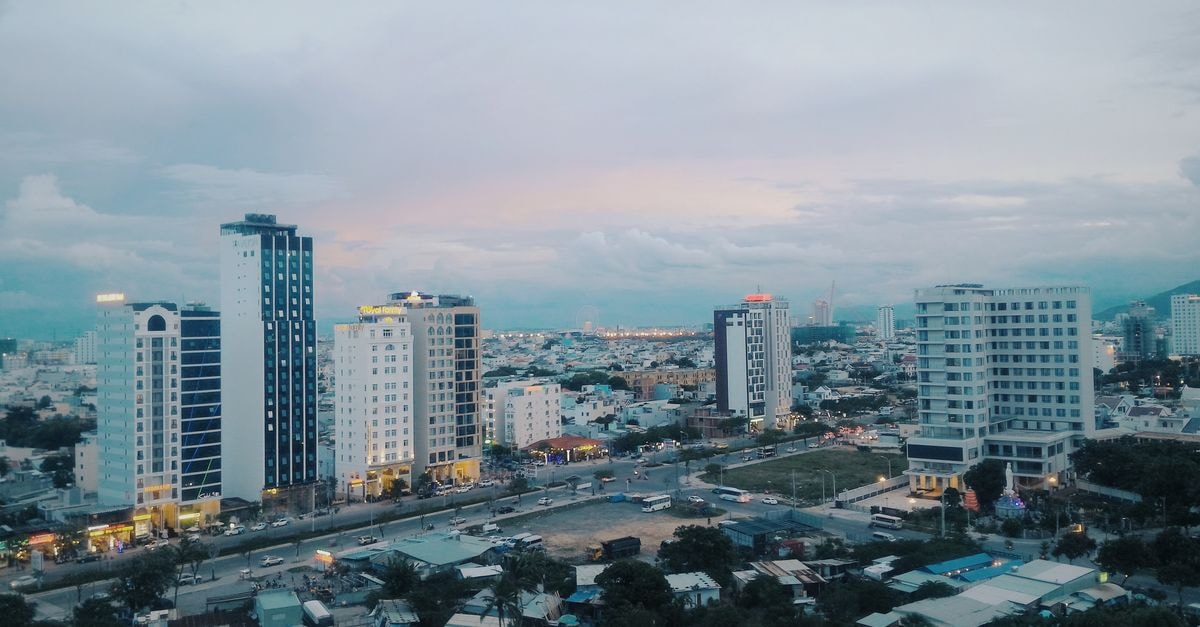
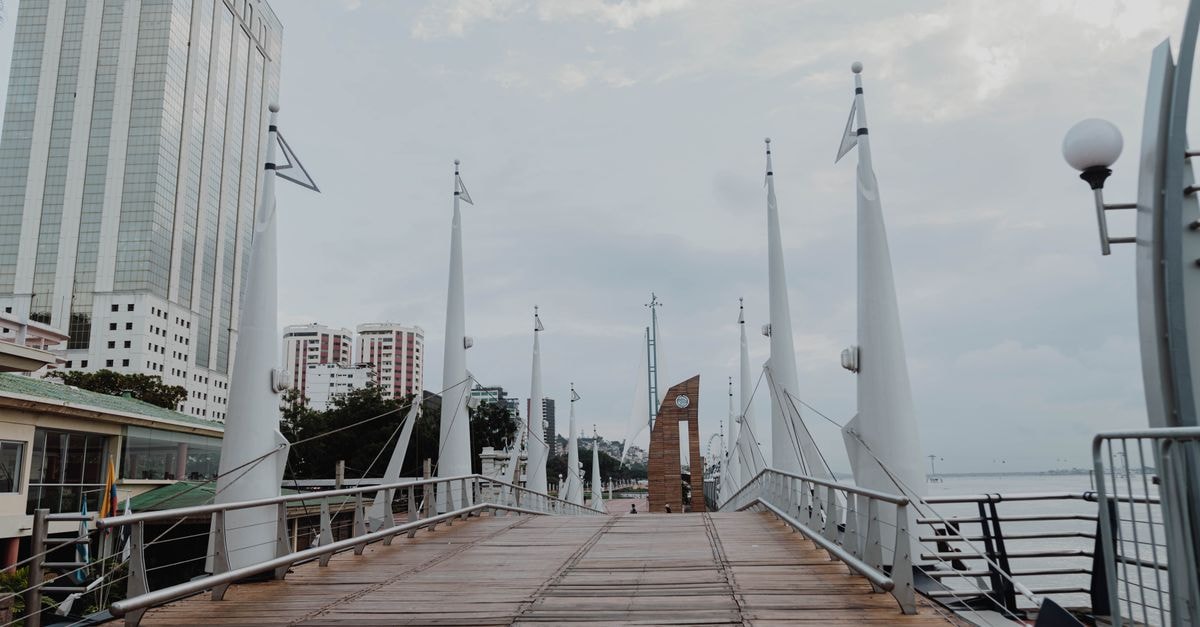
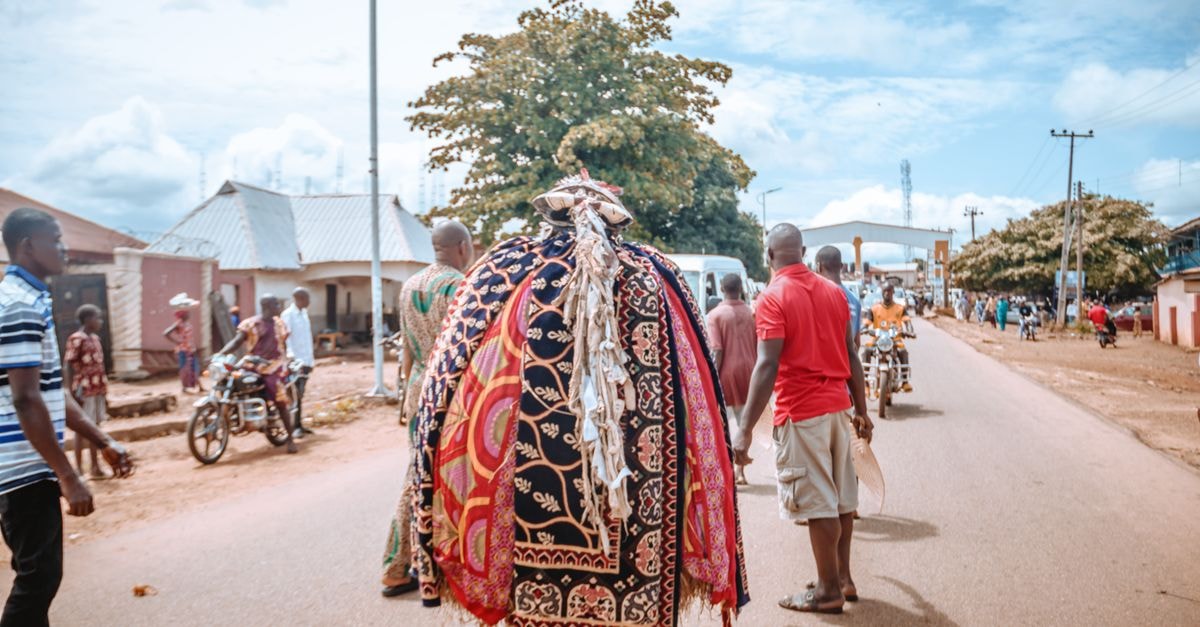
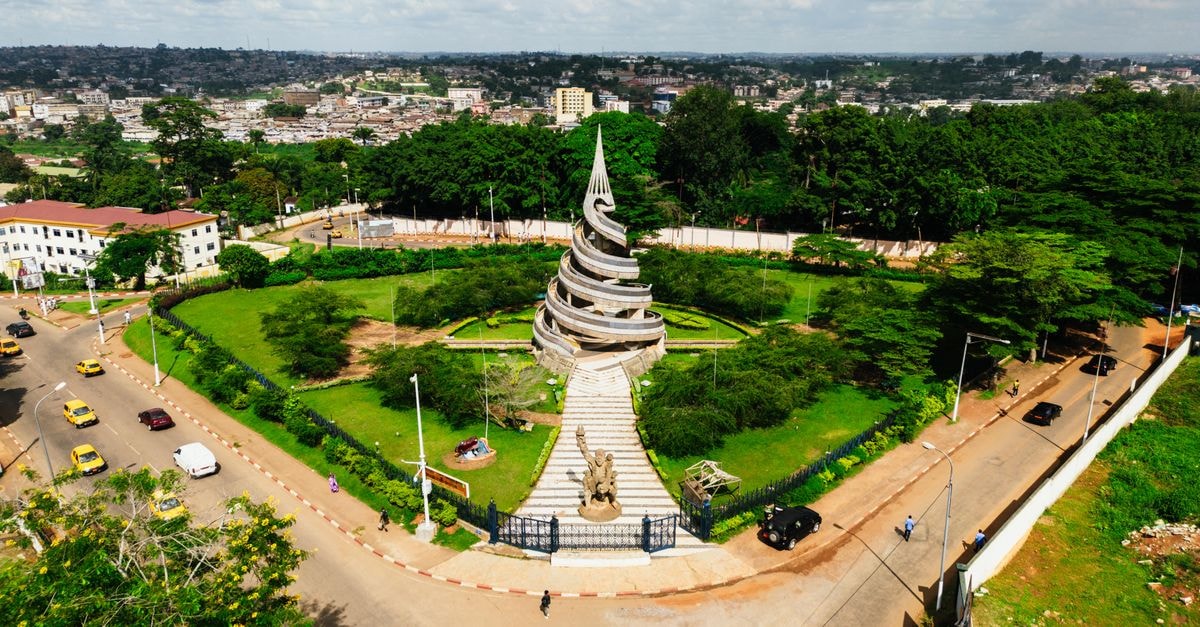
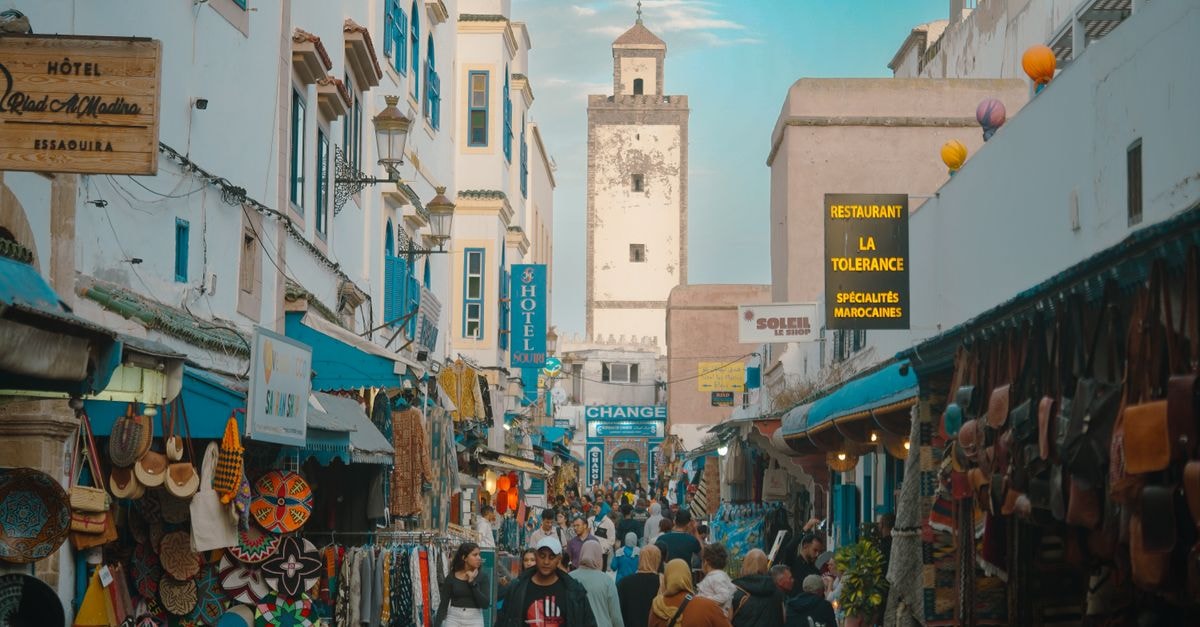
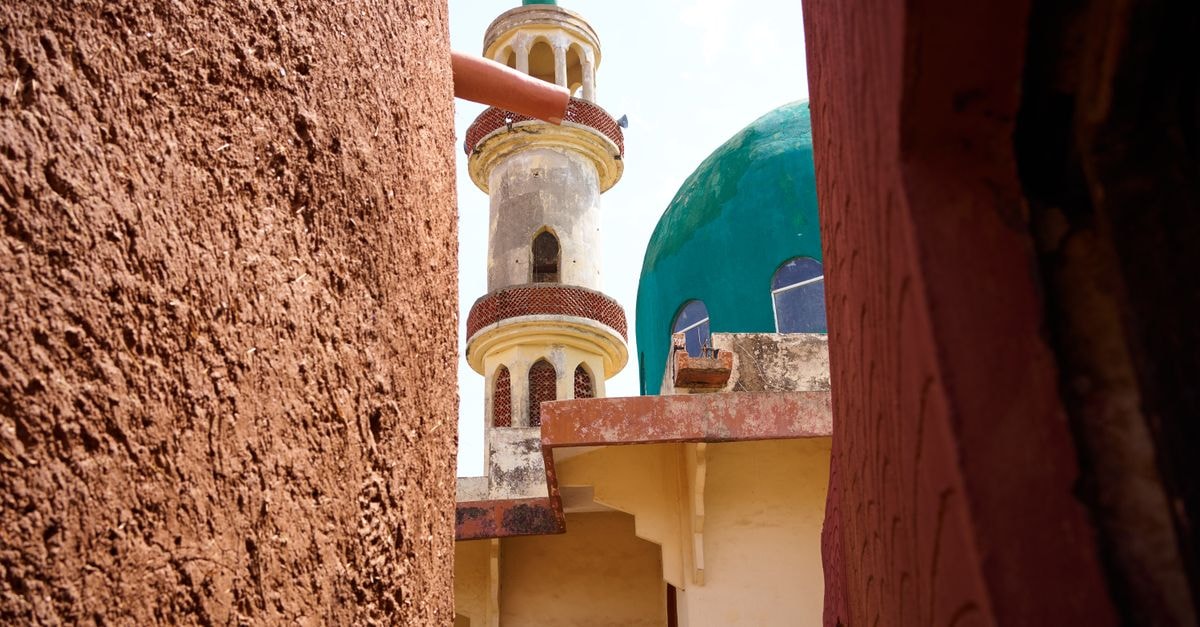
Tucked into the rolling hills of southwestern Nigeria, Ikare (also known as Ikare-Akoko) is a lively city in Ondo State that often surprises first-time visitors with its scenery and its pace. Set at roughly 455 meters above sea level, it gathers the energy of an administrative and economic hub for the Akoko North-East region while keeping the look and feel of a place shaped by its landscape. The hills that frame the town give it a softer, greener character than many lowland cities in the region, and the rhythm of daily life tends to unfold at an unhurried tempo that rewards travelers who like to slow down.

Weather and seasonal context
Ikare sits among picturesque hills at an altitude of about 455 meters above sea level, and that elevation quietly shapes how the city feels throughout the year. Because the hills lift the city above the surrounding plains, mornings and evenings can feel a touch cooler than visitors might expect for this part of southwestern Nigeria, especially during the cooler stretches of the year.
The city's climate follows the wider pattern of the region, with a dry season running roughly from November through March. During those months, the harmattan wind moves in from the Sahara Desert, bringing dry, dusty conditions and noticeably cooler mornings, especially in December and January. Travelers who are sensitive to dust or who prefer gentler temperatures often appreciate these months, though the haze can soften visibility across the hills.
The rest of the year tends to be wetter, with greener landscapes and the kind of afternoon showers that are common across this part of Nigeria. Because the city is built into a hilly setting, those rain spells can make slopes feel slick, so pacing the day a little differently and keeping an eye on the sky can make exploring more comfortable. Long-term climate patterns here, rather than any single day's forecast, are what give Ikare its rhythm.
Getting around
Ikare is laid out around its hills and its role as a regional center, so moving through it tends to feel straightforward once you settle in. A useful detail for travelers who want to explore on foot is that the hilly terrain means some routes are easier than others, and a local guide can be a practical companion.
According to local guidance, there is no entrance fee for many of the areas visitors come to see, but a local guide can be hired for about 2,000 naira to show you the safest path. That kind of guided walk can be especially helpful if you are unfamiliar with the hill paths or want to make sure you are taking the most comfortable route between points of interest. For travelers who prefer a steadier pace or who want to better understand the lay of the land, having someone who knows the terrain can turn a simple walk into a more confident outing.
Beyond the hills themselves, Ikare's role as an administrative and economic center for the Akoko North-East region means it has the everyday transport connections you would expect from a city of its size. The pattern of movement here tends to be informal and conversational, with shared rides and local drivers forming the backbone of getting from one neighborhood to the next. Arriving with patience and a willingness to ask locally tends to serve visitors well.
Food and local context
Nigerian food culture, more broadly, gives visitors a useful frame for what they may encounter while spending time in Ikare. Eating customs in Nigeria are often centered around communal meals, with food served from large dishes and eaten with the hands. That shared style of dining is something visitors are likely to come across in social and family settings across the country, and it can be a warm way to experience everyday life rather than something to observe from a distance.
If you prefer to keep your hands clean at the table, simply washing before and after a meal is the usual approach, and going with the flow of a shared dish is generally appreciated. Travelers who are interested in Nigerian cuisine will find that the wider country's food culture is built around hearty, often starchy staples paired with richly seasoned sauces and soups, and that this style of eating shows up in many social gatherings. Because the evidence here describes Nigerian food customs at a country level, it is best read as background context for what visitors may encounter while in Ikare rather than as a specific city menu or market.
Choosing what fits your trip
Ikare's strongest draws are its hill-country setting, the cooler feel that elevation brings, and the local guides who can shape a more confident visit. Travelers who enjoy scenic landscapes, slower mornings, and conversation-driven exploration may find the dry season months particularly comfortable, while those who like lush, green surroundings may prefer other times of year and should simply plan around the rain. If getting the most out of the hills matters to you, budgeting for a local guide and a flexible pace can make the difference between a rushed look and a proper outing.
A practical note before you go: prices, transport options, and weather patterns can shift over time, so it is worth checking current conditions through official channels and recent local sources before your trip. Currency rates for the naira also move, so treat any reference figures as a guide rather than a fixed amount and confirm the live rate before exchanging money.
Share this article
TOOLS FOR THIS PLAN
Make the Ikare plan measurable
Choose a tool only when it answers the next question in your trip. Your values stay in the browser, and each tool offers a route back to this planning context.