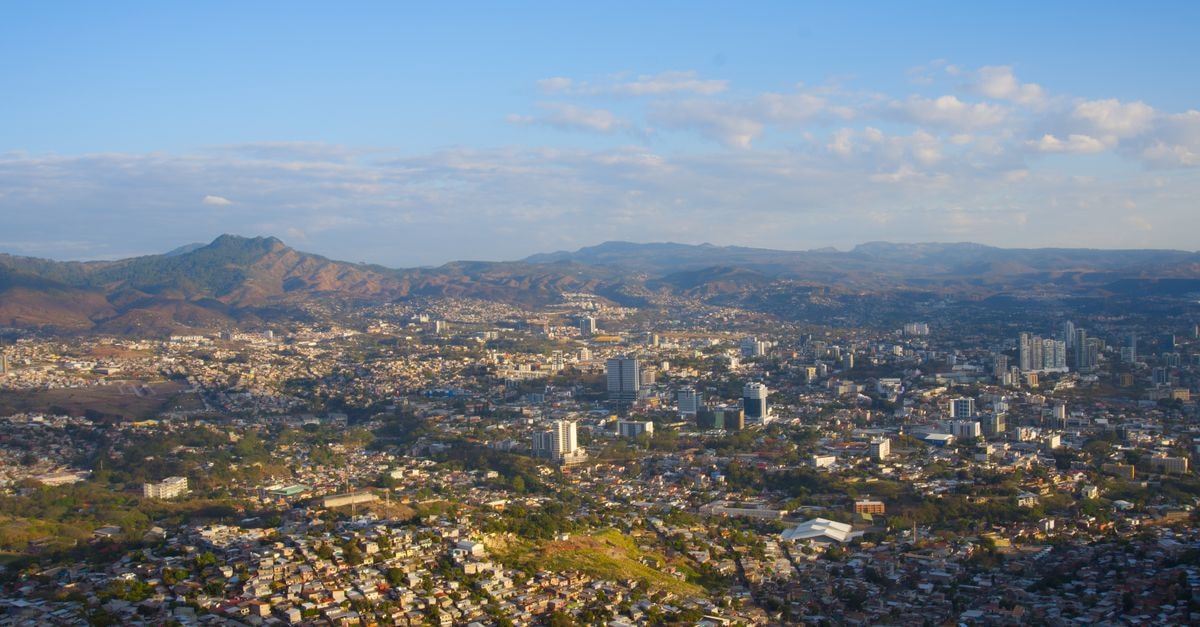
A first look at Havana

Havana is a city where every street corner seems to fold time back a little. Colonial balconies, weathered façades, and the slow rhythm of daily life invite travelers to slow down and look around. There is a particular pleasure in letting the city reveal itself through small moments: a conversation overheard on a plaza, the sound of a bell tower across the rooftops, or the salty breeze drifting in from the bay.
This guide keeps things simple and grounded, focusing on what the approved evidence actually supports. It is written for independent travelers who want a reliable starting point for Havana, with a few useful themes to organize the visit rather than a strict day-by-day plan. If a detail would require live confirmation before acting on it, it is left out here.
Attractions and planning
Havana's attractions are deeply tied to its history, and a thoughtful way to approach them is to let that thread run through the day. Two anchor stops help frame the story of the city, and both pair naturally with the covered-route idea above.
The Museum of the Revolution is pivotal to understanding Cuba's history. Set aside unhurried time for it; the exhibits reward attention, and the building itself is part of the experience. It is the kind of place that benefits from a slow walk-through rather than a quick glance.
For a contrasting experience with sea air and big horizons, Castillo del Morro is a historic fortress guarding the entrance to Havana Bay. The location gives visitors sweeping views across the water and a tangible sense of why Havana grew into such an important port. Bring a camera, give yourself room to wander the ramparts, and let the setting do some of the storytelling.
A loose approach works well here. Rather than racing between stops, travelers often enjoy combining these sights with the indoor heritage route mentioned earlier, slipping between museum halls and fortress lookouts as energy and weather allow. The two experiences complement each other: one reads Cuba's recent chapters, the other reaches back to the colonial era when the bay itself was the prize the city was built to defend.
It is worth checking current opening hours and admission details on official channels before visiting, since these can shift. Treat any logistics that are not part of the core facts here as items to confirm on the day.
Practical notes for the visit
A few small habits tend to make time in Havana smoother. Carry small amounts of cash for everyday purchases, since card acceptance can be uneven in independent spots. Keep a printed or offline copy of any reservation details, and leave watches and phones a little less visible than at home.
It also helps to build some slack into the day. Distances in the historic core are short, but the heat, the breeze, and the urge to stop for a coffee can stretch any plan in the best possible way. Rather than fight that, lean into it.
Share this article
TOOLS FOR THIS PLAN
Make the Havana plan measurable
Choose a tool only when it answers the next question in your trip. Your values stay in the browser, and each tool offers a route back to this planning context.