A capital with its own pace

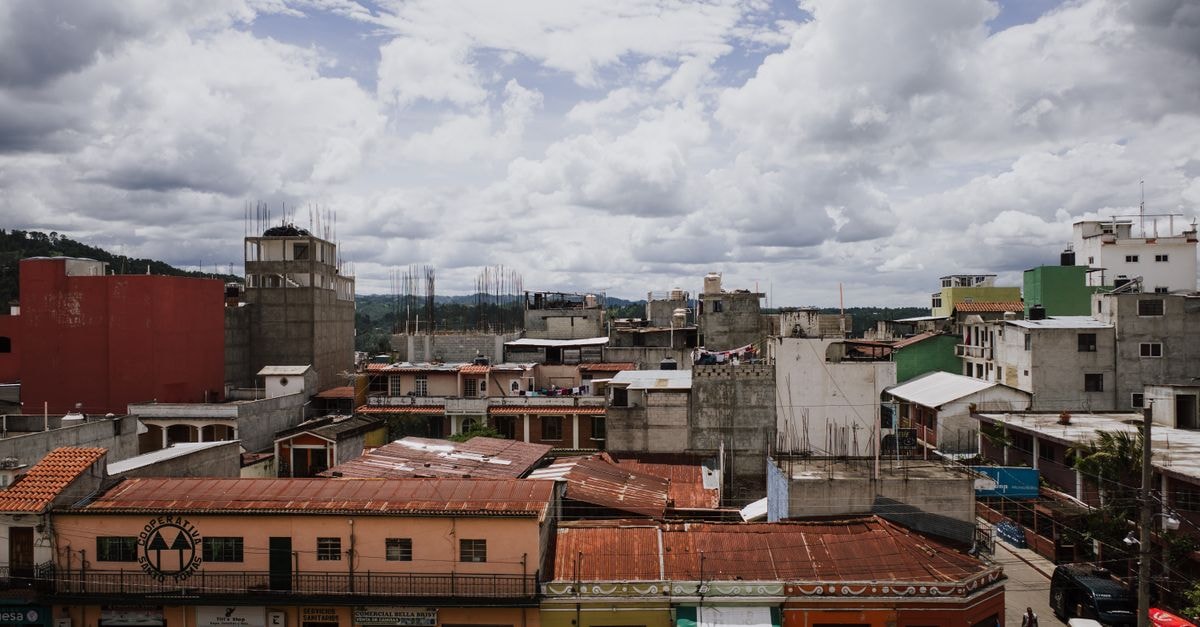
Tegucigalpa sits high in the hills of central Honduras as the country's capital and largest city, a place that rarely behaves like the bustling capitals travelers may picture elsewhere (F2-1). Set among the mountain terrain of Francisco Morazán, it carries four centuries of history rooted in an old mining center that still reveals its depth to visitors willing to slow down and look a little further (F2-2). The pronunciation can trip people up at first — locals pronounce it "Te-goo-si-gal-pa" — so taking a moment to learn that one small detail is a friendly way to show respect from the moment you arrive (F1-1).
Despite its size, Tegucigalpa is often a city travelers approach with caution, partly because of stories they have heard about Central American capitals (F1-2). Those concerns are worth keeping in perspective: like any capital, it rewards common sense and a slower approach more than a checklist mentality. Treated with curiosity rather than rush, it offers a different, more human-scale side of Honduras.
Weather and seasonal context
Tegucigalpa's climate rewards a flexible mindset. Conditions tend to be warm, and rain is part of the city's natural rhythm, often arriving in heavy bursts rather than long drizzles (F4-1, F4-2). Travelers used to predictably dry afternoons should be ready for days where sunshine and showers trade places, sometimes within a few hours. A light rain layer, shoes that can handle a sudden downpour, and a flexible daily plan tend to be more useful than a rigid schedule built around outdoor activities only.
Because the rain tends to come in concentrated bursts rather than steady precipitation, the city remains walkable for much of the day. Mornings often feel softer and more settled, while the late afternoon can turn quickly, so pacing excursions earlier in the day can be a gentle way to stay comfortable. The warmth is consistent, and finding shaded cafés, covered galleries, or breezy viewpoints is part of how locals navigate the climate, a rhythm visitors can adopt easily.
Getting around
Tegucigalpa's layout reflects its history as a long-established mining center that grew across hilly terrain rather than being planned around a single grid (F2-2). That geography shapes how people move. Roads wind through the surrounding highlands, and distances that look short on a map can take longer than expected on foot. Many travelers find that combining short walks with local transport options keeps the day relaxed rather than tiring.
Allowing extra time for transitions between neighborhoods is a small habit that makes the city feel friendlier. Because the terrain can be demanding, rest stops — a café with a view, a shaded plaza, or a museum bench — fit naturally into a day of moving through the city. The reward for this slower approach is a better sense of the layered, four-century-old character that gives the city its particular feel (F2-2).
Attractions and planning
Tegucigalpa rewards travelers who plan around atmosphere rather than a packed schedule. The city's appeal is less about ticking off headline sights and more about absorbing a place shaped by centuries of history (F2-2). Walking through central areas reveals colonial-era touches, civic spaces, and everyday life that often go unnoticed when rushing between checkpoints.
A useful approach is to balance one or two anchor points with time to wander. Many travelers find that historical landmarks, plazas, and markets reveal more on a second or third visit because the city's depth is gradual rather than immediate (F2-2). Even simple gestures — pronouncing the name correctly, pausing to watch daily routines, choosing a slower lunch — change how the city feels.
Visitors who have heard concerns about safety in Central American capitals should hold those impressions lightly (F1-2). As in any major capital, awareness and common sense go a long way, but the lived experience of the city is often calmer and more welcoming than its reputation suggests. Pairing ordinary precautions with an open mind usually leads to a more rewarding stay than guardedness alone.
A few practical notes for first-time visitors
A short, friendly conversation about pronunciation goes a long way, so practicing "Te-goo-si-gal-pa" before arrival is an easy win (F1-1). Because rain often arrives in heavy bursts (F4-2), a compact rain layer and quick-dry clothing make transitions between indoor and outdoor moments smoother. Building the day around the warmest, most settled hours and saving heavier exploration for shaded or covered places keeps energy up.
Treating Tegucigalpa as a place to experience over time, rather than to conquer in a single sweep, opens up the kind of discovery that gives the city its lasting impression (F2-2). The capital rewards travelers who arrive curious and stay flexible.
---
*Travel conditions can change, so verifying details with official sources and local advisories before departure is always wise. The guidance above reflects the scope of the evidence available and is meant to support thoughtful planning rather than replace up-to-date research.*
Share this article
TOOLS FOR THIS PLAN
Make the Tegucigalpa plan measurable
Choose a tool only when it answers the next question in your trip. Your values stay in the browser, and each tool offers a route back to this planning context.