Where the City Opens Up
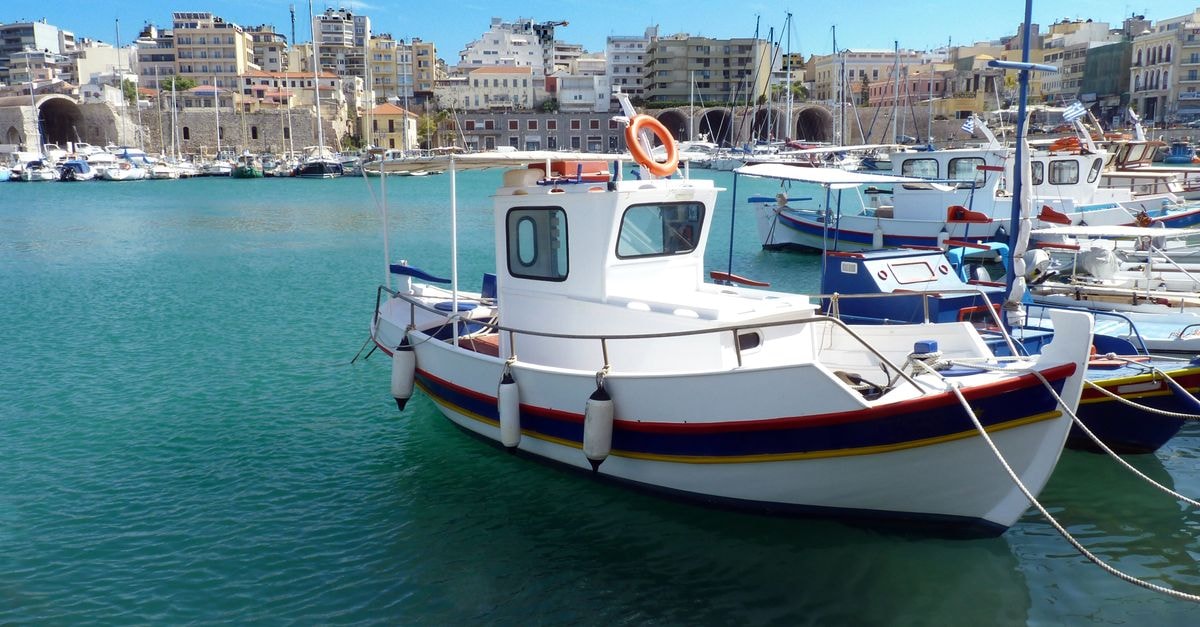
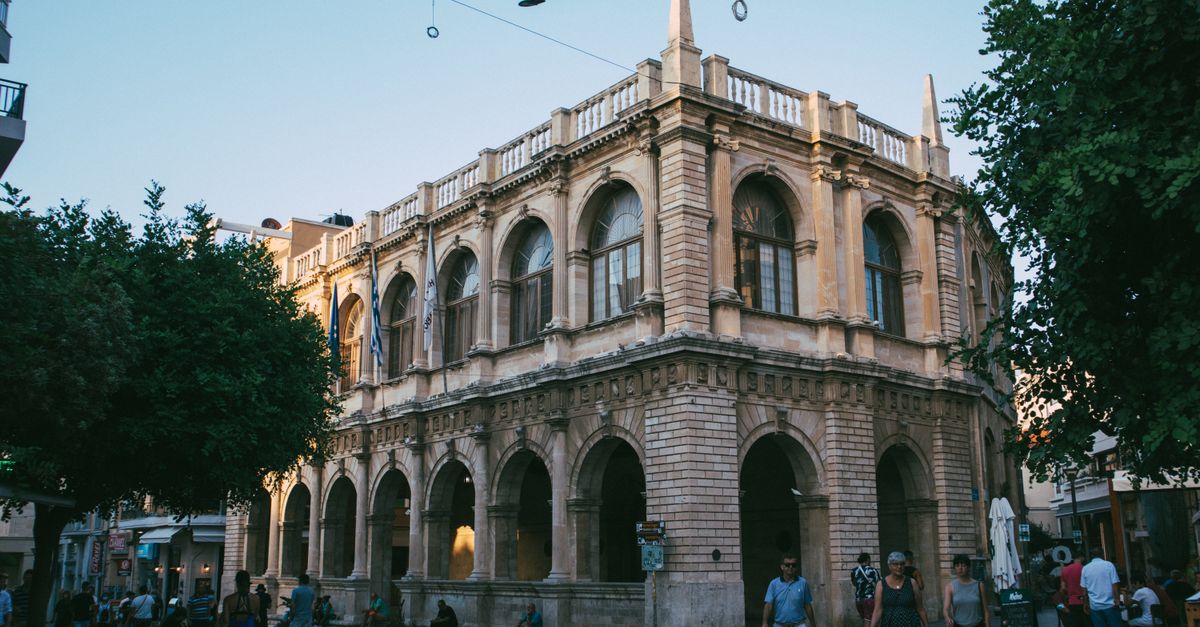
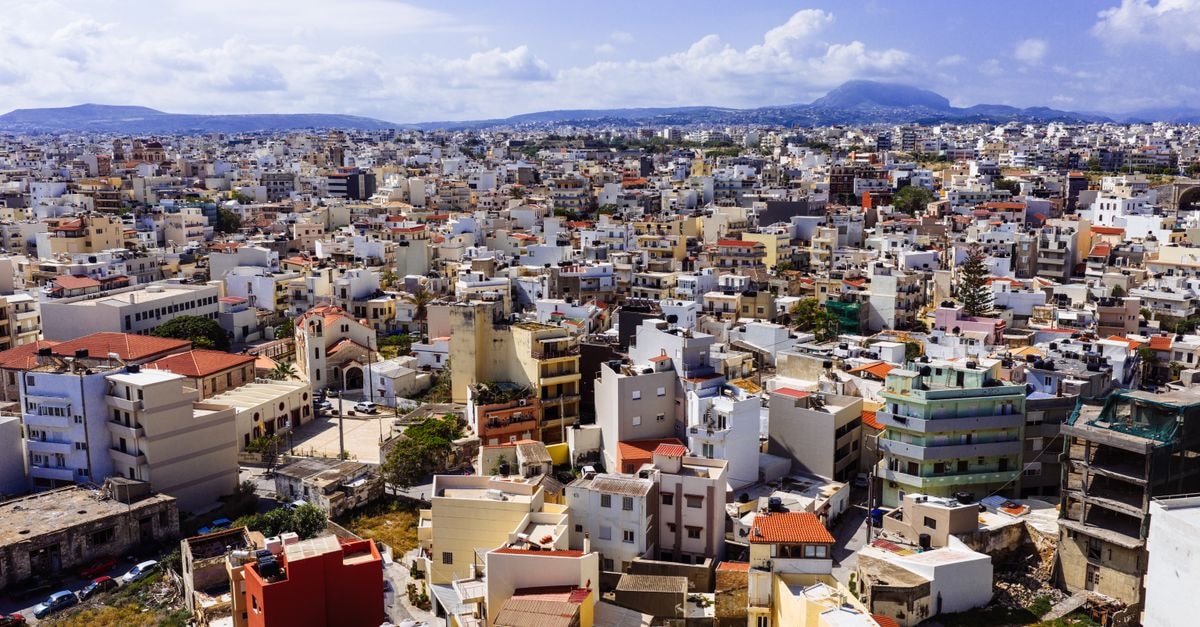
Heraklion does not try to dazzle you on arrival. It is a working Cretan port city with a layered old town, a fortress harbor and a long archaeological story that pulls visitors inland to Knossos. The mood of a stay here shifts with the season, and understanding that rhythm helps shape a calm, well-paced trip.
The high-summer months arrive hot and crowded, with the open-air archaeological site of Knossos exposed and largely shadeless by the middle of the day, when accommodation also reaches its peak pricing. That is the period when the city feels most like a transit hub and least like a place to linger. Winter, by contrast, is mild and noticeably quieter, though flights thin out and some coastal trips close, so a winter visit tends to settle naturally into a museum-and-old-town rhythm rather than a beach schedule.
These two extremes are useful bookends even if you are travelling in a shoulder period. They tell you what kind of trip Heraklion is best at: either a slow, history-led city break with side visits to ancient sites, or a quieter pause between islands.
Getting Around and Planning the Pace of the Day
Because Knossos is exposed and shadeless by midday in high summer, visitors who want a more comfortable experience at the site may prefer an earlier or later hour, with the middle of the day spent in the old town, in the Archaeological Museum, or simply over a long lunch. That single adjustment tends to shape the whole day, because the bus ride out to the site is short, but standing on open ground under a Cretan sun is not.
The other side of the same coin is that winter is mild and quiet, which means a winter stay is comfortable for walking the old town walls, the harbor road and the lanes around the Morosini Fountain without the summer crush, though visitors should expect that some coastal trips close for the season and flight frequencies are reduced. Travellers who prefer fewer queues at major sites and a museum-and-old-town break rather than a beach trip may find winter a genuinely calm way to experience the city.
If you prefer a quieter visit with fewer queues at major sites and lower accommodation costs, the cooler end of the year may suit you; if your priority is maximum flight availability and warmer evenings along the harbor, plan around the busier months but build shade and siestas into the day.
Food and Local Context
The country is broadly known for its Mediterranean cooking, and visitors to Heraklion will encounter this same national style expressed through local Cretan food culture rather than through a separate, named city cuisine. The honest way to approach food here is to walk into small, busy places, order what is being cooked that day, and let the rhythm of the kitchen set the pace of the afternoon, since Greek food is often best understood through its markets, street stalls and family-run restaurants.
For travellers who enjoy exploring a city through its markets and tavernas, Heraklion rewards the same instinct; for visitors who mainly want efficient sit-down meals near major sights, the central old town has enough variety that this approach also works without much effort.
Choosing What Fits Your Visit
The same city can feel very different depending on when you come and what you want from it. A summer visit offers the fullest flight schedule and the warmest sea, but pairs that with hot, shadeless open-air sites and peak accommodation pricing, so it tends to suit travellers who want to anchor their trip around beach time and accept the heat and the crowds as part of that trade.
A winter visit is mild and quiet, with thinner flights and some closed coastal services, which makes it a strong fit for visitors who would rather spend their days in the Archaeological Museum and the old town than on a boat, and who appreciate lower prices and a slower street life. If your ideal Greek trip is a mix of points rather than a mix of points strictly one way, consider matching the season to the dominant activity, and let the rest of the day fall into place around it.
A Note on Verifying the Details
Travel conditions shift, especially around flight frequencies, museum timetables and some coastal trips that close in the off-season. Before travelling, check the latest schedules with your airline, the relevant ferry operator and the official site or museum you plan to visit, so the practical side of the trip matches what this guide has described.
Details such as specific costs, opening hours, ticket prices and exchange rates are only a reference and can change at short notice, so confirm them close to your departure date through official channels. Treat this guide as a framework for the shape of a Heraklion stay, and let current information from local operators fill in the precise numbers.
*Factual travel conditions can change. Always verify with official channels before departure.*
Share this article
TOOLS FOR THIS PLAN
Make the Heraklion plan measurable
Choose a tool only when it answers the next question in your trip. Your values stay in the browser, and each tool offers a route back to this planning context.