Overview

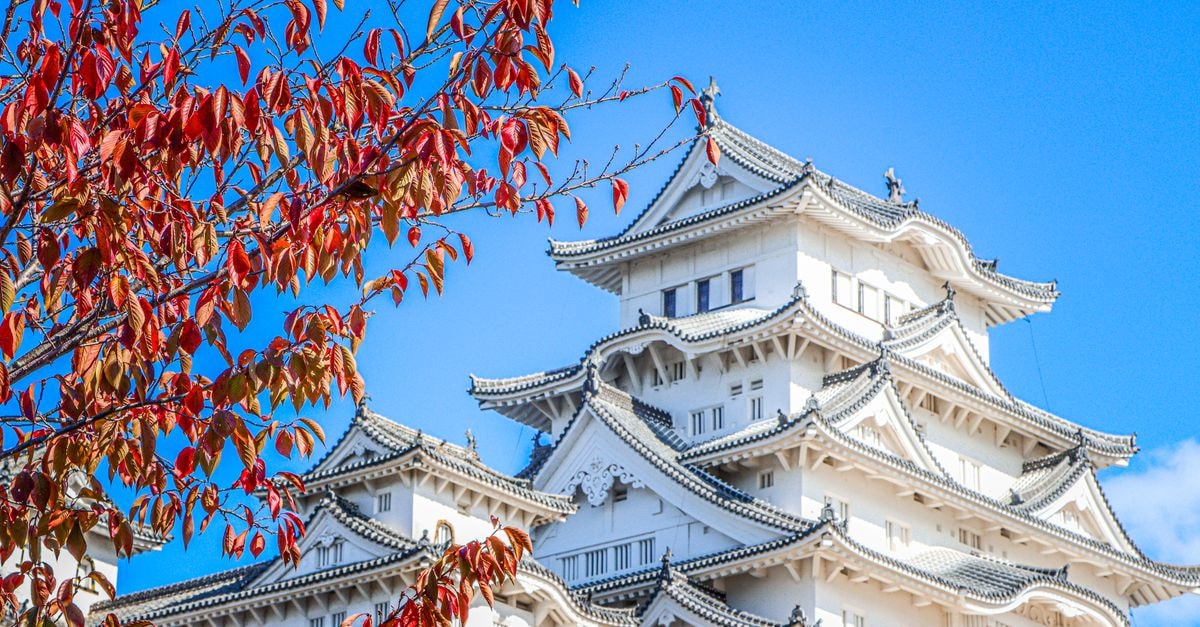
Himeji sits in Hyogo Prefecture in western Kansai. The city's identity centers on Himeji Castle (Himeji-jo), often called Japan's top castle and nicknamed the "Egret Castle" (Shirasagi-jo) for its white plastered walls. The original complex survived the World War II bombing of Himeji when much of the surrounding city was destroyed, and the site remains the city's defining landmark. Pair the castle with the adjoining Koko-en gardens, walk to nearby shrines such as Kasuga or Nagakabe Shrine, and connect onward by Shinkansen to Kyoto or other Kansai cities. This guide focuses on practical planning for an independent stop in Himeji.
Getting There and Around
Himeji is well connected by Shinkansen. From JR Kyoto Station, the Shinkansen reaches Himeji in roughly 60 minutes; from JR Shin-Osaka, the same line takes about 45 minutes. Direct Shinkansen service from these and other Kansai cities makes Himeji straightforward to combine with Kyoto or Osaka in a single itinerary.
Within the city, walking covers most central sights. From JR Himeji Station, the castle is roughly a 15-minute walk; local buses run to the Otemon gate area for travelers who prefer not to walk. There is no dedicated on-site parking for Himeji Castle, though paid municipal lots operate nearby.
Himeji Castle and Koko-en
Himeji-jo's main keep anchors a sprawling complex of roughly 83 buildings, including smaller towers and gatehouse rooflines connected across multiple levels, built using Edo-period construction techniques. The brilliant white exterior has made the castle a frequent filming location for Japanese period dramas and films. The keep sits at the heart of the city and serves as Himeji's main symbol, visible from a distance as visitors exit the train station.
Just outside the castle precinct, Koko-en is a landscaped garden that pairs naturally with the castle visit. Within Koko-en, the restaurant Kassuiken serves a regional specialty — a grilled conger eel (anago) bento on rice — for around 1,500 yen, traditionally eaten while overlooking the garden water. Confirm current menu items and price on site, as offerings can shift.
Tickets and Combined Passes
Admission at the gate is simple to organize on arrival:
- Adult: 400 yen - Children aged 5 through middle school: 100 yen - Group discounts: 30+ people (10% off), 100+ (20% off), 300+ (30% off)
For visitors pairing the castle with Koko-en or the city museum and art gallery, joint tickets reduce the total cost:
- Castle + Koko-en combo: adult 720 yen, elementary and middle school students 280 yen - Castle + museum + art gallery combo: adult 800 yen, high school and university students 720 yen
Categories, prices, and group thresholds can change; verify the latest details through official channels before traveling.
Where to Stay
Hotel Nikko Himeji is positioned roughly 200 m from JR Himeji Station — about a 3-minute walk — placing it between the station and the castle grounds. The property offers a 24-hour front desk, luggage storage, free Wi-Fi, an on-site restaurant, and paid parking on a first-come, first-served basis. Check-in runs 15:00–00:00 and check-out is by 12:00, with a minimum check-in age of 15. The hotel has 257 rooms and is a common pick for travelers who want to step off the Shinkansen and reach the castle within minutes. Confirm current availability, room types, and policies through the booking platform or directly with the property before reserving.
Local Food and Specialty Ingredients
Himeji's food culture rests on a strong agricultural base:
- Bamboo shoots (takenoko): produced around Oiichi, where the local clay soils yield sweet, tender shoots with low astringency. - Lotus root (renkon): farmed since the Taisho era in Himeji's Ozu district, particularly the Kanbei area, where spring-fed paddies produce notably white, delicate roots. - Somen noodles: the Banshu plain produces high-quality wheat, paired with Ako salt and the low-iron water of the Ibo River. Cool, dry weather from November through March historically supported traditional sun-drying along the riverbanks. - Ume plums: the Ayabe-yama orchard in Mitsu-cho is a heritage plum grove built around ancient kofun burial mounds and is recognized for top-grade green ume. - Yamada Nishiki sake rice: grown in the hill country of neighboring Eastern Harima municipalities, this is the celebrated sake rice closely tied to the region's identity.
Within Koko-en, Kassuiken's anago bento is one accessible way to sample Himeji cuisine alongside a garden stroll. Travelers interested in regional sake can also look for bottles brewed from local Yamada Nishiki rice.
Planning Tips
- Combine Himeji Castle with Koko-en to make full use of the 720 yen joint ticket instead of paying separately. - Allow time to climb the keep, walk the outer baileys and gates, and stroll the Koko-en gardens; travelers who add a Kasuga Shrine walk or a sit-down meal will want a longer window. - Shinkansen access from Kyoto takes roughly an hour, making Himeji easy to slot into a Kansai rail itinerary alongside Kyoto or Osaka. - Castle ticket categories, prices, and joint combinations can change; check official channels before traveling, and confirm hotel and restaurant details directly rather than relying on third-party listings alone. - Factual travel conditions — including ticket prices, transport times, and on-site offerings — can shift; verify the latest information through official sources before departure.
Share this article
TOOLS FOR THIS PLAN
Make the Himeji plan measurable
Choose a tool only when it answers the next question in your trip. Your values stay in the browser, and each tool offers a route back to this planning context.