A small Osaka city with a useful rail link

Most visitors to the Kansai region fly into Osaka and head straight for the bright lights of Namba or the historic streets of Kyoto, but tucked between the two is a quieter stop that often slips under the radar. Hirakata sits on the eastern edge of Osaka Prefecture, right up against the Kyoto border, and it has long served as a residential hub for commuters working in both prefectures. That border-town character is what makes it interesting: close enough to the major hubs to be a practical base, yet local enough to feel like a real neighborhood rather than a tourist set piece.
This guide is for the curious traveler who wants a low-key slice of suburban Osaka life, especially anyone tracing the Keihan line between Osaka and Kyoto and wondering whether a stop here is worth the detour.
Getting around Hirakata
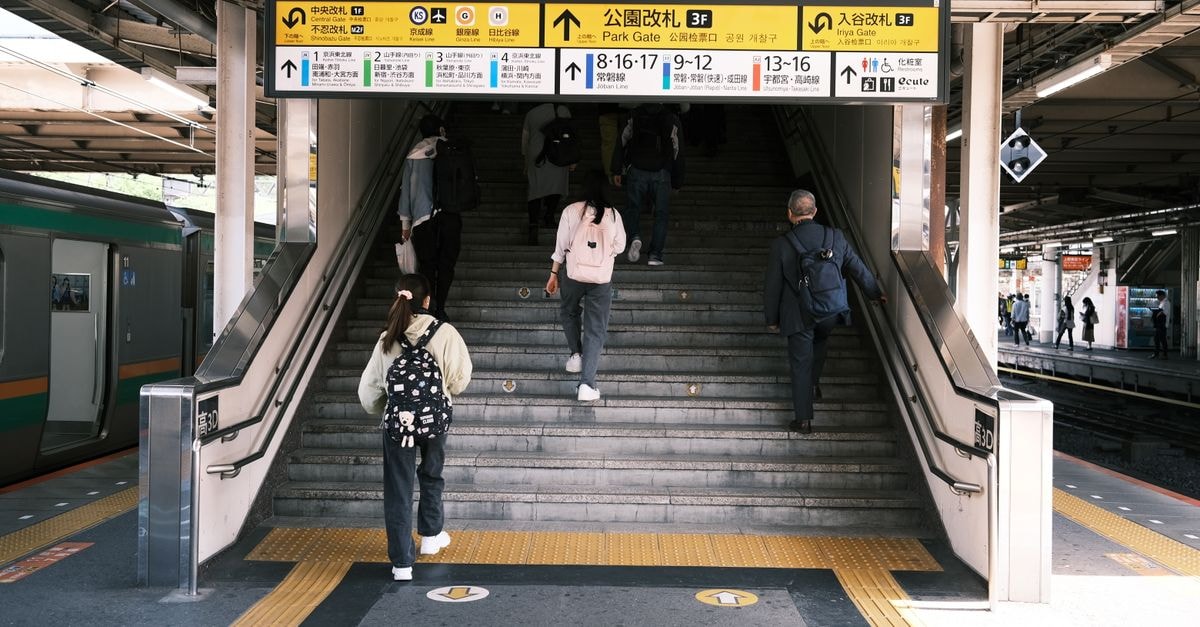
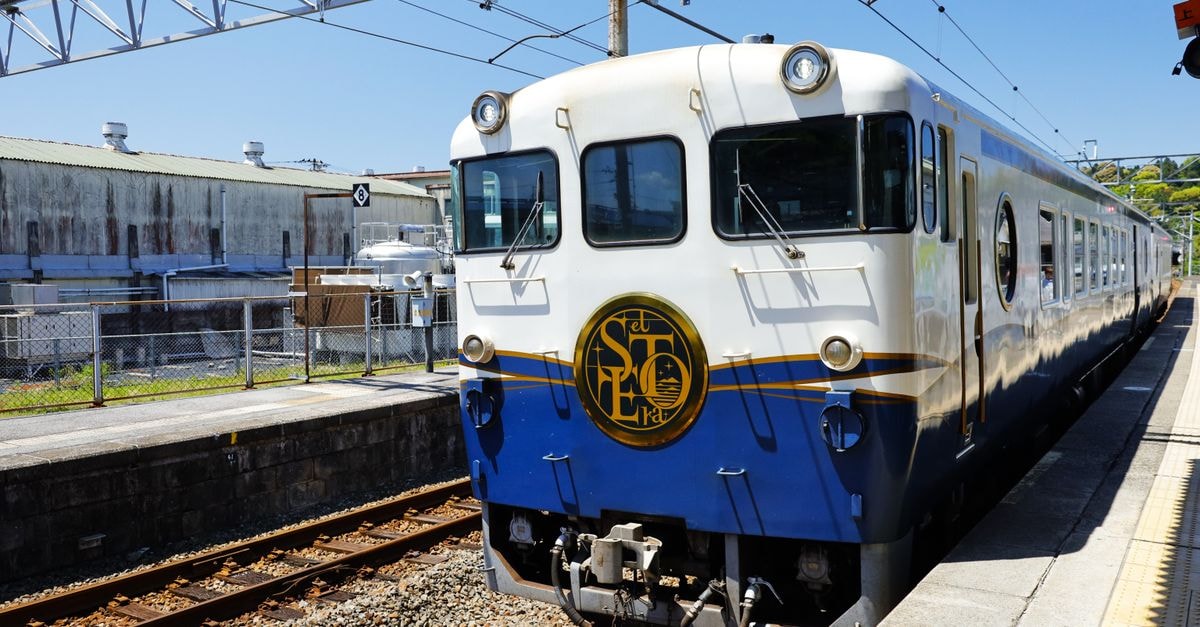
Hirakata is served by Keihan Railway, which is the main artery threading through the city and connecting it to the wider Keihan network. For visitors coming from central Osaka, the Keihan line is the simplest way in, and the same line continues on toward Kyoto, which is what gives Hirakata its reputation as a border stop.
If you are traveling light and prefer to move between cities by train rather than juggling highway buses or rental cars, Hirakata's position on the Keihan line may suit your itinerary. Consider it as a pause point: the station area has the everyday rhythm of a commuter town, and stepping off the train here offers a glimpse of how locals live between the bigger destinations.
Because the city's identity is tied to the rail line, walking from Hirakata Station is usually enough for a short visit. Think of the trip less as a destination and more as a chance to slow down on a longer Osaka–Kyoto journey.
Food and the wider Japanese table
Hirakata does not have a signature dish with a long tourist trail behind it, but the city sits comfortably within the wider Japanese food culture that visitors encounter across the country. Japanese cooking is built around seasonality, balance and an emphasis on technique, and a meal in a local Hirakata restaurant will reflect many of the same principles you would find in Tokyo or Kyoto.
If you enjoy exploring everyday Japanese food culture, you may find value in eating here the way residents do: at small neighborhood spots around the station rather than chasing a famous menu. Visitors who prefer to focus on hyper-local specialties may want to keep most of their culinary curiosity for Osaka city or Kyoto and treat a Hirakata meal as a relaxed pause between them.
Japanese cuisine rewards a little patience. Cooking techniques like simmering, grilling and raw preparation are designed to highlight the natural flavor of ingredients, and a simple set meal, often built around rice, soup, a protein and a few seasonal sides, can be one of the most satisfying ways to understand what the food culture is really about.
Choosing what fits your trip
Hirakata rewards a particular kind of traveler: someone who likes the rhythm of a commuter town, who is comfortable with a few hours rather than a full day, and who is content to wander without a checklist. If your main goal is to see the biggest sights of the Kansai region, Hirakata may not need to be on your itinerary at all; the Osaka and Kyoto highlights remain more efficient stops. If, on the other hand, you enjoy layering a quieter neighborhood into a busy trip, or you are interested in how a Japanese suburb feels on an ordinary day, then a Keihan stop here can be a welcome change of pace.
Keep expectations anchored to the rail link. The same Keihan line that brings you in will take you out again, and that round trip is the spine of any Hirakata visit. Plan to ride the train, walk the station neighborhood, eat a simple meal, and then continue on toward your next destination. Travelers who prefer guided sightseeing or a tightly packed schedule of landmarks may find Hirakata less rewarding than the larger cities nearby.
A quick verification note
Factual travel details, including train timetables, station facilities and local business hours, can change over time. Before you set out, double-check the latest Keihan Railway schedule and any current travel advisories through official channels so your Hirakata stop fits smoothly into the rest of your Japan trip.
Share this article
TOOLS FOR THIS PLAN
Make the Hirakata plan measurable
Choose a tool only when it answers the next question in your trip. Your values stay in the browser, and each tool offers a route back to this planning context.