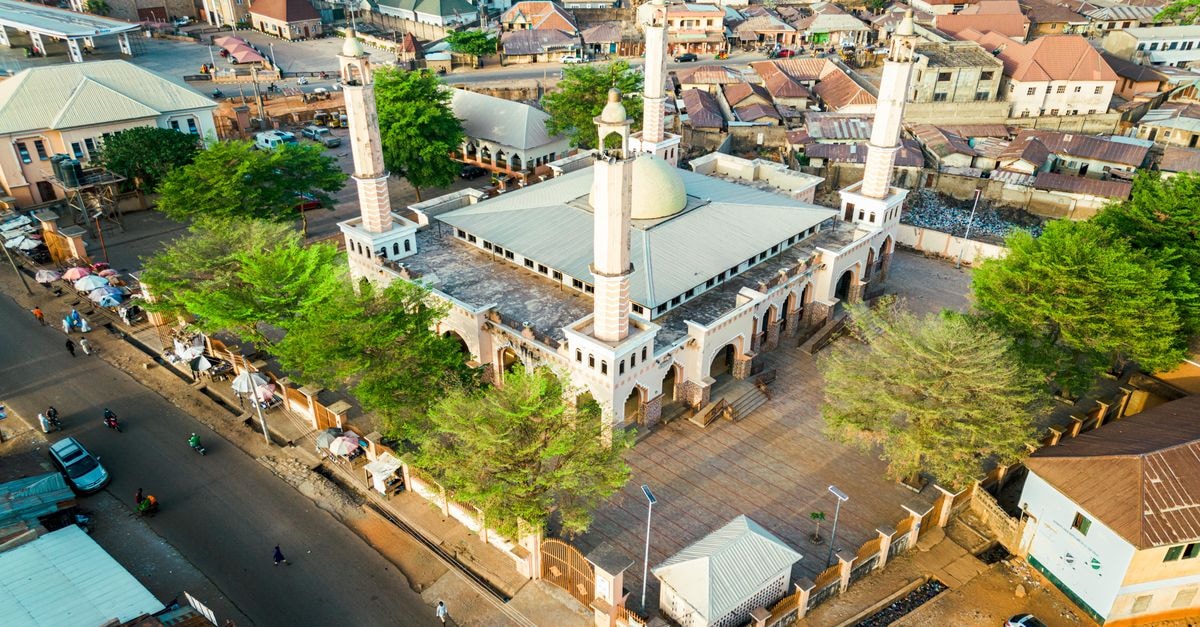
Slow mornings on the shore of a great lake

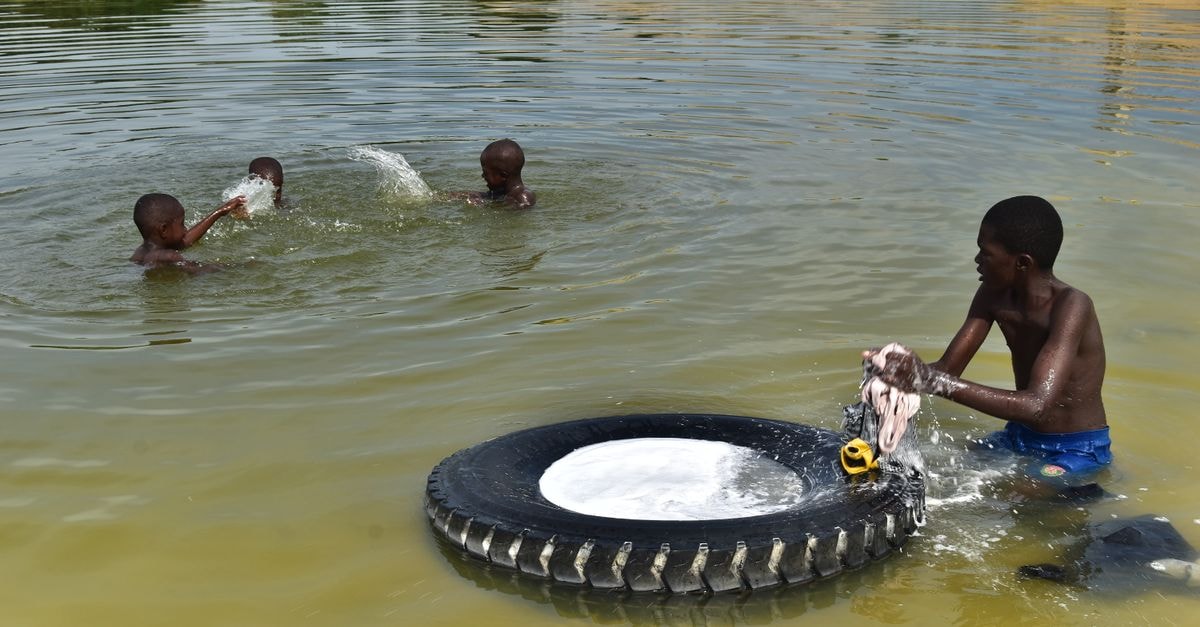
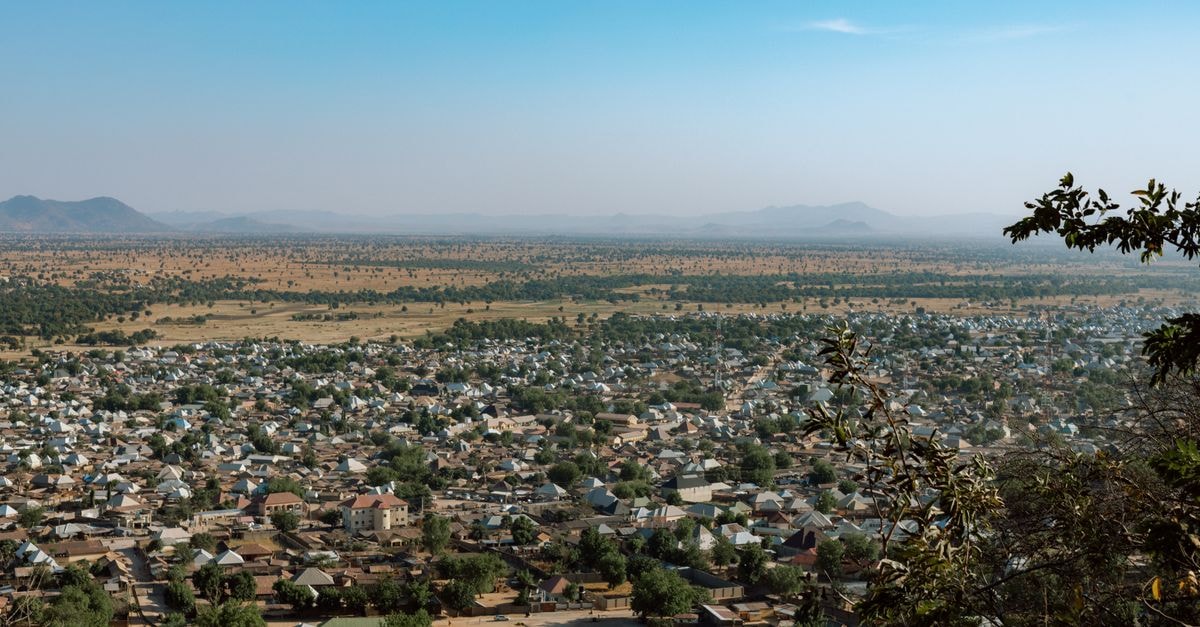
There is a particular hush to a provincial capital that faces open water rather than a tangle of motorway exits, and Inongo carries that hush with quiet authority. Set on the eastern shore of Lake Mai-Ndombe, the second-largest lake in the Democratic Republic of the Congo, the town reads as an unhurried base for travelers drawn to wetlands, fishing communities, and a pace of life that prizes the rhythm of the lake over the urgency of the clock. If you are the kind of visitor who likes a destination to feel discovered rather than displayed, Inongo offers that sensation in good measure.
The landscape is the headline. Lake Mai-Ndombe and the surrounding wetlands dominate the geography of the area, and that single fact shapes everything from how you arrive to how you spend an unhurried afternoon. This guide focuses on what the evidence actually supports: the climate context you should know before packing, the lake-based routes that define access, and the wider Congolese food culture visitors will likely encounter while in the area.
Weather and seasonal context
Inongo sits within an equatorial lake environment where humidity and warmth are steady companions, and the most useful seasonal awareness here is not tied to a single calendar month but to the broader rhythm of wet and dry periods. Travelers used to four-season climates often need to recalibrate their expectations: the day tends to begin gently, warm steadily, and reward anyone who builds a slower rhythm around the heat rather than against it. Pacing the day around the cooler early morning and the softer late afternoon tends to feel more comfortable than trying to sightsee straight through the brightest hours.
Because the area is dominated by Lake Mai-Ndombe and the broader Mai-Ndombe wetlands, conditions can shift quickly, and visitors should expect humidity to be a daily presence rather than an occasional interruption. Light, breathable layers, reliable rain protection, and patience with sudden weather changes are practical companions. The lake itself moderates temperature swings, and the shoreline microclimate can feel softer than inland stretches, which can suit travelers who prefer gentler conditions over more dramatic seasonal variation.
Anyone planning time on the water should think in flexible terms. Boat schedules, crossing windows, and outdoor plans generally benefit from building in buffer time, since conditions on a large lake and its feeder waterways can change faster than a printed timetable would suggest. Travelers who dislike rigid minute-by-minute planning may find this looseness refreshing; travelers who prefer every hour locked in may want to reconsider whether this kind of open-water territory matches their style.
Getting to and around Inongo
The defining feature of arrival in Inongo is its relationship to the lake. The area is accessible via lake transport or by river from Kinshasa, which frames the journey as part of the experience rather than a mere transfer. That single fact changes how you should approach the trip: the route itself becomes a slow, scenic approach across water, and the town reveals itself as you step off a boat rather than out of a taxi queue.
For travelers who enjoy transit that doubles as sightseeing, this style of arrival is a feature rather than a limitation. The boat and river corridors connect you to the broader Mai-Ndombe landscape, and even a short crossing offers the kind of horizon-wide views that are difficult to replicate from a road. If you prefer door-to-door ground transport and tightly scheduled connections, the lake-and-river access pattern may be worth weighing against your expectations before committing.
Once in town, the same lake orientation shapes local movement. Shoreline paths, small boat hops, and walking distances along the water tend to define the day rather than long road journeys. Accommodation in the area tends toward provincial guesthouses, including options such as the Lake View Provincial guesthouses, with premium choices described as limited and generally arranged through operators rather than booked independently online. Travelers who value a confirmed reservation and a familiar hotel chain should plan ahead and confirm bookings through their operator, since walk-in premium options may be limited. If you prefer flexibility and are comfortable choosing whatever is available on arrival, the provincial guesthouse pattern may suit you well; if a guaranteed room with specific amenities matters, arranging through an operator in advance is the more dependable path.
Food and local context
Inongo sits within the Democratic Republic of the Congo, and the wider national food culture is part of what visitors encounter while in the area. Congolese cuisine varies widely across the country, representing the food of many indigenous communities, and it is widely described as carrying the warmth of plantain smoke and palm oil heat. That national character shows up in the everyday rhythm of meals rather than in a single signature dish, and it rewards visitors who approach the table with curiosity rather than a fixed checklist.
Across the country, one of the most recognizable staples is fufu (also called ugali), a foundational starch that anchors many meals. It is typically eaten by hand and used to scoop accompanying stews and sauces, and it functions as the calm center around which other flavors revolve. Visitors who enjoy learning the physical rhythm of a place, such as shaping a bite, sharing a communal plate, and adjusting to a slower pace of eating, may find fufu especially satisfying. Travelers who prefer familiar fork-and-knife dining or strongly defined individual portions may want to ease into the experience gradually.
Beyond fufu, the national kitchen leans heavily on plantains, cassava, leafy greens, beans, peanuts, fish, and smoked preparations that give many dishes their characteristic depth. Meals tend to be shared, generous, and unhurried, and the social rhythm of the table is part of the flavor. Approaching these meals as a window into daily life, rather than as a tasting menu with a fixed itinerary, tends to suit the setting best.
Choosing what fits your trip
A few tradeoffs are worth weighing before you commit. Inongo rewards travelers who are comfortable with lake-and-river access rather than seamless road connections, so if tightly scheduled overland transit is essential to your comfort, this destination may be worth reconsidering. The provincial guesthouse pattern, including the Lake View Provincial guesthouses and limited premium options arranged through operators, suits visitors who value confirmed bookings over spontaneity. Equatorial humidity and the open-water landscape can feel intense for travelers sensitive to heat and humidity, so pacing the day around cooler hours may matter more than packing in maximum activity. If you enjoy shared meals, slower tables, and starch-based staples such as fufu, the wider Congolese food culture will likely feel welcoming; if you prefer highly individualized, fork-friendly dining, you may want to set expectations gently.
A note before you go
Practical details around transport, accommodation availability, and on-the-ground conditions can shift, and the most reliable current information will come from local operators and official channels closer to your departure. Currency, schedules, and service patterns are best checked on the ground or through your arranging operator rather than relied upon from any single source. Travel slowly, ask often, and let the lake set the tempo.
*Factual travel conditions can change. Verify transport options, accommodation availability, and local guidance with official channels and reputable local operators before departure.*
Share this article
TOOLS FOR THIS PLAN
Make the Inongo plan measurable
Choose a tool only when it answers the next question in your trip. Your values stay in the browser, and each tool offers a route back to this planning context.