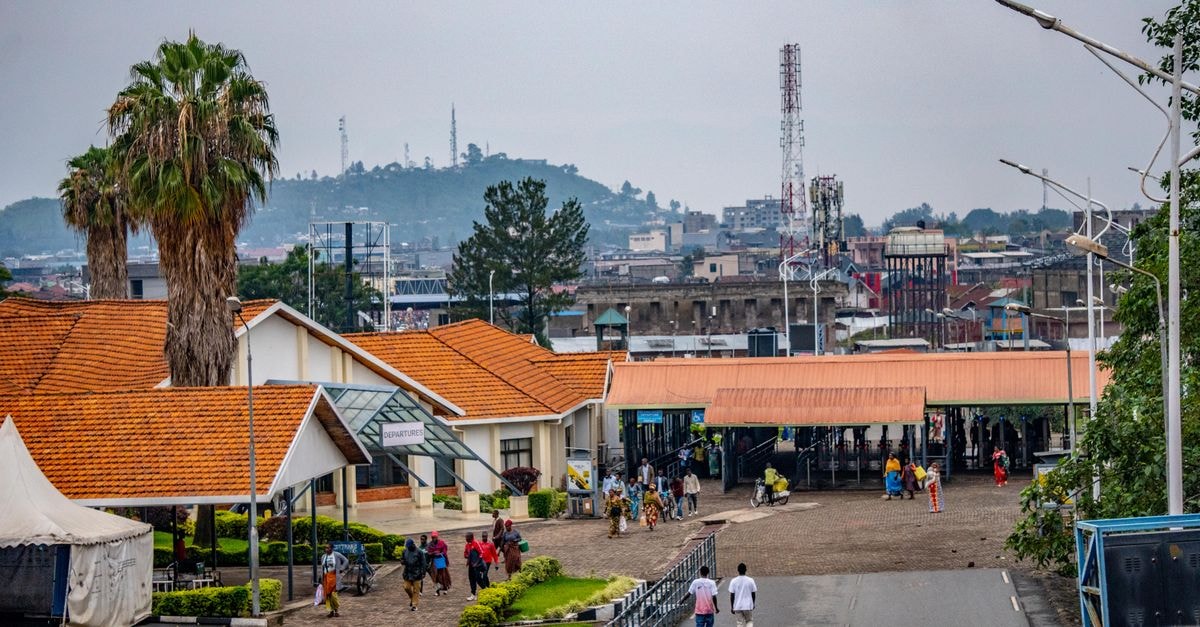
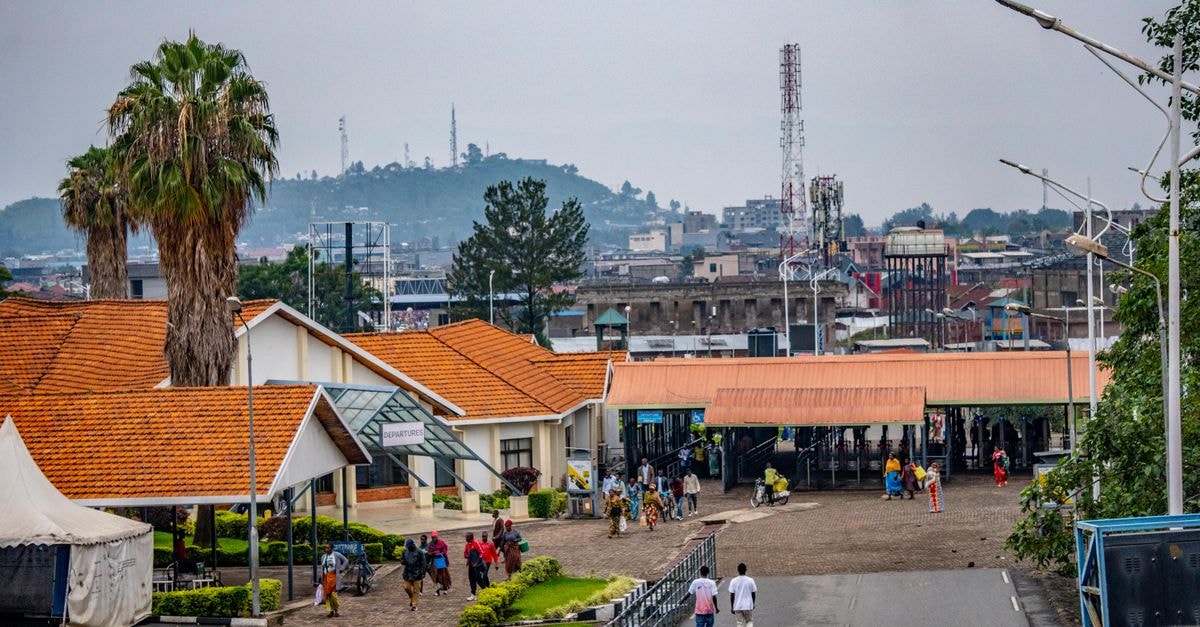
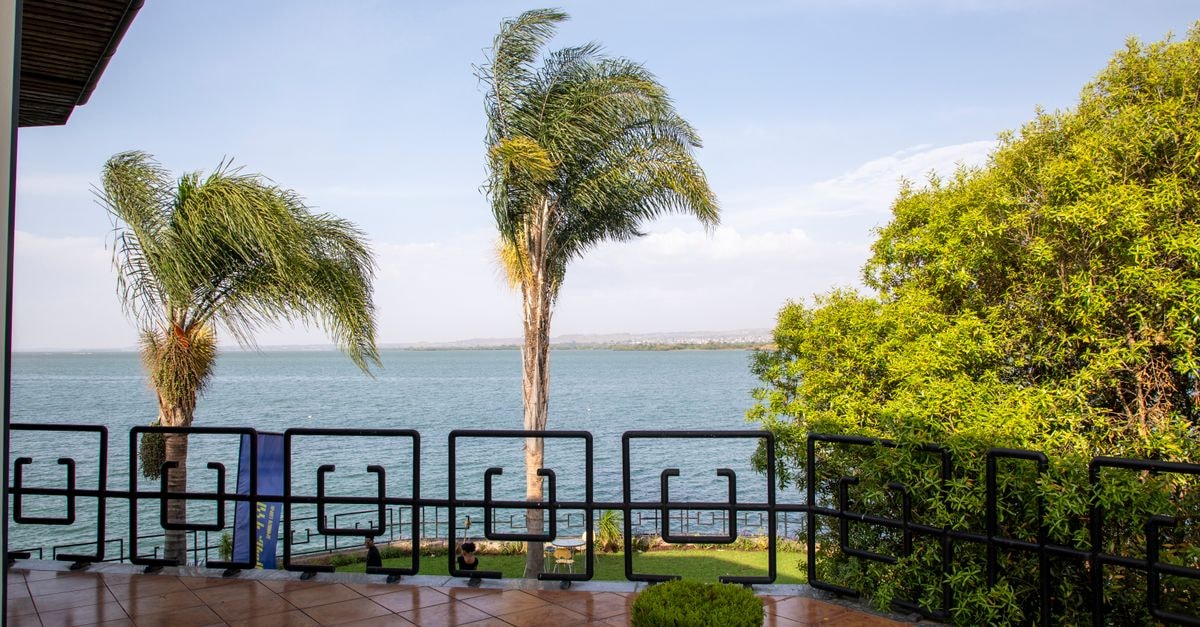
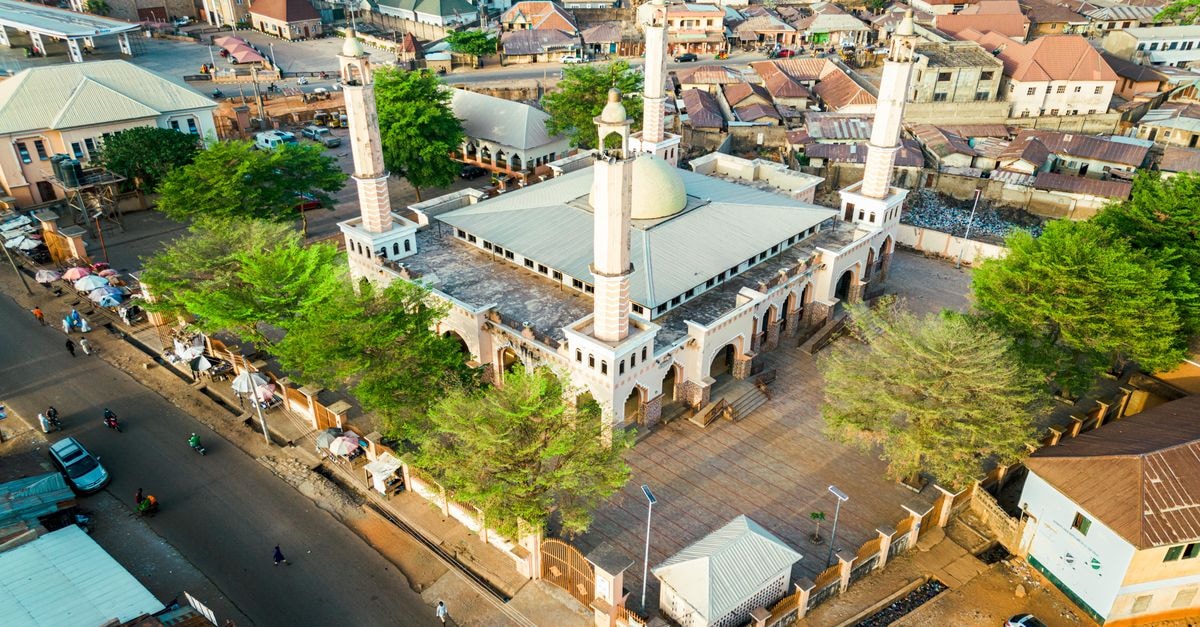
There is a particular hush that drifts over Kisangani in the early hours, the kind that follows a night of equatorial rain and lifts just as the river town begins to stir. Set deep within the Democratic Republic of the Congo, this is a city that lives in conversation with the surrounding forest and water, and a visit here rewards travelers who arrive curious about that rhythm rather than rushing past it. This guide is built for visitors who want a measured, context-first read on Kisangani — what the climate feels like across the year, and how the wider Congolese table shapes what you are likely to encounter while you are in town.

Weather and seasonal context
Kisangani sits within a tropical rainforest climate under the Köppen–Geiger classification, which is the broad framing offered by the monthly climate record for the city. That single label matters more than it might first appear, because it tells you what to expect at a structural level rather than a calendar level: warm temperatures through the year, abundant moisture, and a sky that can change its mood several times in a single afternoon.
The available climate summary points readers toward monthly average temperatures with daily means, minimums, and maximums, as well as average high and low readings for Kisangani. In practice, this is the kind of place where a light, breathable layer in the morning can still feel comfortable by midday, and where a sudden downpour is a normal punctuation mark in the day rather than a disruption. Because the equatorial setting means there is no real cool season to step into, the practical advice is gentle rather than absolute: pace your outdoor time, build in pauses, and treat rain not as a problem to solve but as part of the city's daily choreography.
For travelers who prefer their days with a bit more margin, this climate often suits a slower rhythm — late breakfasts, sheltered afternoons, and unhurried evenings when the air softens. If you would rather chase clear skies for photography or long walks, consider keeping plans flexible so a sudden shower does not derail the day. The Kisangani climate page and the Democratic Republic of the Congo weather overview remain useful references for anyone who wants to look beyond this guide before locking in plans.
Food and local context
Kisangani sits inside a much larger culinary story, and a useful way into that story is to read it as nationwide context that visitors may encounter while in the city, rather than as a list of guaranteed city specialties. The Democratic Republic of the Congo's food culture is often described in vivid, sensory terms — plantain smoke and the slow heat of palm oil — which gives travelers a starting palette to recognize flavors on a plate even before they can name them.
Across the country, traditional dishes form the backbone of everyday meals, and fufu (sometimes called ugali in related contexts) is repeatedly cited as a foundational staple. Fufu is the kind of dish that anchors a table rather than headlines it: a starchy, filling base that turns whatever sauce, stew, or greens are served alongside into the real focus. Understanding that fufu is meant to be a partner to other flavors, rather than a stand-alone bite, can make a first encounter feel more intuitive.
Wider Congolese cuisine is also notably varied, reflecting the food of indigenous peoples across a vast country, which means travelers in Kisangani may notice that what arrives at the table is shaped as much by local agriculture and trade as by any single national tradition. Because the available evidence speaks to country-level food culture rather than named Kisangani restaurants, markets, or menus, it is worth treating what you hear about Congolese cooking as a framework for recognition. Look for the telltale signs — plantain in many forms, palm oil's deep color and richness, fufu as a steady companion — and you will start to read the local table with more confidence. For anyone with a preference for plant-forward meals, this style of cooking, where starchy bases carry the dish and vegetables or greens bring the brightness, often rewards patience and curiosity.
Choosing what fits the trip
Kisangani rewards a particular kind of traveler: someone who is comfortable with humidity, who treats rain as scenery rather than inconvenience, and who would rather understand a place than tick boxes in it. If your travel style leans toward structured itineraries with tightly timed outdoor hours, this climate can feel like it is gently nudging you to slow down, and you may want to plan fewer commitments per day rather than more.
On the food side, if you enjoy cuisine that is built around starchy staples and shared plates, the wider Congolese table will likely feel welcoming. If your preference runs toward lighter, quicker meals, you may want to ask locally about which dishes naturally lend themselves to that pace, since the evidence here describes the foundation of the cuisine rather than specific dining formats.
The honest trade-off is that Kisangani is best approached with flexibility and a willingness to let the day reshape itself around weather and local rhythm, and travelers who build that margin in tend to find the city opens up rather than closes down.
A note before you go
Weather patterns and travel conditions can shift, and even a well-grounded evergreen guide can only describe the broad picture. Before you travel, it is worth checking current conditions, any local advisories, and up-to-date guidance from official channels so your plans reflect the moment you are actually stepping into. One useful verification question for Kisangani is simply to confirm the latest local weather expectations and any current travel guidance for Tshopo province, since neither this guide nor its sources can speak to live conditions.
If you arrive ready for warmth, rain, and a cuisine that tells a story across a whole country, Kisangani has a quiet kind of generosity to offer — the kind that shows up in slow mornings, long evenings, and the small patience of a tropical day.
Share this article
TOOLS FOR THIS PLAN
Make the Kisangani plan measurable
Choose a tool only when it answers the next question in your trip. Your values stay in the browser, and each tool offers a route back to this planning context.