A warm, easy welcome to Irvine

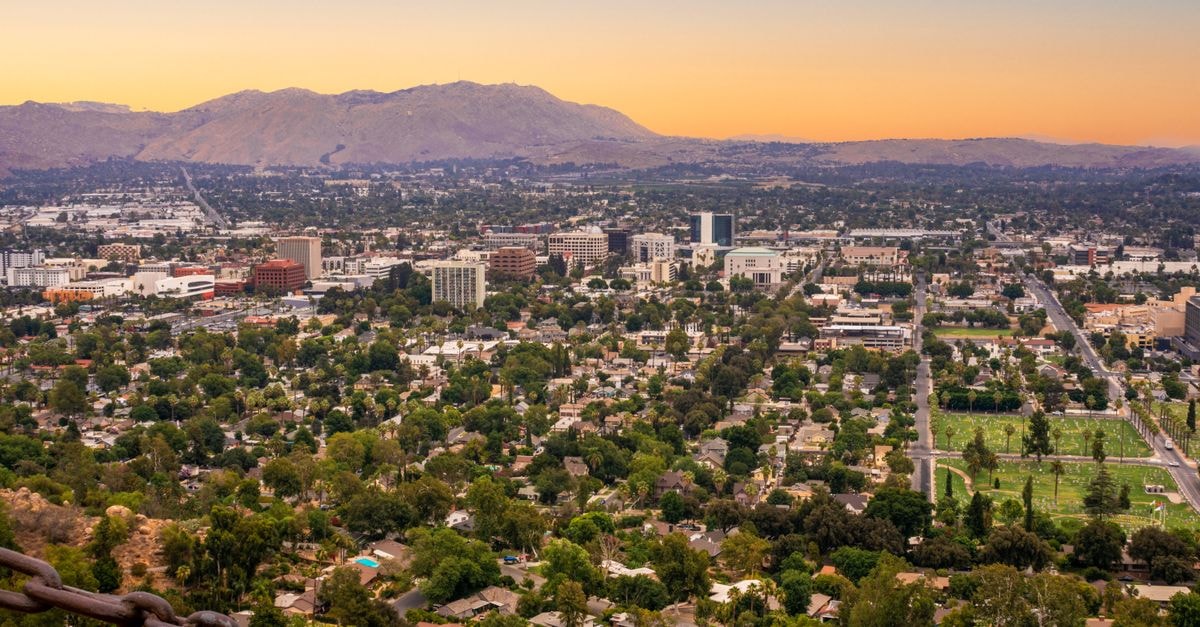
Irvine sits in the heart of Orange County, a planned city with broad greenbelts, quiet parks and a polished streetscape that can feel surprisingly calm for Southern California. For travelers who appreciate order, walkable districts and a base that doubles as a launchpad into the wider region, Irvine offers a relaxed first stop. Evenings here tend to wind down at a measured pace, so visitors looking for late-night energy may want to plan a few outings or alternative activity zones rather than expect a constant downtown buzz.
The vibe is unhurried, with museums, performance venues and outdoor spaces woven into the neighborhoods. The city rewards visitors who like to mix a little culture with a lot of fresh air, and who enjoy staying somewhere that feels intentional rather than improvised.
Weather and seasonal context
Irvine has a Mediterranean-style climate that leans mild much of the year, and the surroundings often feel comfortable for walking, gallery time and patio lunches. Because specific monthly temperatures and current conditions are not part of this guide's evidence, the focus stays on how the climate generally shapes a day. Inland afternoons can feel noticeably warm, while mornings and evenings tend to cool, so layering is a practical habit for visitors who plan to move between indoor museums and outdoor trails in a single day.
The coastal influence means humidity is usually moderate, and rain tends to arrive in short, passing spells rather than long downpours. Travelers who prefer to pace warm weather and save the hottest stretch of the day for a museum stop may find that approach especially useful here. Because long-term climate patterns can shift, it is worth checking a current forecast before locking in any outdoor plans.
Getting around
Irvine was designed with the car in mind, and many of the city's districts sit along wide, well-signposted arterials that are simple to navigate. For visitors who prefer not to drive, ride-hailing and taxi services fill the gap between districts and key cultural venues, and several hotel properties are clustered in convenient zones.
Walking works beautifully inside specific districts, especially around university-adjacent areas and the business complex, where destinations sit close together. A few practical habits make moving around smoother:
- Plan a car or ride-hail for any cross-city hop between districts, since distances can be larger than they look on a map. - Keep an eye on weekday commuter traffic if you are heading toward the airport-adjacent district or the Irvine Business Complex in the morning or late afternoon. - Build in a few minutes of buffer time when traveling to a scheduled museum or performance, since parking and entry routines can take longer than expected.
For visitors who like the convenience of having a vehicle, Irvine's grid is forgiving and rental pickups are available around the airport and business districts.
Attractions and planning
Irvine's attractions tend to cluster into a few character-rich districts, which makes planning feel more like choosing a mood than building a checklist. A useful starting point is the area around the Irvine Business Complex, where the Jack & Shanaz Langson Institute & Museum of California Art and K1 Speed Irvine sit within easy reach of each other and pair a contemplative art stop with something more active. Travelers who like to anchor a day around one or two anchor venues rather than chasing a long list may find this rhythm especially comfortable.
A short drive east, the airport-adjacent district offers another appealing pair of stops: the Jack & Shanaz Langson Institute & Museum of California Art, which also has a presence here, and the Lyon Air Museum, a Smithsonian-affiliated collection focused on aviation history. Combining the art museum and the air museum makes for a thoughtful half-day, and visitors who enjoy mixing visual culture and hands-on history tend to travel well under this pairing.
Across the city, Christ Cathedral is a frequently highlighted landmark that pairs well with a slower afternoon. The architecture invites unhurried wandering rather than a tightly timed visit, and travelers who enjoy sacred spaces and stained glass can plan extra time here. A wider, popular 4-star option for resting the area is the Marriott Irvine Spectrum, which works well for visitors who want a central home base with easy access to several attractions. For visitors who want to balance indoor anchor stops with time on coastal-style trails, an 8-mile loop trail runs through coastal sage scrub and chaparral, offering a restorative outdoor counterweight to a museum morning.
A useful habit for Irvine is to keep the day loose. Choose one anchor venue, one secondary stop and one outdoor moment, then let the schedule breathe. Several cultural venues welcome donations rather than charging admission, which can shape a relaxed visit, though the exact fee structure should always be confirmed on the day.
Food and local context
For travelers who appreciate being able to choose between a quick breakfast stop, a long lunch and a relaxed dinner without leaving a small radius, Irvine's district-by-district layout tends to support that rhythm. Visitors who like the joy of structured food choices may want to plan one signature meal per day rather than treat every stop as a tasting, and travelers who prefer familiar chains alongside local kitchens will find both represented. Because the evidence here is wider cultural framing rather than specific Irvine restaurant rankings, confirming individual venues, hours and menus before going remains the smartest move.
Picking what fits the trip
With the city's districts in mind, a few small tradeoffs help shape a comfortable itinerary. Visitors who want a single home base will likely appreciate the central positioning of the Marriott Irvine Spectrum, while travelers who prefer to stay close to museum anchors may want to compare hotels in the Irvine Business Complex or the airport-adjacent district. Those drawn to long outdoor mornings can use the 8-mile chaparral loop as the day's anchor and slot in a museum stop later, while travelers who prefer a more indoor-leaning day can flip that order and save the trail for an early-evening walk. Each shift keeps the focus of the trip intact while letting the rhythm match personal energy, and verifying opening hours, admission details and trail conditions in advance keeps the day flexible rather than fragile.
A quick word on details: factual travel conditions can change, and official channels should always be checked before departure, since hours, fees, transit options and seasonal availability may have updated since the evidence was gathered.
Share this article
TOOLS FOR THIS PLAN
Make the Irvine plan measurable
Choose a tool only when it answers the next question in your trip. Your values stay in the browser, and each tool offers a route back to this planning context.