A first impression of Pachuca

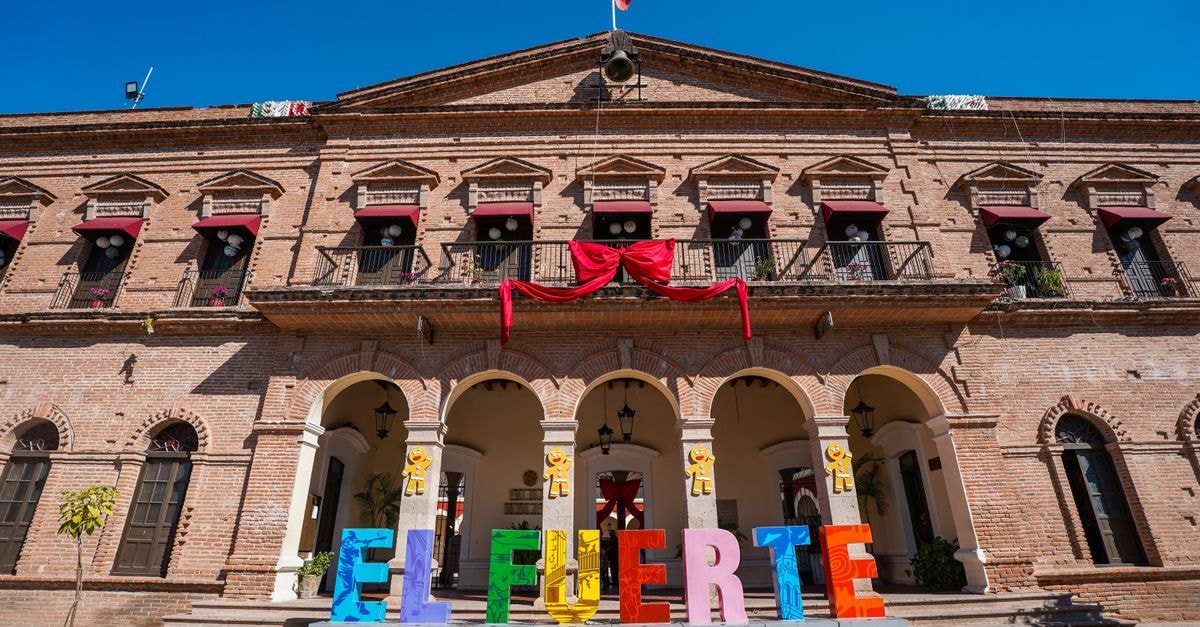
Perched in the highlands of central Mexico, Pachuca has the kind of compact layout that rewards travelers who like to explore a place on foot before deciding how much help they want from wheels or apps. The city carries a working, mid-sized feel: not so big that you feel anonymous, not so small that you run out of corners to wander. Cobblestone streets slope between colorful old buildings, and a few landmark sights anchor an easy first day while you get your bearings.
A helpful mental map is to think of Pachuca as a base for slow urban wandering, with a handful of signature stops and a wider regional landscape just outside the city limits. If you enjoy places where museums, viewpoints and a cycling path can sit comfortably in an itinerary, this city tends to reward that pace.
Getting around
Pachuca's size makes it friendly to travelers who prefer to keep moving at their own tempo, and a mix of options is easy to combine.
Walking and cycling are well-supported. Parque David Ben Gurión is notable for being home to the world's largest pedestrian mosaic, and the area is a natural starting point for both relaxed walks and longer pedal routes. If you like a ride with a payoff, Mirador de la Basílica offers panoramic city views from a viewpoint. A little farther out, Presa El Cedral sits within the El Chico park area and is a known birdwatching location, while camping areas in Mineral del Chico (a short distance beyond the city) are described as bonfire-friendly for travelers who want to spend time around a fire.
Public transport across the city is approachable. Local routes are useful for short trips across Pachuca and to nearby Mineral del Monte and Mineral del Chico. Fares are low — typically a single-digit number of pesos — and cash is commonly used on board, so keep small bills and small change in your pocket before you set off for the day.
Practical numbers worth knowing: the city itself holds roughly 315,000 residents, while the metropolitan area sits at about 650,000. Internet for working travelers is generally accessible, with average speeds of 60–100 Mbps via Totalplay or Telcel Infinitum fiber optics — useful context if you are planning to work online at all. The local currency is the Mexican Peso (MXN); rates fluctuate, so treat any figure you are quoted as a reference and check the live rate before exchanging larger sums or paying with a foreign card.
Traveler-fit notes woven in: if you prefer to explore on foot or at a slow pace, the pedestrian mosaic park and the short chain of three opening-stop sights cluster naturally. If you would rather ride than walk, the cycling route and the local public transport — both described as low-fare and cash-based — pair well together, especially since local routes also serve nearby Mineral del Monte and Mineral del Chico for travelers who want to step just outside the city without committing to a long plan.
Food and local context
Pachuca sits inside a wider Mexican food culture that visitors tend to notice as soon as they sit down to eat, even if no single dish is framed as the city's signature. The country-level picture may help set expectations: Mexican cuisine is widely described as a blend of indigenous and Spanish influences, with corn, beans, and chilies at the heart of the food culture, so travelers with an interest in how those foundations show up across Mexico may find it useful to keep that frame in mind while eating their way around Pachuca. Country-level context is only a starting point, so confirming specific preparations on the spot in Pachuca is a sensible habit to keep.
Picking the day that fits your style
Because Pachuca is compact, the choice between a walking day and a riding day is really a question of mood. A walker-leaning traveler can build a satisfying loop around the pedestrian mosaic park and the city's landmark stops within walking distance of one another, with a viewpoint stop if energy allows. A riding-leaning traveler can lean on the cycling paths, the low-fare local bus network, and the short routes that reach Mineral del Monte and Mineral del Chico without needing a full day plan.
There are a few small tradeoffs to keep in mind. Cash is the practical default on local buses, and fares — while low — still need small bills in your pocket. If you want to spend time around a fire, the camping areas in Mineral del Chico are described as bonfire-friendly, but that means planning for an evening away from the city rather than a quick detour, so the longer route does not suit a traveler who prefers to stay central each night. None of these are deal-breakers; they are simply knobs to turn when you decide how structured or relaxed a given day should feel.
A final note before you go
A few practical reminders to keep your planning grounded. Currency values shift, so use the Mexican Peso (MXN) as your reference figure and check the live rate before exchanging or paying with a foreign card. Internet speeds are listed as a typical range rather than a guarantee, so if reliable connectivity is essential to your trip, it can be worth confirming the current setup where you plan to stay. Local bus fares are quoted as a typical low range, and the small-detail specifics — exact stops, exact pickup points, and exact timetables — are best confirmed on the day rather than locked in advance.
Travel conditions can change at any time, so official channels and local information points are useful to consult close to your trip. Treat this guide as a starting framework for Pachuca, and let the city fill in its own details once you arrive.
Exchange rates shown are for reference only; check the current live exchange rate before departure.
Share this article
TOOLS FOR THIS PLAN
Make the Pachuca plan measurable
Choose a tool only when it answers the next question in your trip. Your values stay in the browser, and each tool offers a route back to this planning context.