A capital built for breathing room

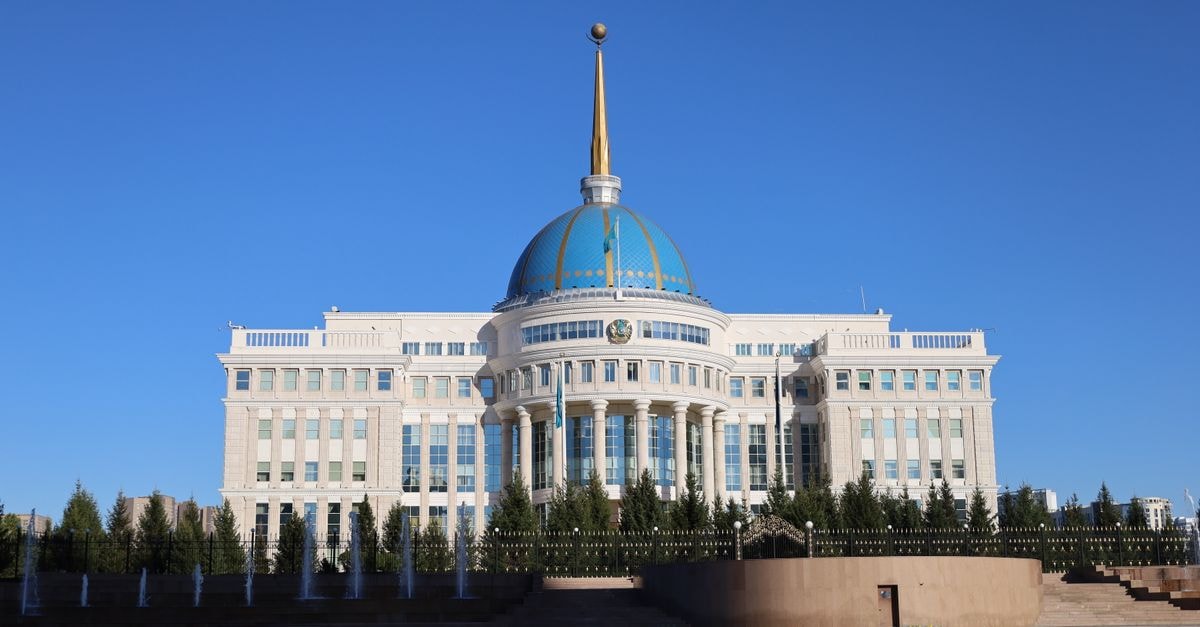
There's something quietly distinctive about arriving in Islamabad. The city unfolds in wide, ordered sectors rather than the tangled lanes you might expect from a national capital, and that sense of space is part of its identity. Travellers often describe it as a place where green belts soften the edges of the urban grid and where the surrounding Margalla hills feel close enough to shape the skyline. The city's character leans toward calm: planned avenues, generous parks, and a steady rhythm that invites slow wandering rather than rushed sightseeing. For visitors, that mood is a useful frame for the experience to come, especially if you're shifting in from a more hectic itinerary elsewhere in Pakistan.
What stands out most is the pairing of natural setting and cultural heritage. The orderly layout and serene environment give Islamabad a different texture from many South Asian cities, and travellers passing through often find themselves lingering in shaded corners simply to enjoy the quiet. Keep that gentle pace in mind as you plan your days; it tends to shape how the city reveals itself.
Weather and seasonal context
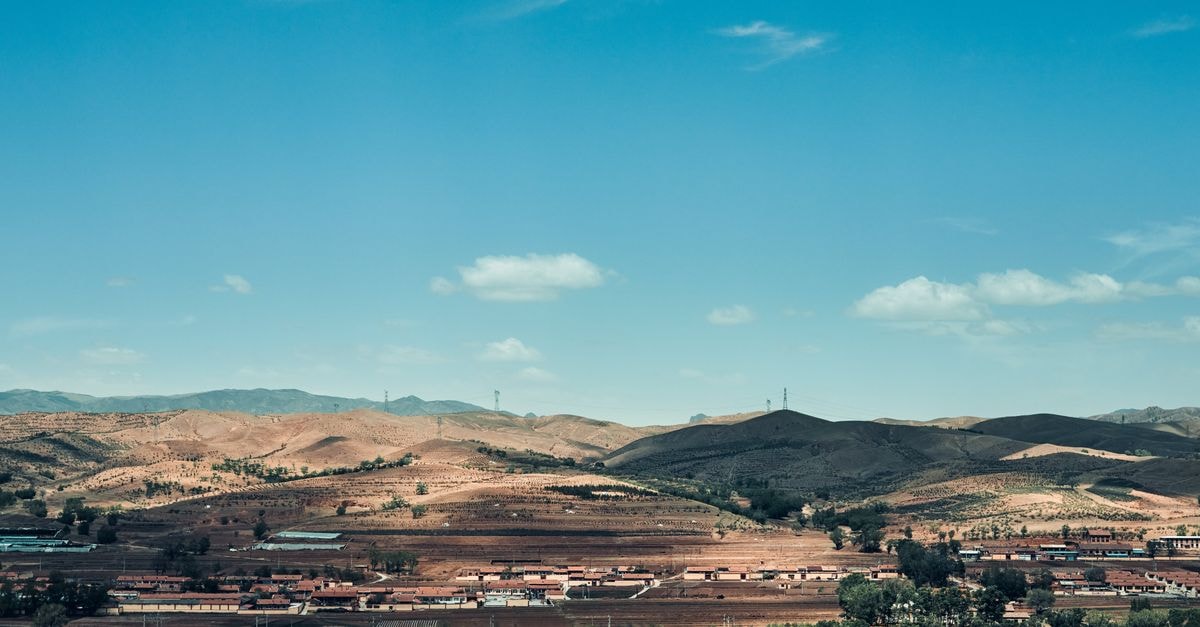
Islamabad's setting against the Margalla hills means the climate is generally milder than you might expect for a Pakistani capital, but day-to-day conditions can still shift. Pack layers rather than a single uniform: mornings and evenings often feel noticeably cooler than the middle of the day, and the breeze off the hills can catch you off guard if you've been walking in the sun.
A few practical considerations tend to serve visitors well, no matter when they arrive:
- Pace outdoor time thoughtfully. Long mid-afternoon stretches can feel warmer than the rest of the day, so early mornings and late afternoons are usually the most comfortable windows for walking, viewpoints, and any longer outdoor visits. - Carry water and sun protection. Even on cooler-feeling days, the sun at this elevation and latitude is real, and shade isn't always available along the longer avenues. - Build in indoor pauses. Cafés, museums, and shaded arcades give you a chance to rest, recalibrate, and people-watch between outdoor blocks.
The city's serene environment is something travellers regularly remark on, and that calm can shift slightly with the calendar, but the underlying character holds. Treat the climate as one factor among several rather than the headline of your trip, and let the city set the tempo.
Cultural awareness and everyday etiquette
Islamabad is the political and administrative heart of Pakistan, which means a more formal public atmosphere in many spaces. Travellers who take a little time to read the room tend to have smoother, warmer experiences across the city.
A few general points are worth keeping in mind:
- Dress modestly, especially when visiting religious sites. This is the clearest etiquette signal visitors encounter, and following it signals respect in the moments that matter most. - Move a little more slowly than you might at home. The city rewards a measured pace, both in how you walk through sectors and in how you interact with people you meet. - Be thoughtful with photography. Always ask before photographing individuals, particularly women, and respect any posted signs around government buildings, religious sites, and checkpoints.
These small adjustments are less about rules and more about fitting naturally into a capital where public decorum matters. Once you tune into the rhythm, the city's calm begins to feel less like a description and more like something you're actually part of.
Getting around
Islamabad's sector layout is a gift for orientation. The numbered sectors and clear grid mean that once you understand the basic pattern, navigation becomes intuitive. Even so, the practical reality of moving through the city is shaped by how it connects with neighbouring Rawalpindi, and that's worth understanding from the start.
The majority of long-distance buses arrive in and depart from Rawalpindi, which sits a few kilometres from Islamabad proper and is typically around a 45-minute taxi ride away. That's an important detail for arrivals and departures: if you're booking a Daewoo or similar long-distance service, double-check which terminal you'll actually be using. Daewoo operates its own terminal on the road out of Islamabad, just outside Rawalpindi, so depending on your route, you may be starting or ending your journey at that peripheral stop rather than in the city centre.
For moving within Islamabad itself, a few patterns tend to work well:
- Use ride-hailing apps for cross-sector trips. They're widely used, reasonably priced, and remove the guesswork of negotiating fares in a city you're still learning. - Plan viewpoints and hill-facing spots for the evening, when light and shadows tend to be at their best. The Margalla-edge vantage points are popular for good reason, and the late-day light makes them feel almost cinematic. - Treat Rawalpindi as a separate city for logistics, not a casual stroll from your hotel. The few kilometres between the two feel further once traffic, heat, or fatigue enters the picture.
If you're arriving by overnight bus or planning to leave by one, give yourself more buffer time than you think you need. The taxi between Rawalpindi and Islamabad is straightforward but unpredictable in duration, especially during busy periods.
Planning your days in the capital
The most rewarding approach in Islamabad is to resist the urge to pack every sector into a single day. The city's serene character is part of its appeal, and that quality only registers if you slow down enough to notice it. Two or three anchor activities per day, with generous time between them, usually beats a dense checklist.
Think of your time in three loose modes:
- Mornings for outdoor spaces and viewpoints, when temperatures are gentler and the light is softer. - Midday for meals, shaded stops, and indoor visits such as museums or galleries. - Late afternoons and evenings for hill-facing viewpoints, market strolls, and the kind of unhurried wandering that reveals how the city actually lives.
This kind of rhythm suits the city's pace and helps you absorb the contrast between the orderly sectors and the dramatic natural backdrop. It also leaves room for the unexpected conversations and small discoveries that tend to be the most memorable part of any Islamabad visit.
Practical notes before you go
A few evergreen reminders that tend to save travellers from small headaches:
- Carry a form of identification at all times. Islamabad is a capital with security checkpoints, and being asked for ID at entrances to government zones, hotels, or certain viewpoints is normal. - Keep some local currency in small denominations. Smaller shops, taxis, and traditional markets often prefer cash, even where cards are technically accepted. - Confirm any timed visits the morning of, especially for religious sites and viewpoints that occasionally close for security or maintenance reasons. A quick phone call or hotel front-desk check is usually enough. - Give yourself a buffer day if you're connecting Islamabad with northern destinations. The logistics between the capital and hill stations are smoother when you're not racing the clock.
A final note on staying flexible
Islamabad rewards travellers who arrive with a plan but leave room for spontaneity. The combination of a serene environment, organized layout, and natural beauty creates a setting where a slow walk, a long conversation over chai, or an unplanned detour up to a viewpoint can easily become the highlight of the trip. Lean into that.
Factual travel conditions can change at any time, and details such as transport schedules, opening hours, entry rules, and security advisories should always be confirmed through official channels or your hotel before you set out for the day.
Share this article
TOOLS FOR THIS PLAN
Make the Islamabad plan measurable
Choose a tool only when it answers the next question in your trip. Your values stay in the browser, and each tool offers a route back to this planning context.