A first look at Ivano-Frankivsk

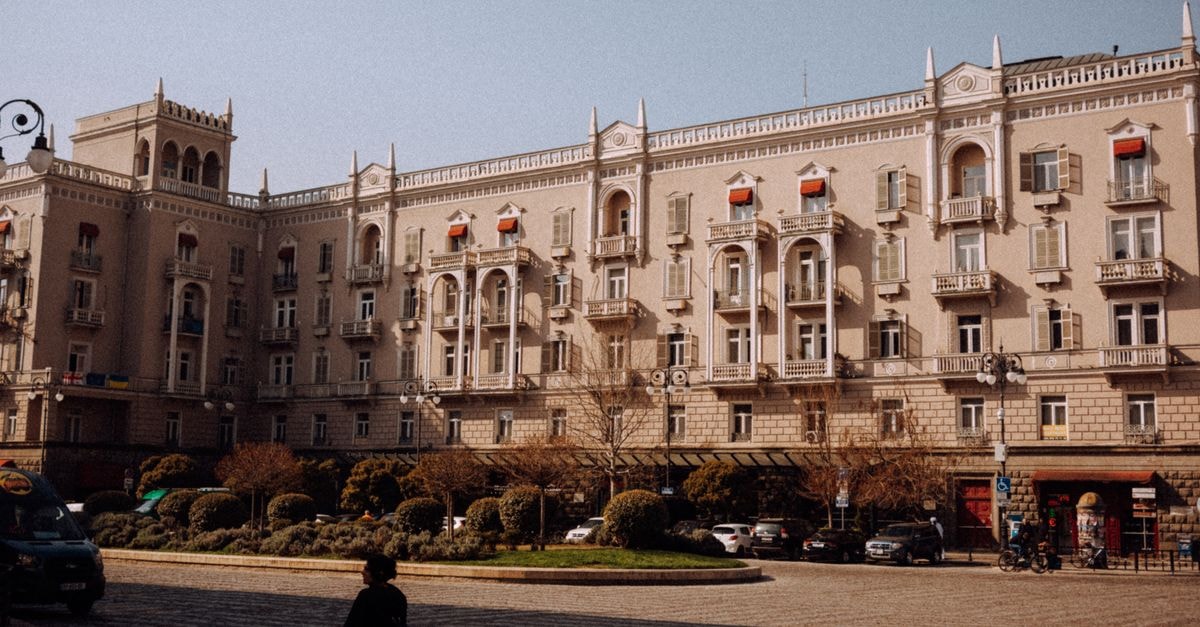
Set in western Ukraine, Ivano-Frankivsk carries a layered identity that visitors tend to feel within the first few streets. It has gone by other names over the centuries, including Stanyslaviv, Stanislau and Stanisławów, each one a fingerprint of the empires and communities that shaped it. Today it reads as a compact, lived-in city that doubles as the administrative centre of Ivano-Frankivsk Oblast, giving it the steady hum of a regional capital without the scale of a major metropolis. Walking the centre, you'll notice a tidy mix of Austro-Hungarian-era facades, Soviet-era blocks, and newer cafés tucked into ground-floor spaces. The atmosphere is unhurried, and the city is small enough to navigate on instinct after just an afternoon.
The setting is part of the appeal. Ivano-Frankivsk sits on the Bystrytsia River, right where the plains begin to ripple into the Carpathian foothills. You don't need to leave the city to sense the geography: the sky feels wider toward the south, and the light changes as you move toward the eastern edge of town. It's a useful place to base yourself if your wider plan involves the mountains, but it also rewards visitors who treat it as a destination in its own right.
Weather and seasonal context
Ivano-Frankivsk Oblast sits on the eastern flank of the Carpathian range, and that geography shapes everything from light to local water systems. The oblast itself covers a substantial area of Ukraine's west, and its terrain tilts gently upward toward the mountains. Within the broader region, the rivers have a particular character: a large part of them run fast, carving out cascades and waterfalls that support water-based tourism. Inside the city, the relevant waterway is the Bystrytsia, which runs along the edge of the Carpathian foothills and has long anchored the settlement. Historically, this river-meets-foothills position is exactly why the town grew up here in the first place, as a fortress and market town of Galicia.
Because the destination sits where lowlands meet mountains, conditions can shift quickly within a single day, and the feeling of the city often tracks that transition. Mornings in the centre tend to feel calmer and cooler, while afternoons can warm up as the sun works across the open squares. Toward evening, a breeze tends to move in along the river corridor. Layering is the practical mindset; a light jacket over a sweater will see most travelers through comfortably. If you prefer photography in softer light, the river-edge streets on the city side can be rewarding as the sun drops toward the foothills.
Pace is worth thinking about too. The compact centre invites slow wandering, and the surrounding geography rewards a slightly more deliberate rhythm. You might want to plan one or two anchor activities per day and leave gaps for cafés, people-watching, and the kind of unplanned detours that small Ukrainian regional capitals tend to offer.
Getting around
Ivano-Frankivsk is the kind of city where the simplest plan is often the best. The historic core is compact, and most of the obvious landmarks, churches, and market streets fall within walking distance of one another. Sidewalks are generally usable, and the central grid makes orientation straightforward. For a first visit, sturdy walking shoes and a paper map (or an offline one on your phone) are usually enough.
For travelers who prefer not to walk, or who arrive with luggage, taxis and ride-hailing apps operate in the city and are commonly used by residents. If you're staying outside the centre or arriving by train or bus, sorting out a ride into the old town in advance can save a small negotiation at the curb. Drivers tend to be familiar with the central landmarks, so naming a specific street or square is more effective than waving vaguely at the horizon.
Lodging options are widely available in Ivano-Frankivsk, ranging from small family-run guesthouses to larger hotels. Because the city functions as a regional hub, the supply tends to be steady rather than seasonal. If you have a preference for staying inside the walking radius of the historic centre, it's worth asking about that specifically when booking; some newer hotels sit a little farther out along the main arterials.
The city also serves as a practical gateway to the surrounding Carpathian region, and you'll see that reflected in the rhythm of buses and shared transport leaving from the central stations. Treat those routes as a topic to confirm locally rather than something to plan down to the minute; schedules and operators can shift, and asking at your hotel the day before is often the most reliable approach.
Where the city meets the mountains
The defining feature of any visit here is the visual dialogue between town and terrain. From elevated points in the centre, the city resolves into the foothills in the distance, and on clear days the higher Carpathian ridges are visible on the horizon. Walking from the central squares toward the southern edges of the city, you'll feel the gradient shift almost imperceptibly, and the architecture begins to thin into smaller houses and gardens. That transition is worth doing on foot, slowly, rather than skipping over it.
The river itself is part of the urban experience. The Bystrytsia has shaped where residents walk, where markets sit, and where evening strolls tend to happen. Bridges across it are short and frequent, and the riverbanks are a natural place to pause with a coffee when the day is warm. Because the wider region's rivers are known for fast flow, cascades, and waterfalls, the local appreciation of running water has a long, practical history, and you'll see it echoed in small urban details, from mill-era architecture to landscaped embankments.
If your interest leans toward the geographic rather than purely urban, the foothills just outside the centre are within easy reach. Light hiking, photography, and simple nature stops are accessible without committing to a full Carpathian expedition. Treat the surrounding landscape as a context for the city rather than a separate itinerary; the two read together.
Choosing what fits your trip
A few practical tradeoffs tend to shape how visitors experience Ivano-Frankivsk. If you enjoy cities where you can learn the layout within a day and spend your energy on people and food rather than transport, the compact centre is a real strength. If you prefer a destination that doubles as a jumping-off point for outdoor landscapes, the position at the edge of the Carpathian foothills means you can build lighter or more ambitious days outside the city without long transfers. Travelers who prefer staying inside a tight walking radius will find the centre works well; those who want a quieter residential setting with easy access to the mountains may want to look slightly south of the core. Because lodging supply is broad, specifying your preference when booking tends to get a better match than browsing by price alone.
Before you go
Factual conditions in and around Ivano-Frankivsk can change, and details such as transport schedules, accommodation availability, and local services are worth verifying through official channels shortly before departure. Treat any practical detail in this guide as a starting point rather than a guarantee, and cross-check with current sources when your plans depend on it.
Share this article
TOOLS FOR THIS PLAN
Make the Ivano-Frankivsk plan measurable
Choose a tool only when it answers the next question in your trip. Your values stay in the browser, and each tool offers a route back to this planning context.