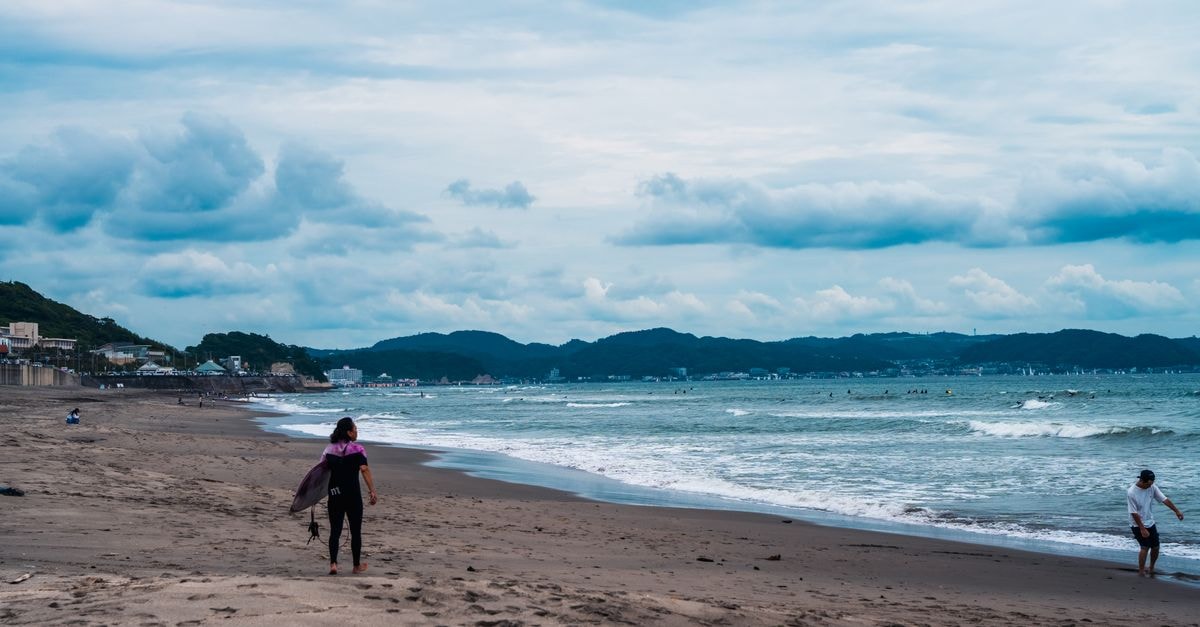
A calm harbor city rooted in craft

On the north coast of Central Java, Jepara sits where Java's northern highway meets the Java Sea, a working port town long associated with one of Indonesia's most celebrated craft traditions. Traveloka and Agoda both feature Jepara as a dedicated destination in their Indonesia collections, and a dedicated woodcarving guide describes the city as a "Woodcarving Capital & Island Gateway," framing it as a place where heritage and sea access go hand in hand. That dual identity shapes how visitors tend to experience Jepara: part craft town, part soft launching point toward the Karimunjawa archipelago.
The visitor experience here tends to feel unhurried. Streets are calm by Indonesian-regional standards, workshops open onto small showrooms, and the rhythm of the day bends around the heat. This guide leans into that rhythm, offering durable planning advice grounded in the approved evidence rather than seasonal claims, so the same tips remain useful whenever the journey happens.
Weather and seasonal context
Jepara's climate is one of the first things a thoughtful traveler plans around, and the available guidance is straightforward: choose light cotton clothing, as it is humid and hot here all year round. That single sentence does a lot of practical work for a traveler. "Humid and hot all year round" means light, breathable fabrics belong in the suitcase no matter when the trip falls, and it means the day benefits from gentle pacing.
A useful way to read that advice is through small daily habits rather than dramatic schedule changes. Mornings and the cooler stretch after rain tend to be the most comfortable windows for walking between workshops, exploring town on foot, or stepping out to viewpoints. Midday heat can feel heavy, so breaks for cold drinks, shaded cafés, or a return to the hotel pool make the day more enjoyable. Agoda's fast-facts page notes that some higher-end hotels and resorts in Jepara offer spa services, providing relaxation and wellness options for guests, which fits naturally into that slower midday rhythm.
Rain is part of the year-round picture in a humid coastal climate like this, so a compact rain layer, quick-dry footwear, and a dry bag for phones and cameras are sensible even on a clear-looking morning. Insect repellent is a reasonable inclusion for evenings near the coast. None of this requires a specific month to be useful; it is the kind of preparation that pays off whenever the trip is taken.
Attractions and planning
The cleanest way to think about Jepara attractions is to start with the craft identity the city is known for, then layer in the coastal and small-island access that surrounds it. The Traveloka-hosted Jepara travel guide frames the destination around two simple anchors: location within Central Java and best places to visit, which signals a compact set of highlights rather than a sprawling checklist.
For a first visit, that usually means:
- A visit to woodcarving workshops and showrooms, where Jepara's centuries-old tradition of carved teak and mahogany furniture is still produced by hand. Time spent watching artisans work, asking about pieces, and understanding how carvings move from raw timber to finished furniture gives the trip a depth that a quick souvenir stop cannot. - A relaxed pass through the coastal strip, where the working harbor feel is part of the city's character. The waterfront and nearby beaches are the natural complement to the workshop visits, offering open-air breaks between craft stops. - A gateway mindset toward the Java Sea, since Jepara is also positioned as a launching point for island experiences. Treat this as orientation rather than a fixed plan: any island excursion is best researched and booked locally once on the ground, so the day's conditions and operator choices can be weighed in person.
The Trip.com-hosted "Woodcarving Capital & Island Gateway" overview describes a trip to Jepara as promising to be "rich and authentic," with practical tips aimed at making the journey as comfortable as possible. That phrasing is a useful travel-planning frame: comfort here comes from building in time, from letting the workshop and harbor visits breathe rather than rushing through a list.
Where to stay and how to pace the day
Because the climate stays warm and humid year round, the choice of base tends to matter more than the choice of season. Travelers who like to be near workshops and the town center can anchor themselves in central Jepara, which keeps craft visits and harbor strolls walkable or a short ride away. Travelers who prefer sea air and quieter evenings often look toward the coastal hotels and small resorts a little outside the dense town core, where pools, gardens, and outdoor lounging become part of the daily rhythm.
The Agoda fast-facts entry specifically notes that some higher-end hotels and resorts in Jepara offer spa services, providing relaxation and wellness options for guests. For visitors whose priority is a soft reset between activity blocks, choosing a property with spa or wellness options can turn the humid midday hours into a feature rather than a hurdle. A late-morning spa visit, a long lunch, and a cooler late-afternoon return to the workshop circuit is a comfortable shape for a day in Jepara.
As a general pacing note, two to three focused anchors per day tend to work better than a packed list. The town's character rewards unhurried browsing in carving showrooms, a slow waterfront walk, and time to sit with a coffee while watching boats move in and out of the harbor.
Eating and everyday comfort in Jepara
When it comes to food, the country's broader culinary patterns are useful context rather than a fixed Jepara menu. Across Indonesia, travelers commonly encounter simple, satisfying meals built around rice, noodles, fresh seafood near the coast, tropical fruit, and small local warungs serving the day's catch. That nationwide context may well show up in Jepara, but specific restaurants, signature dishes, and market specialties should be discovered on the ground rather than planned from a distance. Asking locally for the day's fresh seafood or for a recommended small eatery near the harbor is part of the pleasure of visiting.
Everyday comfort comes down to a few small habits. Carry drinking water, keep a small towel or quick-dry cloth handy, and protect electronics from sudden tropical rain. Light cotton clothing, as recommended for the year-round humid heat, makes walking between stops far more comfortable than heavier fabrics. Sunscreen and a hat are useful any time of year, especially during midday outdoor time.
A final verification note
Factual travel conditions can change, so it is wise to check official channels and current local guidance before departure and again on arrival. Hotel services, spa availability, transport schedules, and island excursion conditions can all shift, and on-the-ground confirmation will always be more reliable than any advance guide. Jepara rewards travelers who arrive with a clear sense of its craft heritage and coastal character, then let the details of the trip settle into the calm pace the city invites.
Share this article
TOOLS FOR THIS PLAN
Make the Jepara plan measurable
Choose a tool only when it answers the next question in your trip. Your values stay in the browser, and each tool offers a route back to this planning context.