A first look at Jiamusi

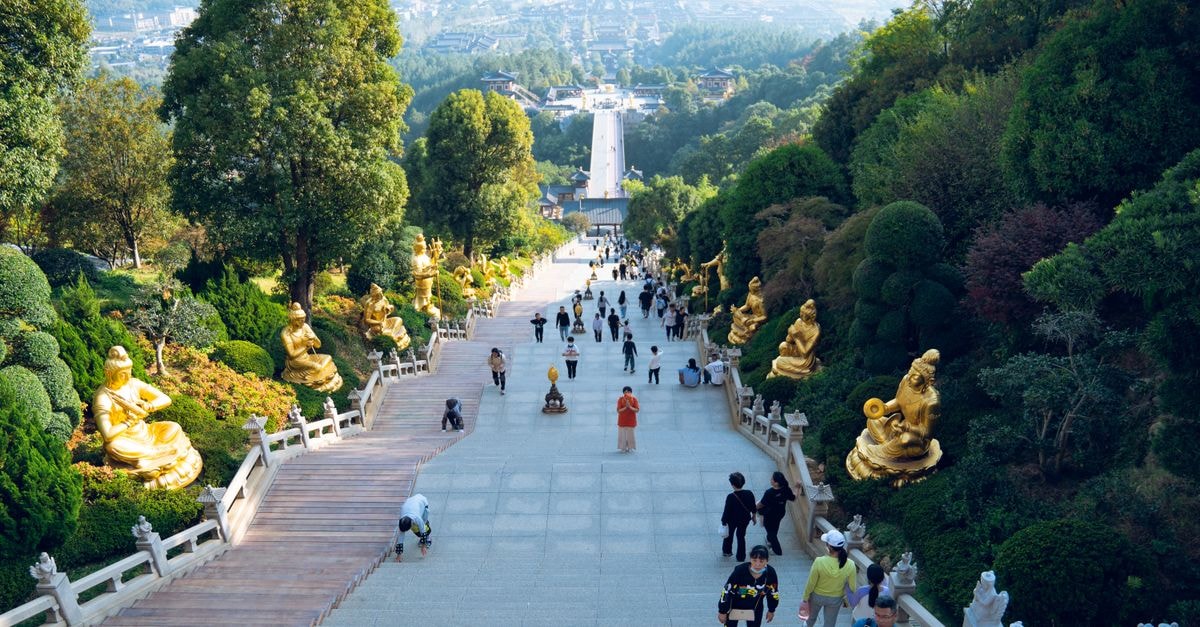
Jiamusi sits in eastern Heilongjiang, where the Songhua, Heilong and Wusuli rivers quietly meet. It is the kind of Chinese city that rewards a slower pace: lakes and forested hills inside the urban area, a wide riverfront, and the sense of a regional capital that still feels unhurried. For independent travellers who like to combine a walkable city centre with a half-day out into nature, Jiamusi works well as a base rather than a checklist stop.
This guide keeps the focus on what the approved facts actually support: a sense of how visitors move around the city, how costs typically feel, and how to read Jiamusi's food scene against the wider picture of Chinese cuisine.
Weather and seasonal context
There is no direct, dated weather statement for Jiamusi in the evidence ledger, so this section stays evergreen rather than guessing temperatures. What is documented is a budget tier tied to travel style: a luxury travel day in Jiamusi is described at ¥700–1,200 per day, with boutique hotels in the city at roughly ¥300–500 per night and a Hezhe cultural lodge in Tongjiang at ¥150–200 per night (F1-2). For visitors who like to plan around comfort rather than tight budgets, those ranges give a useful anchor.
The ledger also describes a popular day out to Fuyuan, combining a shared taxi (¥200) with entry to Heixiazi Island (¥80) and Bear Park (¥30) for a combined ¥310 per person (F1-1). Because no current weather or seasonal conditions are confirmed, the honest move is to check the forecast close to departure, pack layers for cool evenings along the river, and treat any outdoor day as something to pace rather than rush. Eastern Heilongjiang can feel brisk even outside of winter, so a relaxed walking pace and a backup indoor stop tend to serve visitors well.
If you prefer to keep your schedule flexible, the Fuyuan-style day trip may suit you because the costs are fixed per person and shared, which removes some of the pressure of haggling on the spot. Travellers who dislike long vehicle days may want to reconsider: the same ledger does not include travel times, so the comfortable pace of the trip is something to verify before committing a full day.
Getting around
Several itinerary-style guides mention a three-day, two-night Jiamusi trip, a two-day, one-night plan, and a recommended itinerary in the city (F2-1, F5-2). None of those sources give a transport timetable, so specific bus numbers, train times, or flight schedules are deliberately left out here. What the ledger does support is the shape of a stay built around short hops between parks, squares, and the river.
A commonly referenced loop pairs Sifeng Mountain with Shuiyuan Mountain Park on one day, and Jiamusi Ice and Snow World, Songhuajiang Square, and a local zoo on another (F5-2). Sifeng Mountain is described as an ecological tourist area inside Jiamusi, with a vast lake ringed by mountains, which suits visitors who like scenery within an easy ride of the centre. Songhuajiang Square sits on the Songhua River and works as a natural anchor point for slower walks.
One note of caution: the ledger flags an environmental protection project in the Jiamusi area that is described as under construction (F4-2). Because the exact site is not named, the safest interpretation is that some landscape or riverside works may be ongoing. Visitors who are sensitive to construction noise or temporary path closures may want to ask locally which sections are open on the day.
The same ledger also reminds travellers to avoid taking photos or causing disturbances in certain settings (F2-2). Read as a general etiquette cue rather than a specific rule, this is a useful reminder for riverside squares, religious or memorial sites, and anywhere a notice asks for quiet.
Independent travellers who prefer to set their own rhythm may find Jiamusi easy to manage: the city is compact enough to rely on taxis and short rides between the few anchor sights listed above. Travellers who dislike planning transit on the fly may want to reconsider, since the evidence here does not include specific taxi apps, bus routes, or station maps, and some of those details are best confirmed locally or through a hotel concierge before heading out.
Food and local context
Jiamusi does not have a confirmed city-level cuisine in the ledger, so it is more honest to frame eating here against the wider picture of Chinese food culture. The approved sources describe Chinese cuisine as a tradition built on regional diversity and balance, with eight major cuisines that each carry their own character (F6-1, F7-1, F7-2). Visitors can expect that same sense of regional variety to show up in Jiamusi's restaurants, with northern Chinese staples and Heilongjiang-influenced dishes sharing menus with Sichuan, Northeastern, and home-style options.
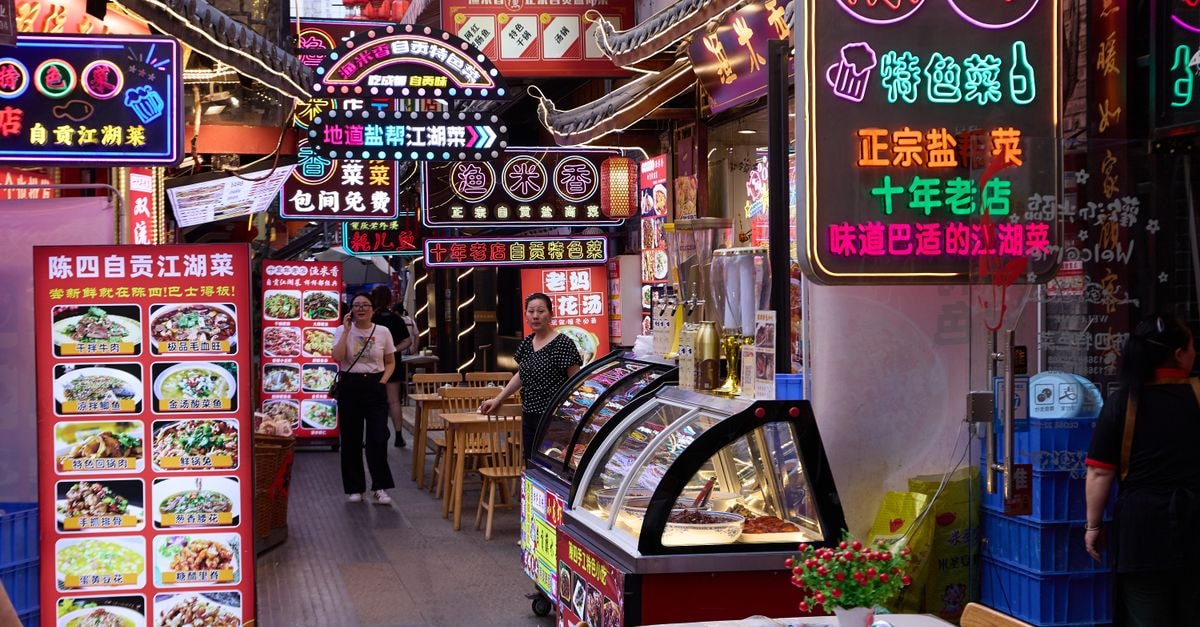
Because no Jiamusi restaurant, market, signature dish, or price list is in the evidence, this guide deliberately avoids naming any. A practical approach is to treat mealtimes as part of the discovery: pick a busy local place near the river or near a square, look for menus with photos if you do not read Chinese, and expect dumplings, noodles, hotpot-style dishes, and grilled skewers to feature heavily, as they do across northern China. Hezhe cultural context also appears in the lodging side of the ledger through the Tongjiang lodge reference (F1-2), which hints at a regional cultural layer worth asking about at your guesthouse rather than assuming you will find it on a city menu.
Readers who enjoy eating as cultural exposure rather than ticking off famous restaurants may find Jiamusi well suited. Travellers who specifically want a documented, named Jiamusi signature dish should pause: that information is not in this guide's evidence, and it is better to ask locally or check a current source than to take a guess as fact.
Choosing what fits your trip
Jiamusi suits travellers who like a compact city with easy outdoor breaks, a riverside atmosphere, and budget choices that can flex from mid-range boutique hotels to cultural-lodge stays in nearby Tongjiang. The ledger favours independent pacing over a rigid schedule: fixed per-person day-trip costs, a small set of anchor sights, and broad Chinese food context rather than a tight list of must-eat dishes. If you prefer cities where every block has a famous landmark or a named food street, you may want to reconsider, because the evidence here points to a quieter, more landscape-led experience. The most honest preparation is light: confirm the weather close to your dates, ask your hotel about any ongoing construction near the sights you plan to visit, and keep meals open for discovery.
A quick note before you go: travel conditions change, so treat the cost ranges and attraction details here as a starting point rather than a guarantee. Check official channels and your hotel front desk for the latest on weather, transport, and any site closures before you set out, and keep small change on hand for shared taxis and entry fees.
Currency note: any Chinese yuan amounts in this guide reflect the original source and are a reference only; the live exchange rate may differ, so confirm before you travel.
Share this article
TOOLS FOR THIS PLAN
Make the Jiamusi plan measurable
Choose a tool only when it answers the next question in your trip. Your values stay in the browser, and each tool offers a route back to this planning context.