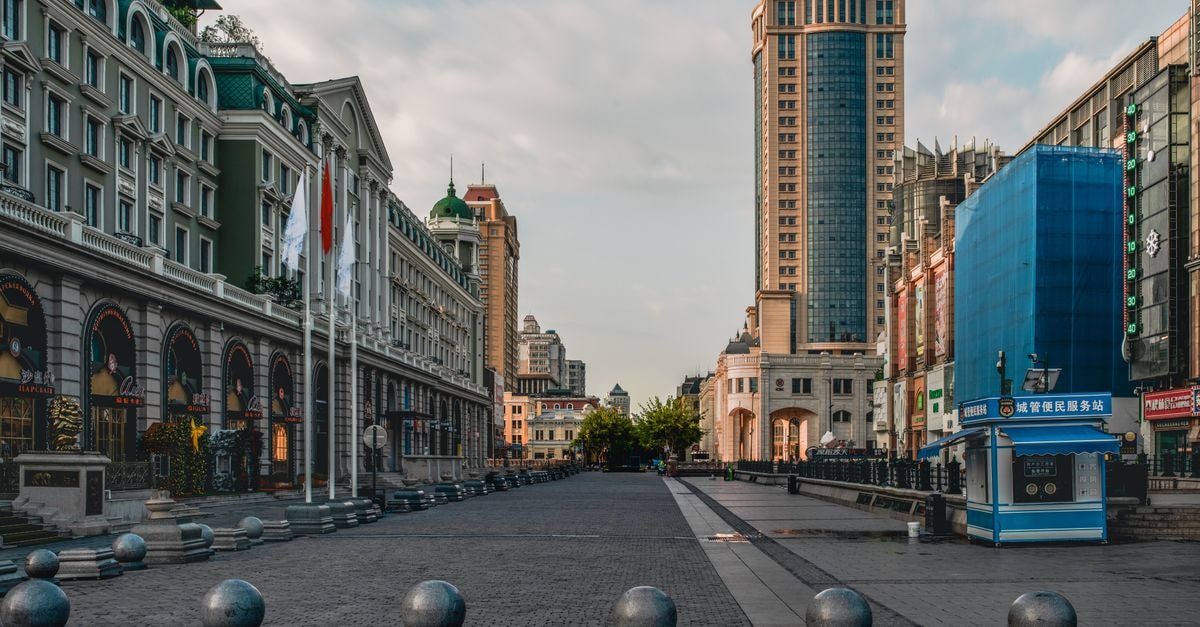
A first look at Hegang

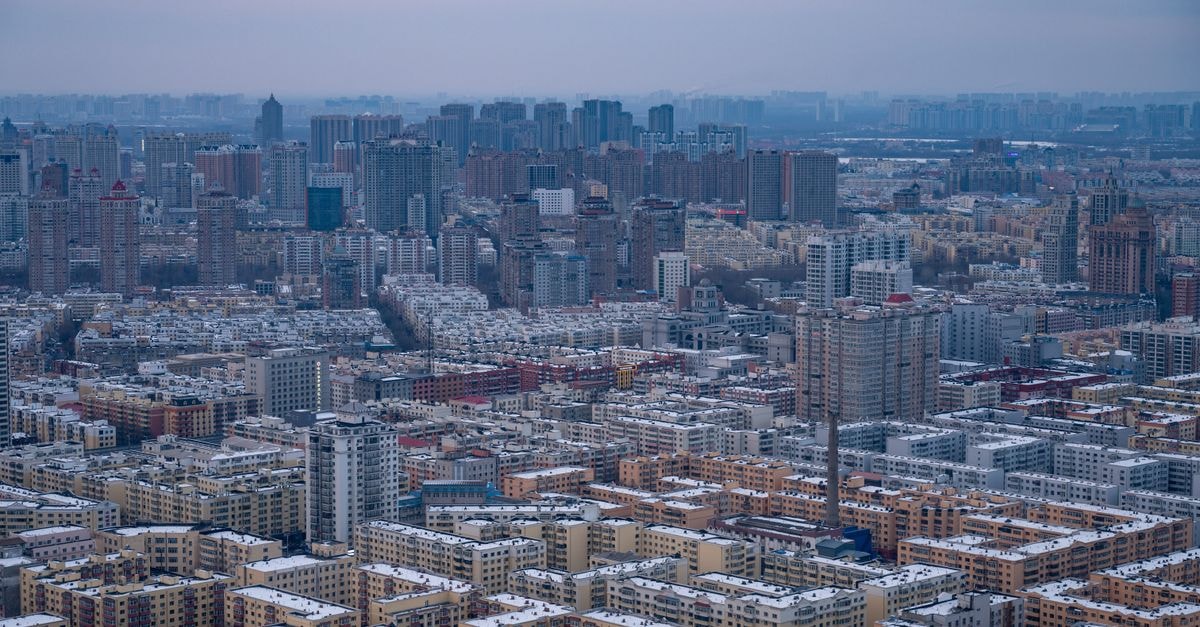
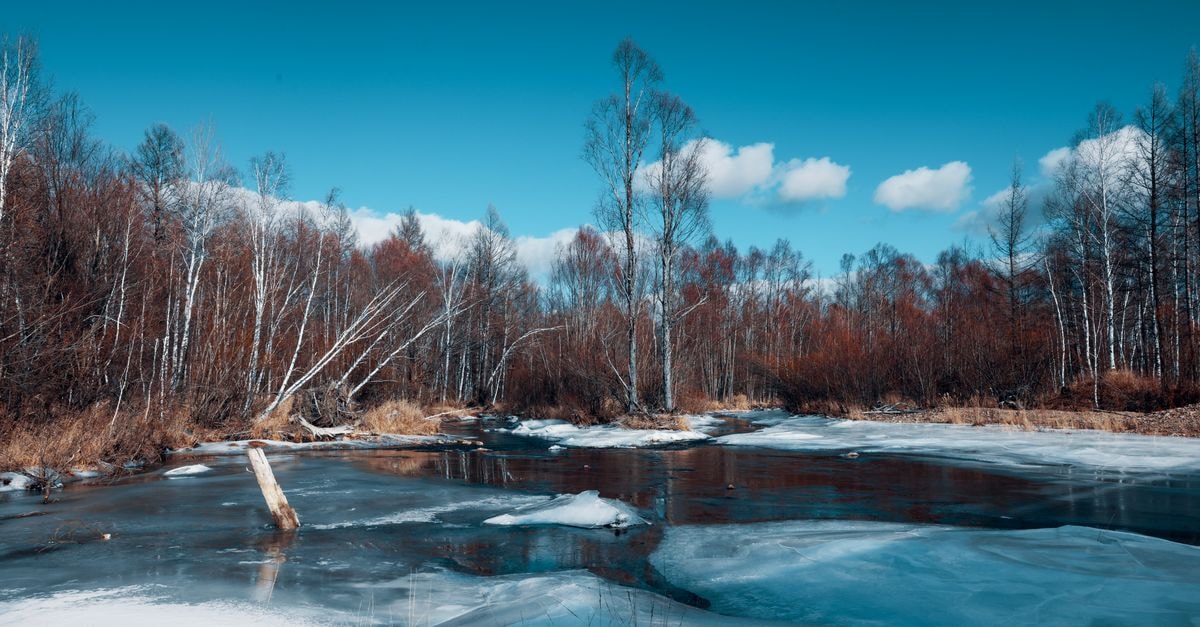
Far up in the northeast corner of Heilongjiang, Hegang sits in a landscape that feels closer to Siberia than to the polished skylines most visitors picture when they think of China. The city is small by Chinese standards, built on a long history of coal mining and ringed by some of the most extensive boreal forest in the country. Travelers who make the journey here are usually looking for exactly that contrast: a place where nature is loud, history is visible in the streets, and the rhythm of the day is unhurried.
This guide keeps the focus on what is actually useful for a visitor: the texture of the climate, how people move around the city, and the parks and heritage sites that shape a stay. It is written as evergreen city guidance, so any detail that would require an up-to-the-minute check is left out rather than guessed.
Weather and seasonal context
Hegang is the kind of place where a packing list changes dramatically depending on when you arrive. The climate is widely known for shifting through strong, distinct seasons, and local commentary consistently notes that travelers should think in terms of layered wardrobes rather than a single suitcase. Daytime and nighttime temperatures can feel like different trips, and shoulder periods often swing quickly between mild afternoons and cold evenings.
For a practical mindset, the most useful thing a visitor can do is treat the city as a four-season destination and plan clothing for the specific window of the trip rather than for a generic average. Historical climate reanalysis for the city is sampled from the ECMWF ERA5 dataset, which is the standard global reference for long-term weather patterns. That data backs up the same general impression: this is a continental climate with real swings, not a place where one outfit will quietly get you through the week. Because the source material describes long-term patterns rather than live conditions, the only responsible advice is to dress for the season you are actually in and to expect noticeable day-to-day variation.
Getting around
Public buses are the workhorse of the local system and reach most of the neighborhoods a visitor is likely to want to see, but they do have real limitations. Coverage is broad, but accessibility for travelers with mobility challenges is generally limited, which is worth factoring in if anyone in your group needs step-free boarding, extra space or frequent stops. Taxis and ride-hailing services fill in the gaps for shorter hops, late evenings and any route the bus network does not serve well, while rental cars and drivers are the most flexible option for reaching the outlying forest and river sites that sit beyond the urban core. River or sea travel options are not relevant for Hegang, so the city's transport is organized entirely around land-based services. The city is laid out in a way that rewards a slow, mixed approach: buses for the in-town rhythm, a taxi or car for the longer pulls out to the parks.
Parks, the river and heritage sites
The attractions most often highlighted in guide coverage cluster in three places: Tianshui Lake Park, Mingshan Island on the Heilongjiang River, and Songhe West Lake Park, together with the Hegang Museum and the broader mining heritage context that frames the city. Mingshan Island, set within the Heilongjiang River, is reached from the riverbank. The Hegang Museum, introduced as a journey through time and a gateway to the legacy of the Dragon River, anchors the heritage side of a visit. Beyond the urban core, Hegang National Forest Park is a vast forest park covering tens of thousands of hectares of pristine boreal forest, according to the source material, and represents the largest single natural draw in the region.
Planning notes for a slow trip
A few practical considerations help shape a comfortable stay. First, treat the climate as a real factor: layered clothing, wind protection and footwear suited to both urban walking and forest trails will cover most situations. Second, build your transport around a mix of buses for in-town movement and a car or taxi for the longer runs to the forest park and the river island, and keep accessibility needs in mind if anyone in your group requires step-free options. Third, give yourself time. Hegang is not a place that rewards a tight checklist; the appeal is in slow walks around the lake parks, a few hours in the museum, and at least one longer outing into the boreal forest or out to the river.
Prices, opening hours, schedules, reservation rules, and local conditions can change; verify them through official channels before departure.
Share this article
TOOLS FOR THIS PLAN
Make the Hegang plan measurable
Choose a tool only when it answers the next question in your trip. Your values stay in the browser, and each tool offers a route back to this planning context.