Setting the scene in central Hubei

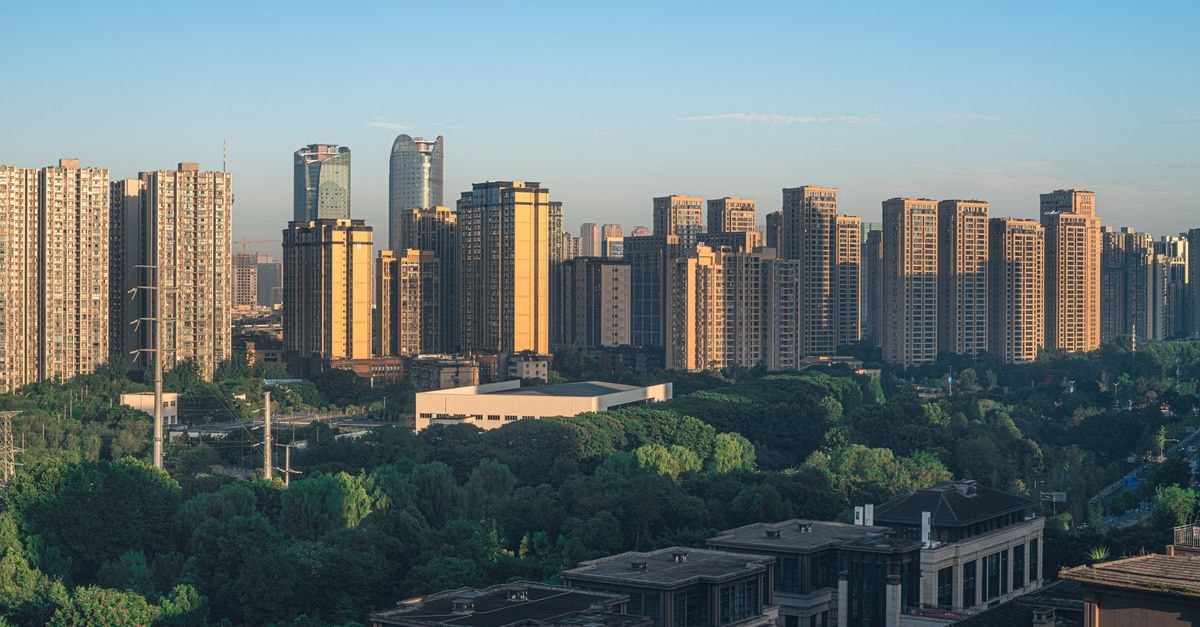
Jingmen sits in the heart of Hubei province, a quietly positioned inland city whose name literally translates to the gate to Jingzhou. That poetic label hints at the city's long role as a waypoint between older cultural centers of the central Yangtze region, and it remains useful framing for any traveler trying to place Jingmen on a map of China. The city's identity today is shaped by two overlapping currents: a network of roads and rail lines that makes it a recognized transport hub inside the province, and a deep historical sediment that includes Neolithic remains from the Qujialing culture, ancient Han dynasty tombs, and the more elaborate Ming dynasty Xianling Tomb.
For visitors, that pairing means Jingmen rewards a slower, more reflective pace. It is not a city of neon skylines or headline-grabbing landmarks, but rather a place where the layers of central Chinese history are unusually close to the surface. Understanding that dual character, provincial crossroads on one side, ancient burial grounds and cultural sites on the other, is the best way in.
Getting around and reaching Jingmen
Jingmen's reputation as a transport hub inside the province is one of its most practical advantages. Because it sits centrally in Hubei, the city is the kind of place that travelers often pass through on rail or road connections between other destinations, rather than fly directly into from abroad. For visitors building a route through central China, this positioning can work in your favor: it is the sort of city where arrival logistics are straightforward once you are already in the region.
The historical geography is also quietly useful. The very name Jingmen, the gate to Jingzhou, points travelers toward the older administrative center of Jingzhou to the south. If your broader itinerary includes that area, Jingmen can sit naturally as a midpoint stop rather than a detour, especially given its role as an internal Hubei transport node.
Within the city itself, moving between historical sites is the main practical task. The Ming dynasty Xianling Tomb, the Han dynasty tomb clusters, and the Qujialing culture remains are spread across the wider Jingmen area, so planning your day around grouping nearby sites will make the experience feel less rushed. Travelers who prefer to lean on regional connections rather than navigate an unfamiliar city from scratch may find Jingmen suits a route-based approach: arrive, orient yourself around the historical geography, and let the transport network do the heavy lifting.
A city layered with history
What gives Jingmen its particular texture is the sheer depth of its historical record. The Qujialing culture remains are Neolithic, meaning they sit at the foundations of agricultural settlement in the middle Yangtze region, long before the imperial era. Above that, Han dynasty tombs in and around the city point to a period when this part of Hubei was an established center of elite burial and ritual practice. The Ming dynasty Xianling Tomb, associated with a Ming-era royal figure, brings the story forward into much more recent history and offers a very different architectural experience from the earlier earthen tombs.
For travelers interested in Chinese imperial and pre-imperial history, this layered quality is the main reason to slow down in Jingmen. Rather than one single must-see monument, the city offers a chance to read across time, from prehistoric settlement through Han ritual culture to Ming funerary architecture. Visitors who enjoy historical sites and are comfortable moving between different periods and styles may find Jingmen especially rewarding, because each site contextualizes the others in a way a single landmark cannot.
A useful mindset here is to treat the historical geography as the itinerary. The Han tombs, the Qujialing remains, and Xianling are not interchangeable stops; each represents a distinct era, and giving yourself space to notice the differences, in scale, in construction, in what was considered worth preserving, is where the trip earns its weight.
Weather and seasonal context
Jingmen's inland Hubei location means it sits within a humid subtropical climate zone, with generally mild winters and warm, humid summers. Conditions can shift between cool, damp stretches and warm, muggy days, and rainfall tends to be well distributed through the year rather than concentrated in a single monsoon burst. For travelers, that translates into a few simple, evergreen considerations rather than any strict seasonal rule.
Light layers that can be added or removed are useful at any time of year, because indoor sites and outdoor tomb complexes can feel quite different in temperature. Comfortable walking footwear matters more than fashion choices, given the uneven ground around many historical sites. Visitors who prefer to avoid the heaviest humidity may want to pace outdoor visits toward the cooler parts of the day, while those who do not mind warmer, damp conditions will find the city workable year-round. As with any inland Chinese city, checking the short-range forecast before you go is more useful than relying on a general sense of the season.
Food and the wider Chinese table
Jingmen does not appear in the approved evidence as the home of a specific named cuisine or signature dish, so it is more useful to think about food here as part of the broader Chinese dining landscape. China is well known for its eight major regional cuisines, each with its own flavor profile, ingredient preferences, and cooking techniques, and travelers moving through Hubei will inevitably encounter that variety in everyday meals.
For travelers, the honest approach is to treat meals as a way to explore the regional table rather than to hunt for a single signature dish. Local restaurants, neighborhood markets, and simple noodle shops will usually offer a more honest read on a place than any themed dining venue. Travelers who enjoy comparing regional cuisines across China may find Jingmen a useful checkpoint, while those looking for a specific, named Jingmen specialty may need to look beyond the approved evidence and verify local recommendations on the ground.
Choosing what fits your trip
Given Jingmen's character, a useful way to decide how to approach the city is to think in terms of what kind of traveler you are rather than how long to stay. If your interest is imperial and pre-imperial Chinese history, and you are comfortable with sites that ask for some walking and patience rather than polished presentation, Jingmen's tomb complexes and Neolithic remains are the main reason to come. If you are mainly using Hubei as a transit region and want a single worthwhile stop between larger cities, the Xianling Tomb and the broader historical geography offer a compact, coherent half-day or full-day experience without requiring deep planning.
A note before you go
Historical site opening hours, ticket policies, and access conditions can change, and transport schedules shift with the season, so it is worth confirming details through official channels before travel. Rates and prices referenced in any guide reflect the moment of writing and should be checked against current information. A short verification question worth asking locally is which Han dynasty tomb sites near the city center are currently open to visitors, since this can shape how you group your day.
Share this article
TOOLS FOR THIS PLAN
Make the Jingmen plan measurable
Choose a tool only when it answers the next question in your trip. Your values stay in the browser, and each tool offers a route back to this planning context.