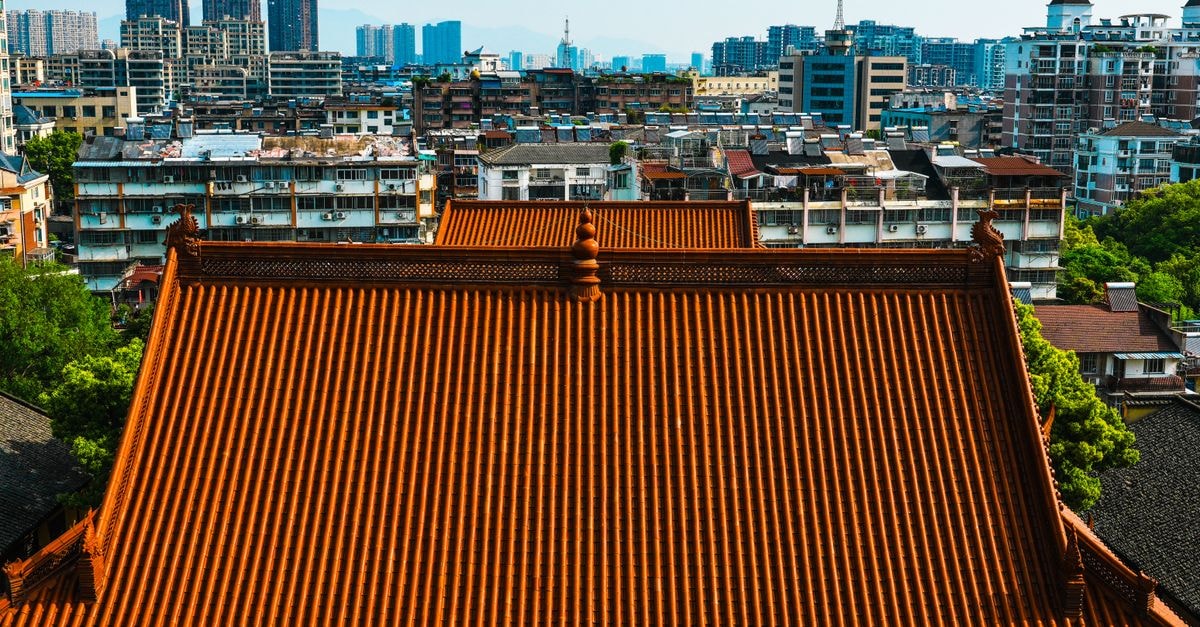
A Quiet Riverside City Where Industry Meets Greenery

Huangshi sits on the northern bank of the Yangtze River in Hubei Province, and that single sentence already hints at the texture of a visit. The city reads like a conversation between two very different characters: one is industrial, the other is green. Travelers who arrive expecting only factories are surprised by the lakes and mountain ridges, while travelers who come only for scenery find a deeper story in the mining and metallurgical history the city is known for. It is this blend that gives Huangshi its particular rhythm, and a slow, curious approach tends to suit it well.
The area is often described as a fascinating blend of industrial grandeur and natural harmony, a phrase that captures both the rust-orange textures of its mining heritage and the softer palette of its waterways. The city holds a place in China's mining story as the so-called pearl of mining and metallurgy, which is less about polished presentation and more about an honest, working heritage you can feel as you move around.
Weather and Seasonal Context
One of Huangshi's quietly appealing qualities is how the landscape offers natural relief when nearby cities feel heavy with summer heat. The region is dotted with vast lakes, continuous green mountains, and extensive shaded trails, which together create a setting where you can slow down without feeling overwhelmed. Travelers often look to it precisely for that reason, choosing it as an escape from the higher temperatures of surrounding areas.
That said, weather in this part of Hubei can feel warm and humid for long stretches of the year, so it helps to plan days around shade and water. Mornings and late afternoons tend to be the most comfortable window for exploring trails and lakeside paths, while the middle of the day is better spent indoors or near water. The shaded trails across the green belts are one of the city's quiet luxuries, and they are worth building a slow afternoon around rather than rushing through.
Because climate patterns shift year to year, treat any seasonal impression as a gentle suggestion rather than a rule. Pack breathable layers, keep water handy, and leave room in your day for a longer pause under a tree.
Getting Around to the Mining Heritage
The mining story in Huangshi is anchored by a specific landmark that gives visitors a clear sense of place: the Huangshi National Mining Park, set within the Dazhi Iron Mine in Tieshan District. Knowing this location helps frame the rest of the city, because the heritage trails, museum spaces, and reclaimed industrial landscape all sit inside or near this district. If your interest is the industrial-to-natural transition the city is known for, this is the area to give the most time to.
For practical movement, Huangshi sits within a regional transport network in eastern Hubei, and the city's districts connect through a mix of local roads and intercity links along the Yangtze corridor. A slow-travel approach works best here: rather than trying to tick off the whole region in a single day, focus on one or two districts and let the landscape open up around you. The Tieshan area in particular rewards unhurried walking, since the scale of the mine sites and the surrounding greenery only really registers on foot.
Within the city itself, taxis and ride-hailing are typically the simplest way to bridge distances between the riverfront, the lakes, and the mining park, especially in warmer weather when walking between far-flung sights can be tiring. Local buses do serve the districts, but schedules can feel infrequent for visitors, so it is worth confirming a current timetable locally before relying on them for a tight day.
Food and Local Context
Food in Huangshi sits inside a much wider Chinese dining world, and understanding a little of that context makes meals feel richer rather than overwhelming. Food is treated as one of the great everyday pleasures across the country, and the region is known for one of the world's most varied cuisines, with regional differences that reward curiosity. Visitors used to a single style of Chinese cooking will quickly notice how the pace, table customs, and flavors shift as they move between regions.
China also has a long history of ritual and etiquette around the table, and dining customs have developed to a high degree over centuries. In practice, this shows up in small, generous details: shared dishes placed in the center, tea poured for others before yourself, and a relaxed rhythm that treats the meal as a social event rather than a quick refuel. For travelers, the easiest way to engage with this culture is to match its pace. Sit a little longer, ask what is in the pot, and let the host or restaurant staff guide the order of dishes.
Within Huangshi itself, meals tend to follow the broader patterns of Hubei cooking, with freshwater fish from the Yangtze and its connected lakes featuring prominently, alongside hearty staples suited to a working city with a mining past. Because specific menus, prices, and opening hours change frequently, it is best to ask locally for current recommendations rather than rely on any fixed list. Street food, small neighborhood restaurants, and teahouses all offer windows into the everyday rhythm of the city, and each is worth stepping into at least once.
A Few Practical Notes
Budgeting for Huangshi is straightforward once you separate the layers of the trip. Meals and local transport are typically the most visible daily expenses, while hotels and intercity travel depend heavily on your origin and style. Rates fluctuate, so treat any figure you see online as a reference point rather than a guarantee, and check the current rate before committing to bookings.
Because opening hours, ticket availability, and seasonal access at individual sites can shift, always confirm details through an official channel shortly before you go. The Huangshi National Mining Park and surrounding heritage sites are the kind of places where a quick local check can turn a good day into a great one, especially if a guided tour or special exhibition is running.
Above all, give Huangshi permission to be slow. The lakes, the shaded trails, the rust-colored mining landscape, and the wider Chinese dining culture all reward a traveler who lingers rather than rushes, and that is perhaps the most practical advice of all.
*Factual travel conditions can change. Please verify weather, transport, opening hours, and ticketing details through official channels before departure.*
Share this article
TOOLS FOR THIS PLAN
Make the Huangshi plan measurable
Choose a tool only when it answers the next question in your trip. Your values stay in the browser, and each tool offers a route back to this planning context.