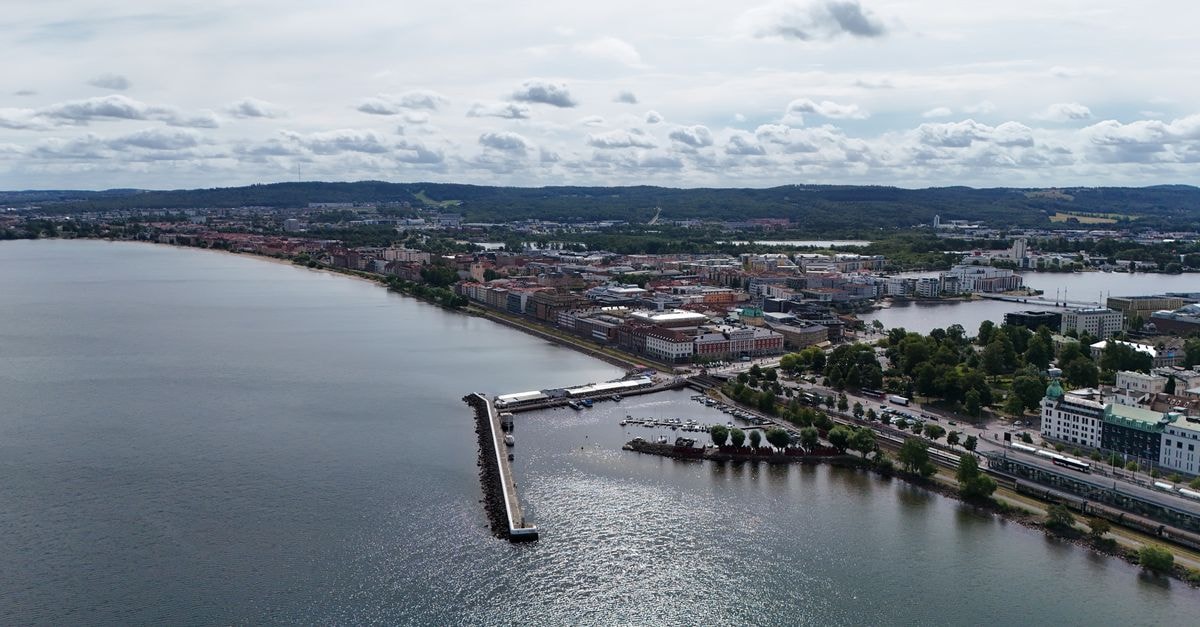
There's a particular kind of quiet that settles over the southern tip of Lake Vättern, where Jönköping sits with a kind of confident ease. The city reads small at first glance, but a few steps past the waterfront reveal galleries, forested hills, and a rhythm that feels distinctly Swedish. Whether you're rolling in for a long weekend or pausing here between longer stops in the region, Jönköping rewards travellers who like their cities gentle, walkable, and threaded with green space.

This guide leans into the essentials: what the lakeside setting actually gives you, how to move through the city and the surrounding landscape, and the wider Swedish customs you may bump into while dining, queuing, or sharing a fika table with locals. Think of it less as a checklist and more as a calm orientation before you go.
Lakeside setting and natural rhythm
Jönköping is beautifully situated at the southern end of Lake Vättern, and that single geographic detail shapes almost everything about how the city feels on the ground. The waterfront pulls the eye outward, and the nearby forests and hills offer a different texture entirely, with hiking, berry-picking, and easy weekend nature escapes within reach of the centre. Travellers who like to balance urban wandering with outdoor breathing room tend to slot into Jönköping comfortably: a morning by the lake, an afternoon wandering streets, an evening trail or a quiet picnic on the edge of town.
Because the green spaces are so close, the city invites a slower pace. You can structure a day around short outings rather than racing between sights, and that unhurried rhythm is part of the appeal. The forests around Jönköping carry a particular appeal in the warmer months, when berries ripen and daylight lingers, but they remain a year-round draw for anyone who enjoys a quiet walk on the edge of a city.
Arts, history, and a sense of place
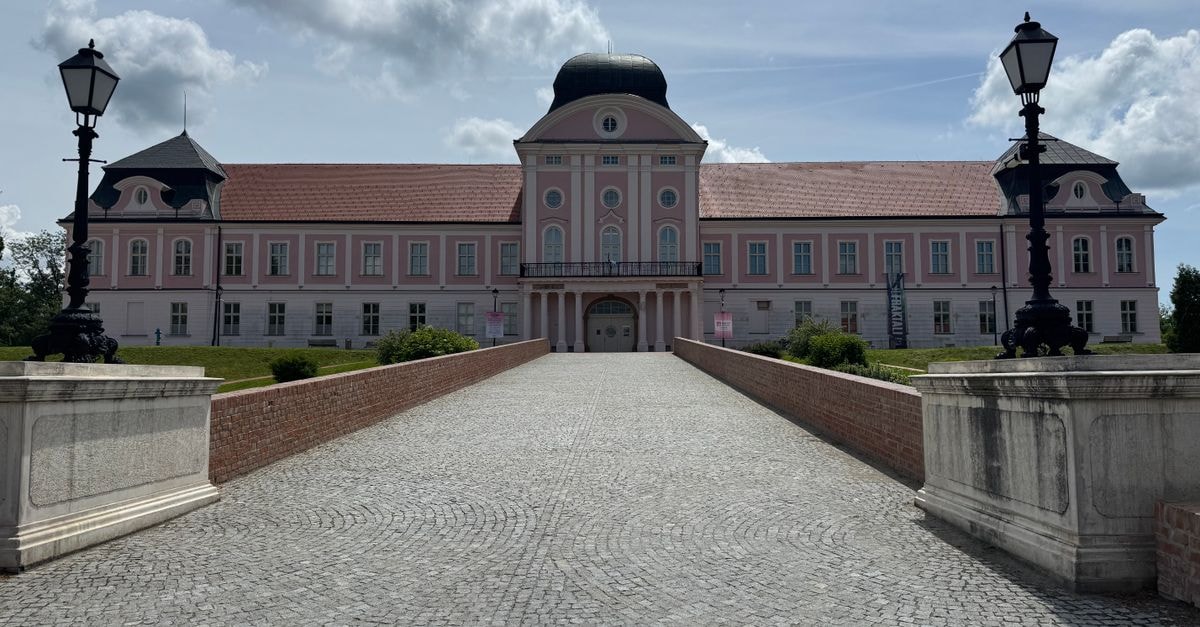
The cultural side of Jönköping is understated rather than sprawling, which makes it easy to approach without a packed schedule. Jönköpings konsthall is a contemporary art gallery in central Jönköping, presenting changing exhibitions by Swedish and international artists, so what's on display shifts from visit to visit. For travellers who enjoy letting a gallery set the tone of a trip, it's a natural anchor point in the centre of the city.
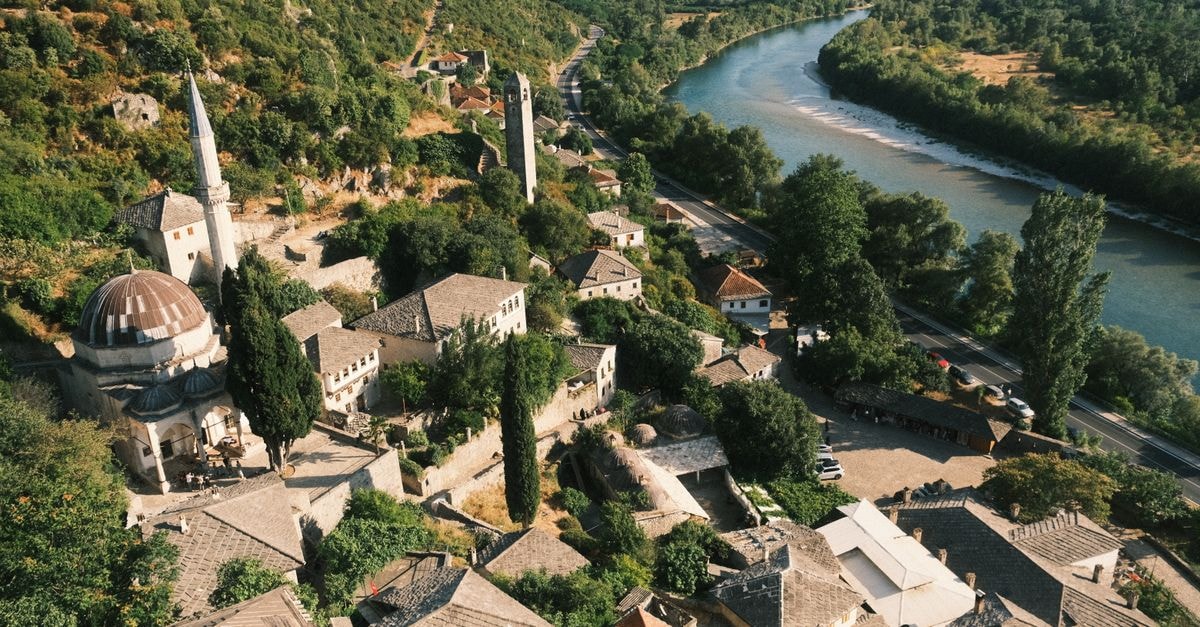
For something with a more dramatic backdrop, Brahehus is a 17th-century castle ruin overlooking Lake Vättern and counts as one of the region's most photographed and iconic historic sites. The combination of ruined stonework and wide lake views gives it the kind of moody, romantic quality that pairs well with a slow afternoon and a thermos of coffee. Both stops sit comfortably into a day without demanding long transit, which suits the way most travellers want to experience the city.
Business travellers will also notice that the Elmia exhibition centre hosts major trade fairs, which quietly shapes Jönköping's identity as a regional business hub. You don't have to be attending an event to feel this presence; it shows up in the variety of places to stay, eat, and meet, and it means the city's infrastructure is built to handle visiting crowds without feeling overwhelmed by tourism.
Getting around and finding a base
Because the city centre is compact and the lakeside is so central, having a car is optional rather than essential for most visitors. Walking handles the daily rhythm, and regional buses or trains handle longer hops when you want to explore the wider area.
Food, fika, and the wider Swedish table
Food in Jönköping sits comfortably inside the wider Swedish food and beverage culture, which visitors are likely to encounter in some form during their stay. Sweden as a whole is a destination where visitors can experience everything from unexpected traditional dishes to the latest innovations in modern cuisine, and that range tends to show up in Jönköping's restaurants, cafés, and hotel dining rooms. Rather than hunting for a single signature dish, travellers tend to enjoy the city most by sampling what's on offer wherever they end up: a hearty lunch plate, a sweet pastry, or a modern tasting menu.
Fika, the Swedish tradition of pausing for coffee and something sweet, is a small ritual worth adopting on a Jönköping trip. It's less about caffeine and more about slowing down for ten or fifteen minutes, and you'll find it woven into cafés across the city. Treat it as a soft daily habit rather than a scheduled activity.
Understanding traditional Swedish customs and cultural etiquette is one of the most rewarding ways to enrich a visit, and a few small habits tend to come up again and again. Swedes generally value personal space and a calm tone in public, queues are respected, and table manners are understated rather than formal. If you're sharing a meal or a coffee with locals, a relaxed pace and a quiet voice go a long way. None of this is complicated, but noticing it makes everyday interactions feel smoother and a touch warmer.
Pacing your days
The shape of a Jönköping day tends to be simple: start by the lake, dip into a gallery or two, spend part of the afternoon outdoors, and ease into the evening with a long meal or a fika stop. Because the forests, hills, and waterfront are all close, you can shift the balance depending on your mood, and the city never feels like it's demanding too much of you.
Travellers who like their trips to feel unhurried will find Jönköping especially well matched to that instinct. The city doesn't ask to be conquered; it asks to be wandered, and that's a generous kind of place to spend a few days.
A final note before you go: travel conditions shift, transport schedules update, and exhibition calendars change. Treat this guide as a starting point and double-check opening hours, fares, and event dates through official channels before you travel, so your visit lines up with what's actually on when you arrive.
Share this article
TOOLS FOR THIS PLAN
Make the Jönköping plan measurable
Choose a tool only when it answers the next question in your trip. Your values stay in the browser, and each tool offers a route back to this planning context.