A first impression of Jyväskylä

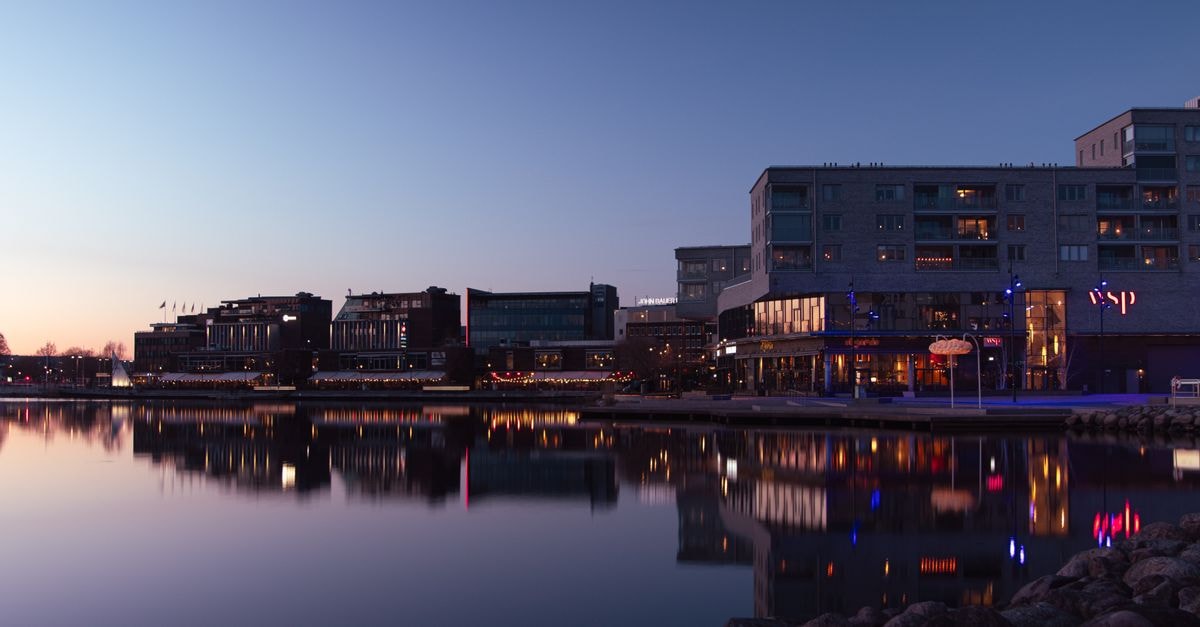
There's a particular kind of quiet that settles over a Finnish Lakeland city, and Jyväskylä wears it lightly. The town sits in the heart of Central Finland, tucked inside what is widely described as the largest lake district in Europe, and that geography shapes everything from the colour of the morning light to the pace of an afternoon stroll. Visitors tend to notice the water first — a glint between buildings, a footbridge over a slow-moving channel, the sense that the town is threaded through with shoreline rather than set against it.
What makes Jyväskylä feel distinct within Finland is its architectural thread. The city is closely associated with the work of Alvar Aalto, and a cluster of his buildings sits close to the centre, giving the urban landscape a cohesive, mid-century elegance that is rare this far north. Around the university, that thread turns everyday: cafés spill onto pavements, students move between libraries, and the lake is never more than a few blocks away. It reads, comfortably, as a city built for living in rather than simply passing through.
This guide is meant for travellers planning their first independent visit — people who want to understand the setting, move around with confidence, and know what kind of pace suits the place before they book anything.
Weather and seasonal context
Jyväskylä lives with its seasons in a way that visitors from milder climates sometimes underestimate. Because the city sits within the lake district, the same trails and waterways that draw people outdoors in the warmer months are described as ideal for paddling, fishing, and cross-country skiing in winter. That duality is useful to know in advance: the landscape you arrive in is genuinely the same landscape, just dressed differently. Travellers tend to find that dressing in layers and treating the weather as part of the experience — rather than an obstacle to it — makes the city far more enjoyable.
For couples, the climate and the scale of the town combine in a way that often suits a slower rhythm. Architecture by Alvar Aalto, cosy cafés around the university, and lakeside walks are all within an easy walk of one another, which means a short stay can feel unhurried rather than compressed. The practical takeaway is to plan fewer anchor activities per day and leave room to drift along the waterfront between them; the city rewards that kind of pacing.
Because conditions shift through the year, it is worth checking a reliable local forecast close to departure, and packing with the assumption that an outdoor café lunch can turn into a lakeside walk that needs an extra layer.
Getting around
Jyväskylä is genuinely walkable at its core. The lake district setting means that many of the most rewarding views are simply the ones you stumble across while walking between buildings, and the Aalto2 museum centre sits at the heart of that walkable area, with the Museum of Central Finland next door. The two share an Aalto-designed campus, and together they form what locals refer to as the Aalto2 museum centre — a useful single anchor when planning an afternoon, since you can see both without crossing town.
Reaching the city by rail is straightforward, and arriving by train is one of the more pleasant ways to settle into the rhythm of Central Finland. The approach itself is part of the experience: the landscape opens up as you move deeper into the lake district, and stepping off the platform into a smaller, calmer city tends to feel like a soft exhale after longer journeys elsewhere in Finland. From the station, the centre, the university quarter, and the waterfront are all within easy reach on foot, so a taxi for the first or last leg of the trip is usually enough.
For days when you want to range a little further — along the lake edges, into surrounding forest trails, or to quieter neighbourhoods — local buses fill the gaps that walking can't cover. The compact size of the city means journey times tend to be short, and most of what a first-time visitor wants to see sits close enough together that a full day of back-and-forth transit is rarely necessary.
A note before you go
A few small habits make a Jyväskylä visit feel smoother. Because the city sits inside the lake district, the waterfront is genuinely part of daily life here, and orienting yourself with the water on your first walk helps the rest of the map fall into place. Building time around the Aalto2 campus and the lakeside paths — rather than trying to chain long cross-town routes — keeps the pace relaxed and the energy up. And as with any travel plan, the practical details in this guide reflect what is generally true of the city; specific opening hours, ticket options, transit timetables, and seasonal availability should be confirmed through official channels before you travel, since conditions can change.
One final point on budgeting: this guide does not provide a daily cost figure because the approved sources do not set a clear scope for a per-person, per-day range within the city. Rather than estimate, it is more useful to plan with the understanding that walkable distances, café-led meals, and a small number of paid museum visits typically make up most of a first-time visitor's spending. Readers should check current prices directly with venues and transport operators when finalising their plan.
Travel conditions evolve, so official tourism and transit sources for Jyväskylä remain the most reliable reference right up to the day you arrive.
Share this article
TOOLS FOR THIS PLAN
Make the Jyväskylä plan measurable
Choose a tool only when it answers the next question in your trip. Your values stay in the browser, and each tool offers a route back to this planning context.