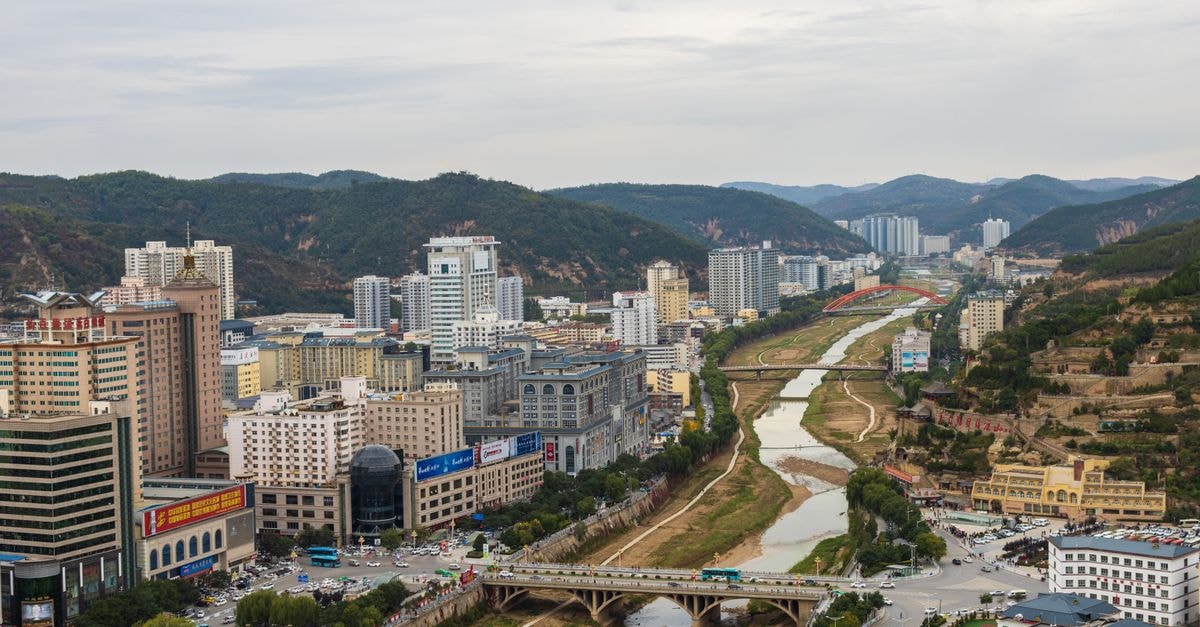
A Slow Welcome to Kaifeng

There is something quietly appealing about a city that was once an imperial capital and has now settled into an unhurried, lived-in kind of rhythm. Kaifeng, set in Henan province in central China, carries that kind of atmosphere. The streets feel layered with older stories, and the everyday corners — markets, teahouses, parks — tend to feel as central to a visit as any monument. For travelers who enjoy getting a sense of place rather than racing through a checklist, Kaifeng rewards a relaxed pace.
A practical note before any deeper planning: the specific conditions of any given day — temperatures, opening hours, ticket windows, transit changes — can shift, and the local tourism authorities or your lodging will always have the freshest information. The notes below are designed as a sturdy, evergreen orientation rather than a fixed itinerary.
Weather and Seasonal Context
Anyone thinking about when to visit Kaifeng quickly discovers that the city sits in a part of China with clearly distinct seasons, and the same destination can feel quite different depending on when you arrive. Looking at a year-at-a-glance climate overview is a useful first step, because it helps a traveler understand what kind of clothing, daily rhythm, and indoor-versus-outdoor balance they should expect. The general climate page for Kaifeng is the kind of resource that lays out temperature patterns and rainfall distribution across all twelve months, which makes it much easier to set expectations before booking.
Within that broader picture, late summer in this region can be a particularly warm and humid stretch of the year. That kind of weather tends to shape how a day unfolds: early mornings and evenings are often more comfortable for outdoor wandering, while the middle of the day invites a slow break in a museum, a shaded teahouse, or simply a longer lunch. Travelers who pace themselves around the heat tend to enjoy the experience much more than those who try to push through the hottest hours on foot. Layered, breathable clothing, water, and a willingness to rest are small things that pay off handsomely.
For anyone choosing among many places to consider across China, similar climate overviews exist for other destinations, and reading a couple side by side can be a useful way to compare travel conditions and pick the timing that suits your own comfort. There is no single "correct" window — it really comes down to what kind of weather you enjoy exploring in.
Food and Local Context
Food is often the most enjoyable doorway into a Chinese city, and Kaifeng is no exception. That said, it's worth stepping back for a moment and recognizing that what you'll encounter on a local menu in Kaifeng is part of a much wider, deeply varied Chinese eating culture. The national tourism perspective frames travel in China as going beyond sightseeing — from intangible crafts to cuisine, from street life to ritual, the experience is meant to resonate on a cultural level, not just a visual one. That framing is a useful reminder that a meal out is rarely just a meal: it is one of the most accessible ways to feel the texture of a place.
Within China as a whole, food holds an unusually central place in daily life. The country is widely recognized for having one of the world's greatest and most varied cuisines, and Chinese people are, fairly famously, enthusiastic eaters — which is to say that food is treated with real seriousness, real pleasure, and real curiosity. As a visitor, that enthusiasm tends to translate into lively restaurants, generous portions, and an expectation that you'll linger, talk, and enjoy the table rather than rush through it.
Alongside the food itself, dining in China also comes with a long-developed sense of etiquette. China has a long history of ritual and table manners, and eating has grown into one of the more culturally codified social activities. Visitors don't need to master every rule, but a few small habits — letting the host pour for you, trying a bit of what's offered, joining in on a shared toast — go a long way toward a warmer evening. Most locals are forgiving and even delighted when a foreign guest shows genuine curiosity, and a relaxed, attentive attitude is usually more appreciated than perfect form.
A Few Practical Notes for the Visit
A handful of general habits help any Kaifeng visit feel smoother:
- Carry some cash in small notes alongside mobile payment apps, since not every small vendor operates the same way. - Keep a translation app handy for menu photos and street signs; it opens up small, wonderful encounters. - Wear comfortable shoes. Much of Kaifeng's charm is in its walkable older quarters, and flat, broken paving is the norm rather than the exception. - Ask before photographing people or private courtyards. A quick smile and a nod go a long way.
These aren't city-specific secrets so much as the kind of small courtesies that help any travel day feel lighter.
A Final Note Before You Go
Travel guides are useful for setting a mood and a frame, but they are never a substitute for current information. Opening times, ticketing policies, transit routes, and weather patterns all shift, and the most reliable answers will always come from official tourism channels, your hotel, or up-to-date local sources closer to your actual travel date. Use this guide as a starting point — a way to feel oriented and curious about Kaifeng — and let the live, on-the-ground details fill in the rest.
Above all, give yourself permission to slow down. Cities like Kaifeng tend to reveal themselves to visitors who wander a little, sit down for an unhurried meal, and let the day's rhythm come to them rather than the other way around. That, more than any single sight, is what tends to make the visit memorable.
Prices, opening hours, schedules, reservation rules, and local conditions can change; verify them through official channels before departure.
Share this article
TOOLS FOR THIS PLAN
Make the Kaifeng plan measurable
Choose a tool only when it answers the next question in your trip. Your values stay in the browser, and each tool offers a route back to this planning context.