A river runs through it

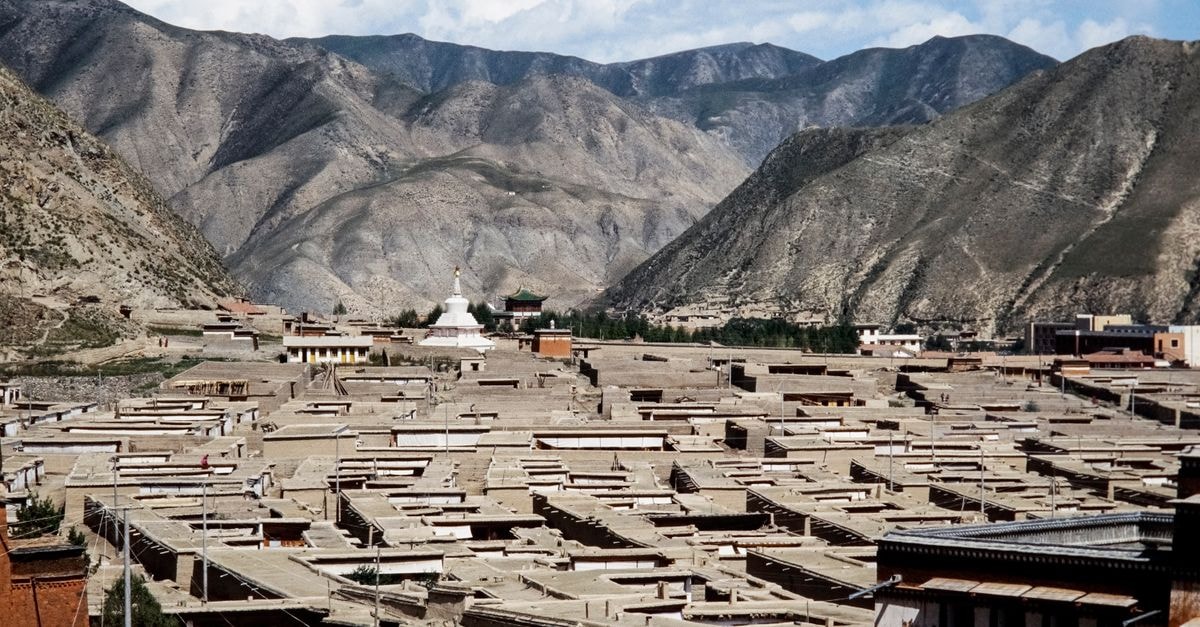
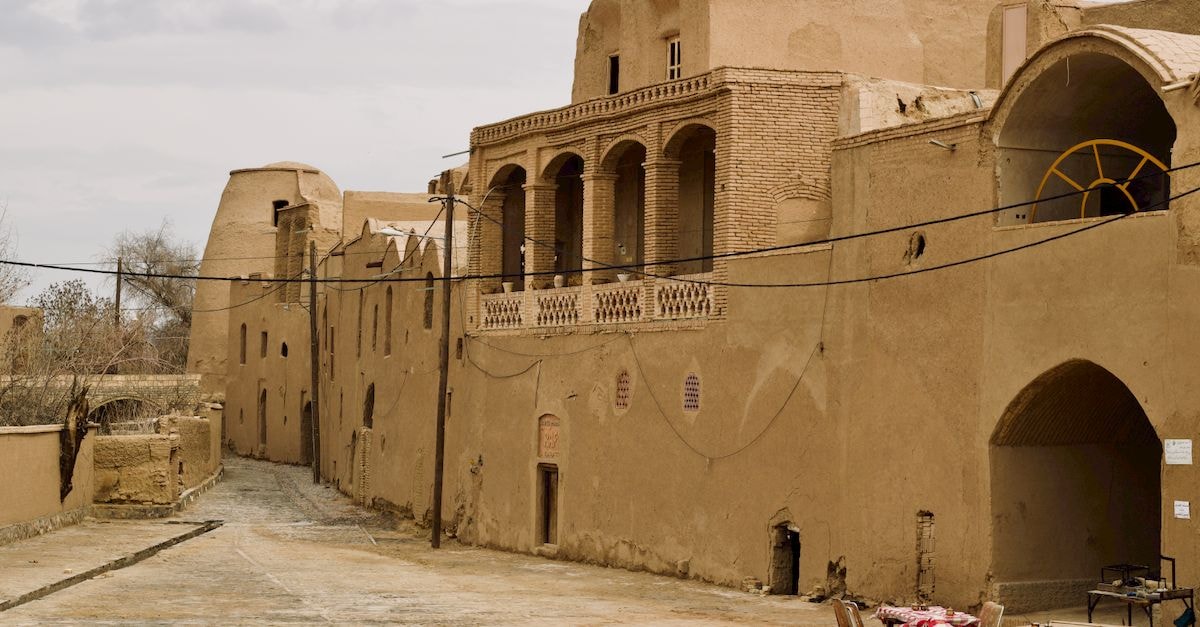
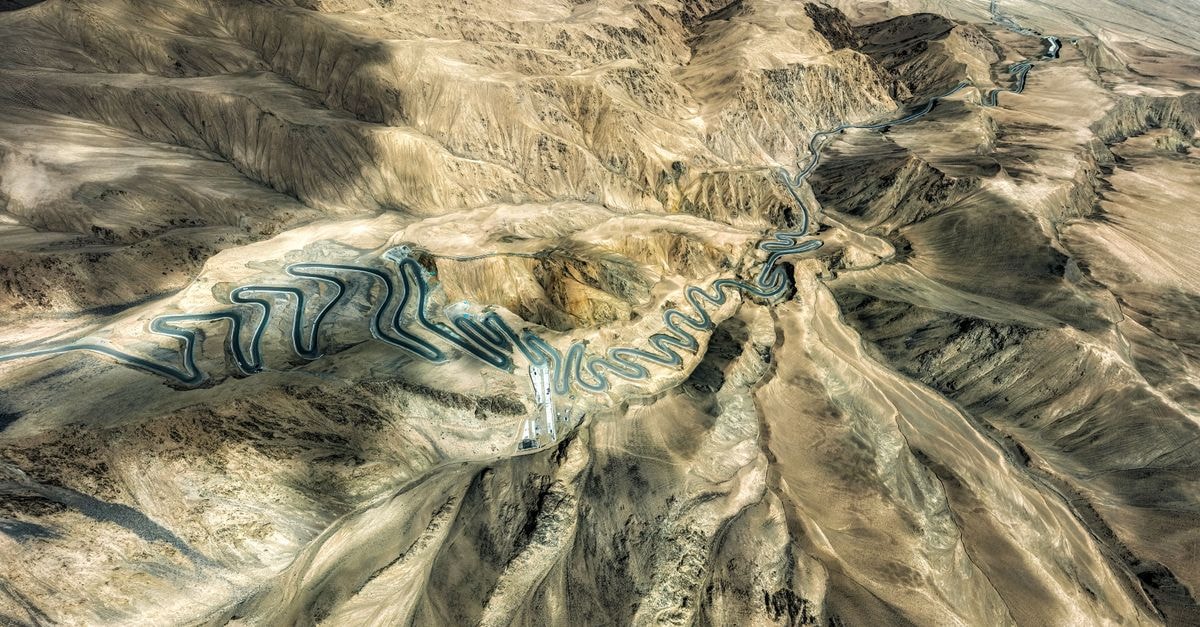
Lanzhou also sits at a crossroads. It carries the long memory of the ancient Silk Road, which gives its food, its markets, and its people a layered, multicultural feel that you don't always find in other inland Chinese capitals. Add in the Gansu province's dramatic landscapes just beyond the city limits, and Lanzhou becomes less a place you simply pass through and more a place you actually want to linger in for a few unhurried days.
This guide leans into the parts of a Lanzhou trip that are easiest to plan around: how to move between the headline sights, which corners of the city are worth giving an extra hour to, and what to expect when you sit down to eat.
Attractions and planning
Lanzhou is abundant with tourist attractions, and most of the iconic ones cluster surprisingly close together along and around the Yellow River, so a first-time traveler can see a lot without ever getting into a taxi. Among the spots that consistently define a Lanzhou visit are Five Springs Mountain Park, the Gansu Provincial Museum, the Waterwheel Garden, White Pagoda Park, the Yellow River itself, Zhangye Road Pedestrian Street, and the Zhongshan Bridge, often described as the First Bridge over the Yellow River.
The practical upside of this concentration is that you can shape a relaxed city break around a few walking loops rather than a tightly scheduled list. A morning at the Gansu Provincial Museum, a slow riverside stroll past the Waterwheel Garden, and a golden-hour wander across Zhongshan Bridge is the kind of day that feels full without feeling rushed. Zhangye Road Pedestrian Street is a natural anchor for an evening, whether you want a proper meal, a casual snack, or just a place to feel the city's pace.
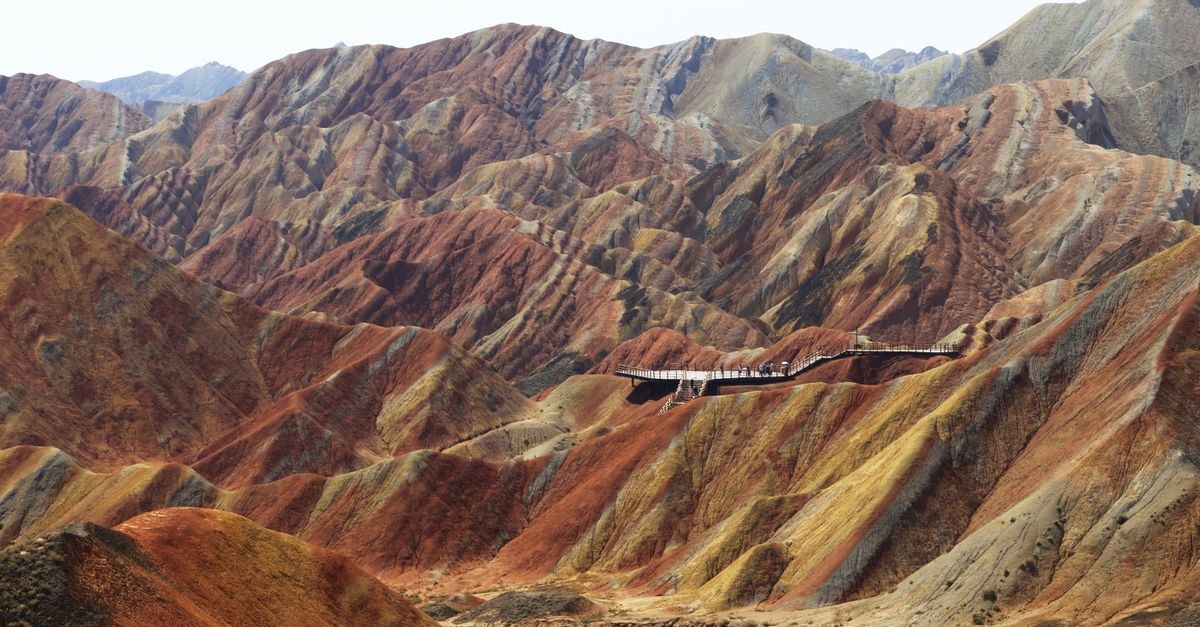
A useful planning note: official tourism information specifically recommends scenic direct buses or reserved tourist transport for destinations such as Water-Mo Danxia, the Lanzhou Wildlife Zoo, and Shifogou Forest Park. That single line is worth keeping in mind, because it quietly tells you that the city and its surroundings are split into two different transport moods. The central attractions along the river are easy to pair on foot, while anything that pulls you out to the wider Gansu scenery is better treated as a planned excursion with dedicated transport rather than something you improvise on the day.
For travelers who like to balance old and new, Five Springs Mountain Park and White Pagoda Park give you green space, hilltop views, and a dose of the region's Buddhist heritage, while the Gansu Provincial Museum is the place to slow down and actually understand the Silk Road context you keep hearing about. Together, they make Lanzhou feel like a city with a deep past that hasn't tried to sand down its edges for visitors.
Food and local context
Food in Lanzhou is quite unique compared to that of central China, shaped especially by the Hui people and other ethnic influences that have traded and settled along this stretch of the Silk Road for centuries. Lanzhou dishes are representative of Gansu cuisine, which features the roasting, steaming, and braising of beef and mutton. So if you came to Lanzhou expecting the same flavors you know from coastal eastern China, reset your expectations: this is a city that takes its meat seriously, handles its wheat dishes with confidence, and turns humble beef into a quiet art form.
In China more broadly, shared-table etiquette is common, with several dishes typically ordered to share rather than one main per person, and tea often arriving alongside the meal rather than at the end of it. That wider national dining custom is useful background for any meal you sit down to in Lanzhou, especially in family-style restaurants where the menu can feel generous and unfamiliar.
Getting around
Lanzhou's central sights are connected in a way that rewards walkers and casual public-transport users. Zhongshan Bridge, the Waterwheel Garden, White Pagoda Park, and the stretch of Yellow River in between can comfortably fill a half day on foot, with plenty of places to pause for tea, snacks, or just the view. Buses handle the longer hops between the riverside core and the wider city, and taxis are easy to flag down when your feet have had enough.
The transport picture that catches a lot of visitors off guard is the split between the city and the surrounding scenic areas. For destinations such as Water-Mo Danxia, the Lanzhou Wildlife Zoo, and Shifogou Forest Park, official tourism information recommends scenic direct buses or reserved tourist transport rather than improvising with regular city buses. If a Danxia landscape or a forest park is on your list, the smartest move is to ask your hotel concierge or the local tourism information desk about the day's direct-bus options or a half-day reserved transfer the night before, instead of trying to sort it out at the gate.
For first-time visitors, that single piece of advice tends to save an entire day: plan the city-center sights on foot or by short hops, and treat anything outside the urban core as a small excursion with transport already sorted. It keeps the trip relaxed, and it keeps you from spending a precious morning figuring out where the right bus leaves from.
A short verification note before you go
Travel conditions in any Chinese city can shift quickly, and Lanzhou is no exception. Bus routes, museum opening hours, pedestrian street hours, and park access can all change, so it is worth confirming the basics through the official Gansu tourism channels, your hotel concierge, or a current local source before you set out each morning. Treat this guide as a durable shape of the city rather than a minute-by-minute plan, and let the river, the bridge, and a long bowl of noodles set the pace.
Factual travel conditions can change; always check official channels before departure.
Share this article
TOOLS FOR THIS PLAN
Make the Lanzhou plan measurable
Choose a tool only when it answers the next question in your trip. Your values stay in the browser, and each tool offers a route back to this planning context.