Setting the scene in Kamoke
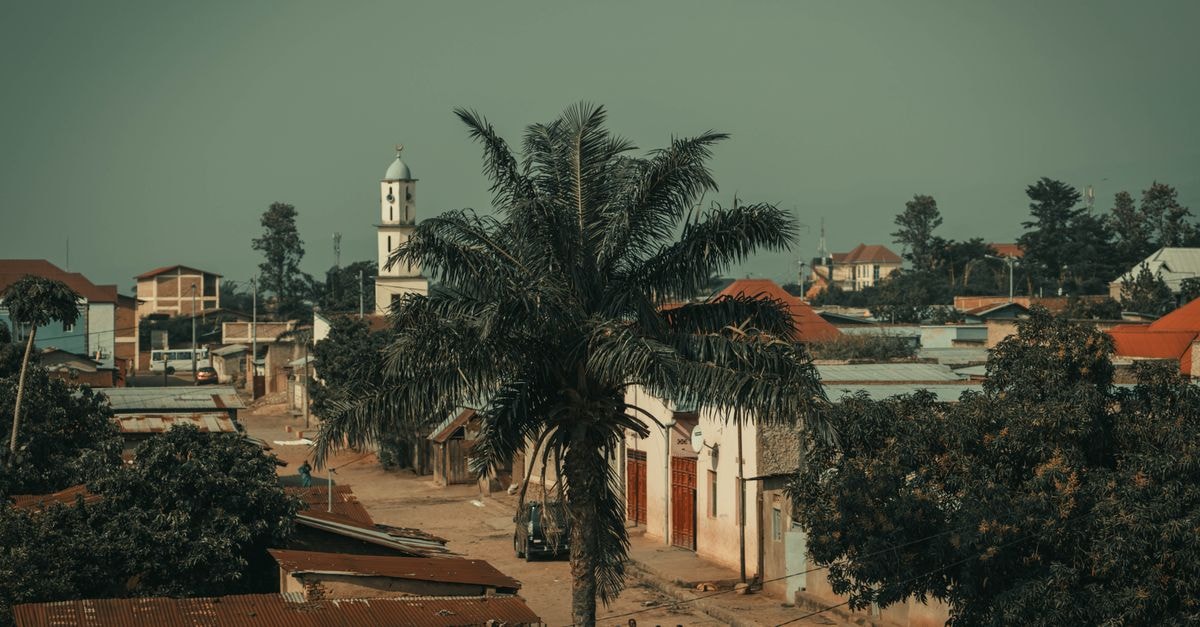
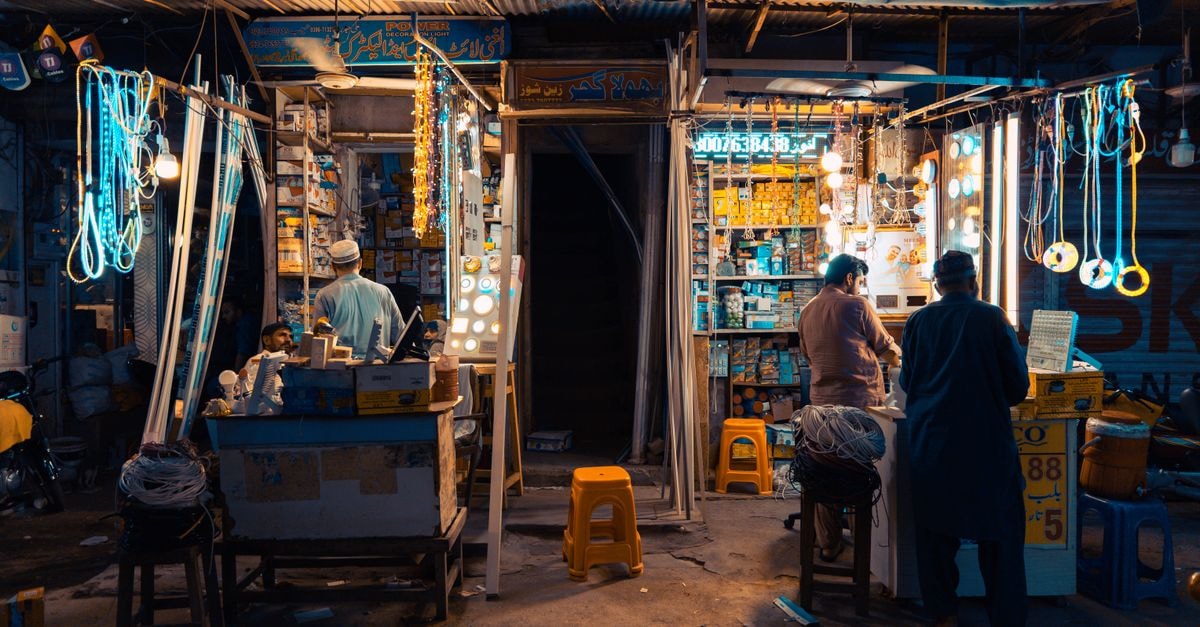
Kamoke sits in Punjab as one of those in-between places that often slips under the radar of a typical Pakistan itinerary, and that is part of its charm. The city reads as a working hub rather than a polished tourist showcase, and visitors who appreciate texture over spectacle tend to settle into its rhythm quickly. There is a sense of daily life unfolding at street level, with the hum of bazaars and local traffic giving the place a lived-in feel that more manicured destinations sometimes lack. As one descriptive source frames it, the city offers a blend of traditional bazaars, busy local life, and growing modern amenities, acting as a gateway between rural Punjab and the urban centers nearby (F1-2). That positioning matters for travelers: Kamoke is less of a final destination and more of a waypoint where regional movement, commerce, and small-city hospitality overlap.
For a visitor, the practical takeaway is that arriving here can feel like stepping into the everyday rather than a curated experience. Travelers who enjoy observing routine commerce, chatting with shopkeepers, and noticing how a town connects to larger Pakistani cities often find Kamoke rewarding on its own terms.
Getting around
Movement in and around Kamoke is shaped less by tourist infrastructure and more by how locals already move between the city and its neighbors. The available evidence points to a small set of practical reference points that help frame what to expect, even if a full transport rundown is not supported by the sources.
A travel planning reference notes that visitors can personalize itineraries to take them from A to B to C, which is a useful reminder that local movement is typically stitched together from short hops rather than a single fixed route (F2-1). Nearby, an accommodation reference sits about 1 km from the city center, with Avari Boutique Gujranwala listed as a regional option that has accumulated a meaningful number of reviews, suggesting that travelers often combine a stay in the wider area with time in Kamoke itself (F2-2). That 1 km distance is the only specific figure tied to this hotel reference and should be read as context for how close the broader Gujranwala hospitality scene sits to the center, rather than a guarantee about any particular property in Kamoke.
Two other geographic markers round out the picture. Chenab Rest Area appears in a list of things to do in the area, located in Kamoke at about 4 km from downtown, giving travelers a sense of how nearby landmarks sit just outside the core (F3-1). Sialkoti Gate is noted as a historic landmark in Gujranwala, roughly 26 km away, which helps place Kamoke in relation to a recognizable city landmark just up the road (F3-2). These distances can be useful when planning a day of regional movement, though they do not replace current map checks before setting out.
For travelers who prefer to keep their days flexible and build routes from city center outward, this kind of scattered, short-distance geography can suit a slow-paced approach. If you prefer a more structured, walk-everywhere setup, the wider evidence does not support strong claims about pedestrian infrastructure, so verifying local conditions in advance is worth the small effort.
Food and local context
Food is one of the most natural entry points into Kamoke, and the evidence here is honest about its limits. The approved sources speak to Pakistani cuisine at a national level rather than naming specific Kamoke restaurants, menus, or signature dishes, so the focus below is on the wider culinary culture a visitor is likely to encounter while spending time in the city.
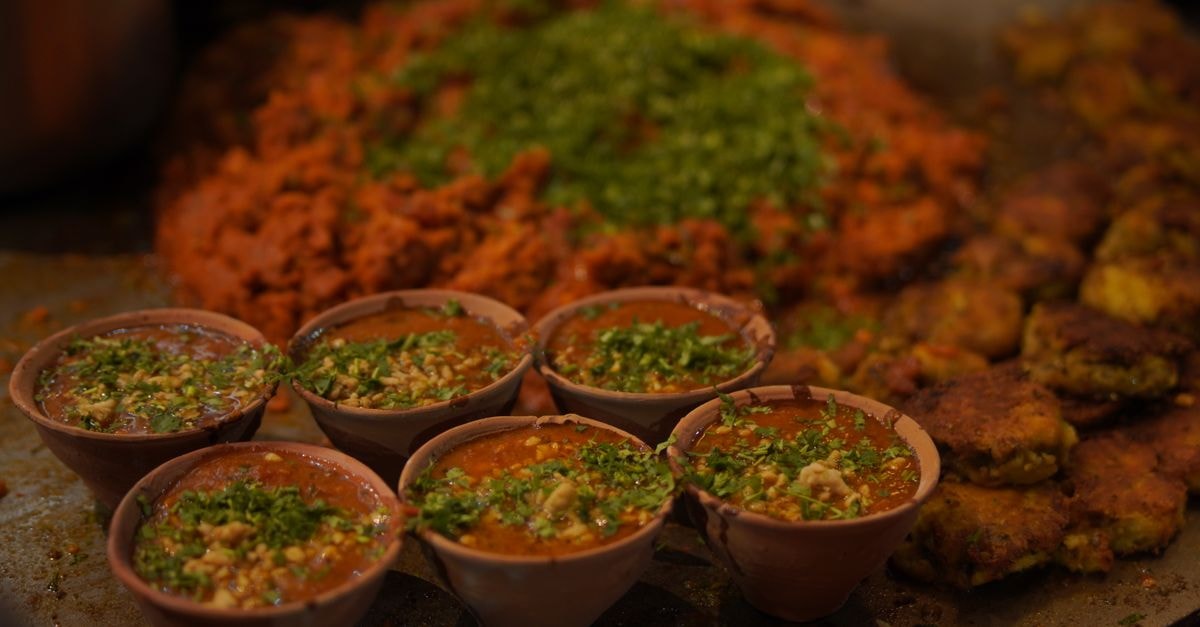
Across Pakistan, food carries strong regional pride and a real sense of continuity with older culinary traditions. One source frames the country's food culture by emphasizing that what makes Pakistan different from its neighbors is not just the food itself, but the way those flavors are woven into hospitality and daily meals (F4-2). Another source describes traditional Pakistani dishes as a rich tapestry, built from recipes that have been practiced and refined over many years, with iconic meat-based preparations forming a central part of the country's table (F5-1). Within that tradition, Chicken Karahi is highlighted as a beloved dish that captures the vibrant, wok-driven flavors associated with Pakistani cooking, often shared from a single pan at the center of a meal (F5-2).
For a visitor in Kamoke, this nationwide context shapes what a casual meal might feel like: hearty portions, shared plates, and a strong orientation toward grilled, curried, and freshly cooked staples rather than imported or highly fusion menus. Travelers who enjoy eating as a social activity and trying regional interpretations of classic dishes will find plenty of motivation to explore. If your travel style leans more toward carefully researched, restaurant-specific lists, the lack of city-level dining evidence in this guide means a little local asking around or a quick check of current recommendations will go a long way.
It is worth restating an important boundary: the food evidence here is country-scoped, not city-scoped. Nothing in the approved sources identifies a particular Kamoke eatery, market, or signature dish, so any specific dining recommendation would be going beyond what the evidence supports.
Choosing what fits your trip
A few tradeoffs are worth naming before you set expectations. Kamoke's evidence base is light on tourist-facing infrastructure and richer on geographic positioning, which means the city tends to suit travelers who are comfortable improvising within a loose plan rather than following a tightly scheduled checklist. If you enjoy weaving a working bazaar town into a wider Punjab loop, the proximity of Gujranwala and the short hop to landmarks like Sialkoti Gate (F3-2) can make the area a useful base for regional days out, while Chenab Rest Area offers a closer pause just outside the center (F3-1). On the other hand, travelers who need a dense, walkable, attraction-by-attraction itinerary may find the city's offerings feel slim compared with larger Pakistani destinations, and a more research-heavy approach would help fill those gaps before arrival.
For food-focused travelers, the countrywide context around traditional dishes and staples like Chicken Karahi (F5-2, F5-1) is a strong starting point for curiosity, but it is not a substitute for local knowledge. Building in time to ask residents, drivers, or hotel staff about where they actually eat tends to be the most reliable way to turn that national context into a memorable meal in Kamoke itself.
A note before you go
The factual picture above is built from a small set of approved sources, and a few details are worth verifying close to your trip. The distance from Kamoke's center to nearby landmarks, the current status of rest areas, and the operating conditions of regional hotels can shift, so checking official channels and recent visitor feedback before relying on any specific plan is a sensible step. Conditions on the ground in Punjab can also change with broader travel and infrastructure updates, and this guide does not attempt to stand in for that real-time information. Use it as a starting frame, then confirm the details that matter most to your route.
Share this article
TOOLS FOR THIS PLAN
Make the Kamoke plan measurable
Choose a tool only when it answers the next question in your trip. Your values stay in the browser, and each tool offers a route back to this planning context.