A calm pocket of Selangor just outside the capital

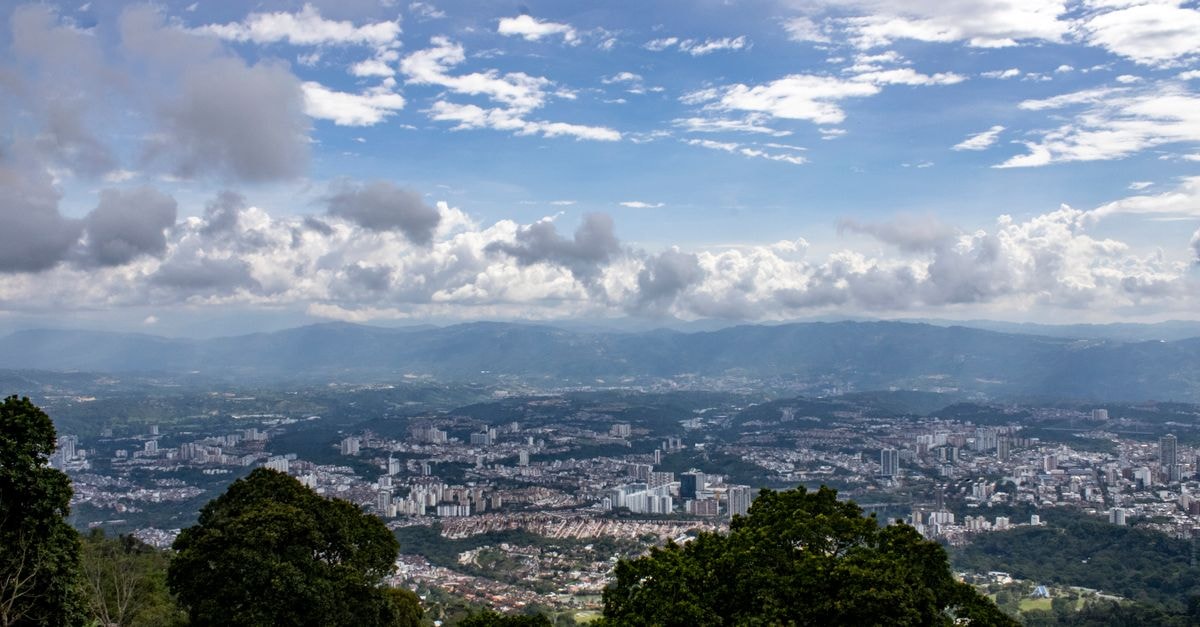
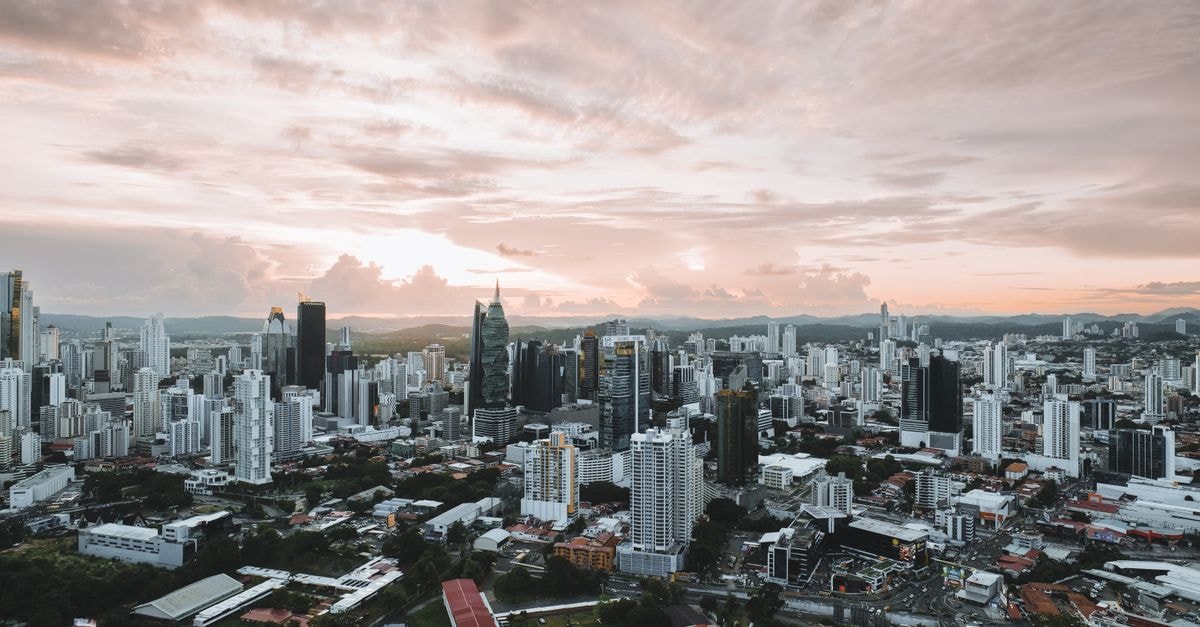
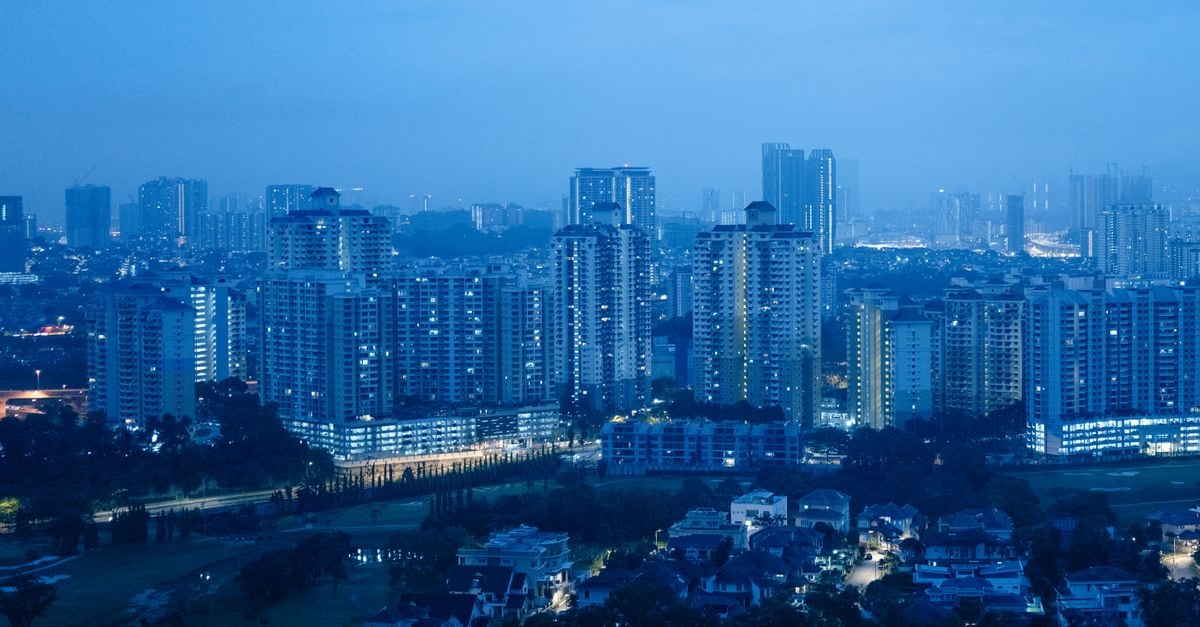
Kampung Baru Subang sits quietly within the wider Subang area of Selangor, Malaysia, and it reads very differently from the polished shopping districts nearby. The neighbourhood has the feel of a working local town: rows of low shophouses, neighbourhood eateries and everyday services that exist for residents rather than for tour groups. For travellers who like to slip into a place instead of sprinting through a checklist, that atmosphere is exactly the point.
What makes the area useful is its position in the Subang corridor. It functions as a practical stop where Selangor-local kopitiams, Malay eateries and small markets give the street its daily rhythm. Many visitors use it as a base for moving around the surrounding region, returning in the evenings to a calmer residential feel. Travellers who arrive expecting neon and skyline energy may be surprised; travellers who arrive expecting a friendly everyday Malaysian neighbourhood should feel right at home.
This guide is built around what the neighbourhood genuinely offers on the ground: how the weather behaves through the year, how the streets are laid out for walking, and how the food scene fits into a normal day.
Weather and seasonal context
The climate of Kampung Baru Subang follows the wider rhythm of Selangor, with warm, humid conditions for much of the year and short tropical downpours that can arrive without much warning. Historical weather data for the area is drawn from the ECMWF ERA5 reanalysis at a 3-kilometre resolution, which gives a reliable long-term picture even if a specific afternoon shower is never predictable.
In practice this means light clothing, an umbrella or a packable rain jacket, and a willingness to pause for a quick kopi when the sky opens up. The heat tends to settle into the early afternoon, so pacing the day with a slower middle stretch, perhaps indoors or under a shaded kopitiam roof, often feels more comfortable than walking non-stop. Evenings usually bring a soft breeze and are a popular time to be out, especially around the local food streets.
Because the climate is consistent rather than dramatic, there is no single correct time to visit. Travellers who prefer slightly less intense heat may find the early parts of the day more comfortable for errands and exploration, while night owls will enjoy the cooler, livelier feel after dark.
Getting around on foot and between stops
Kampung Baru Subang and the surrounding Subang Jaya areas are fairly walkable for short errands, shops and food outlets, especially around station hubs and commercial streets. That single observation shapes a lot of the practical advice here: the neighbourhood rewards slow, on-foot movement more than a packed taxi schedule.
For visitors using the area as a base, the most useful habit is to cluster activities around small walkable pockets. A morning kopitiam, a few shops and an afternoon food stop can all be linked on foot without much fuss. When destinations stretch beyond walking distance, the broader Subang transport network fills the gap, but the everyday charm of the area is best appreciated at a walking pace, with stops dictated by whatever smells good at the moment.
The flat terrain also makes the neighbourhood approachable for travellers who simply want a gentle way to explore without committing to a strict route. Wandering is part of the experience here, and getting a little turned around is rarely a problem.
Attractions and planning
The official MileHacker listing for Kampung Baru Subang groups the area's visitor information under the familiar headings of iconic landmarks, historical sites and hidden gems, but it is honest about the fact that this is a neighbourhood-scale destination rather than a city of headline attractions. The sightseeing appeal lies less in a single must-see monument and more in the texture of the place itself: older corners that hint at the area's past, everyday landmarks that locals pass every day, and quieter streets that reward a slower look.
Planning here is therefore less about cramming a list and more about choosing a comfortable pace. Travellers who treat the neighbourhood as a place to settle into, rather than a dot to tick, tend to get the most out of it. A few hours spent wandering, with time built in for a meal and a rest, usually reveals more than a rushed circuit ever could.
Because visitor-facing details about specific sites can shift over time, it is worth double-checking anything that depends on a precise opening arrangement before heading out. The general spirit of the area, however, is consistent: it is a place to slow down, observe and let the local rhythm set the tempo.
Food and local context
The food character of Kampung Baru Subang is closely tied to the everyday rhythm described by its travel overview. According to the destination profile, the neighbourhood functions as a practical stop where Selangor-local kopitiams, Malay eateries and small markets give the street its daily texture, and that description maps directly onto how meals tend to unfold for visitors. Eateries here serve the people who live and work in the area rather than a tour crowd, which means menus lean towards familiar local staples and the pace is dictated by neighbourhood demand rather than a tourist schedule.
For travellers using the area as a base, this has a few practical implications. Meals can be slotted into a walking day without much planning, because the relevant kopitiams and small eateries sit close to the same station hubs and commercial streets already discussed in the transport section. A morning coffee stop, a late lunch and an evening meal can each be reached on foot from a central address, which fits the broader slow-travel theme of the neighbourhood. The markets add a different layer: they offer a chance to see what local households are buying on a given day, from fresh produce to small household goods, and they give an unhurried window into how the area feeds itself.
Because the food landscape is shaped by daily local demand rather than visitor programming, specific stalls and menus can shift over time. Travellers who want to experience the neighbourhood at its most representative should follow the cues around them: which kopitiams are busy at which hours, which markets are set up on a given day, and which small Malay eateries have a local queue. The overall impression, supported by the destination profile, is of an everyday Selangor food scene that rewards unhurried exploration rather than a checklist.
A few final notes for the road
Above all, treat the neighbourhood as a place to live a little rather than a place to rush through. The walkable streets, the everyday food scene and the calm residential feel are what make it worth slowing down for, and that unhurried attitude is usually what visitors remember most.
Factual travel conditions can change, and details such as transport arrangements, opening patterns and on-the-ground services should be confirmed through official channels before departure.
Share this article
TOOLS FOR THIS PLAN
Make the Kampung Baru Subang plan measurable
Choose a tool only when it answers the next question in your trip. Your values stay in the browser, and each tool offers a route back to this planning context.