A highland crossroads in western Sichuan
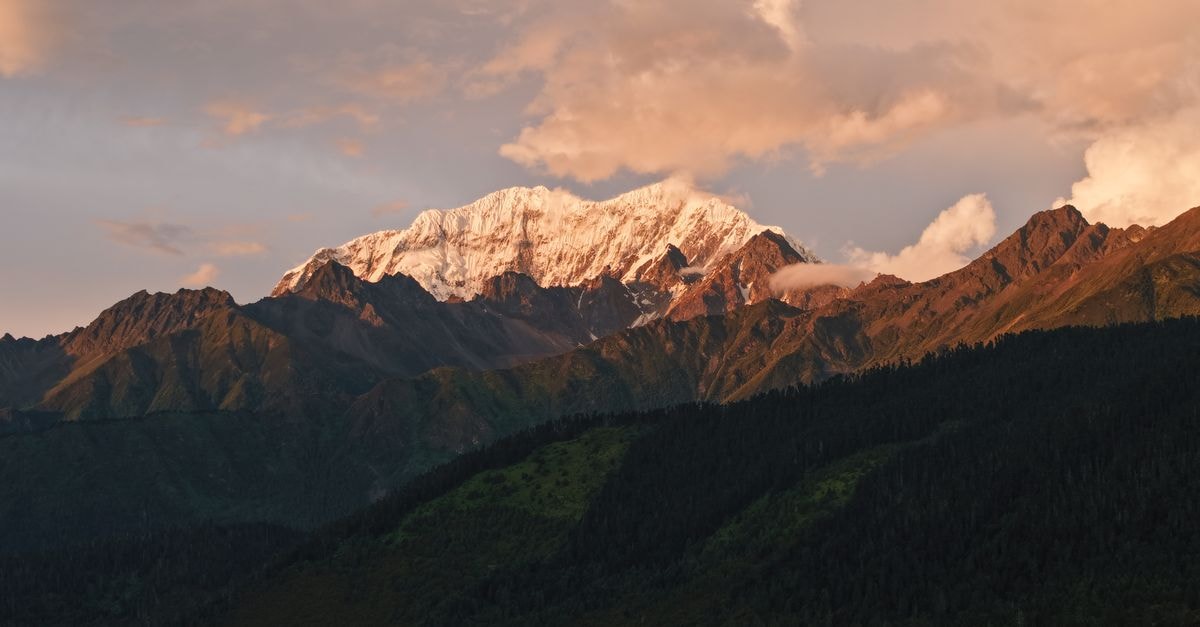
Tucked into the mountains of western Sichuan, Kangding has long been known as a meeting point between Han Chinese towns and the Khampa Tibetan communities of the surrounding highlands. The town sits at a serious elevation, which gives even short strolls a slightly breathless quality and makes the air feel crisper than in the Chengdu lowlands. It is the kind of place where a traveler arriving from the city notices the altitude in the first hour, hears Tibetan melodies drifting from doorways, and watches yak butter changing hands at a market stall in the same morning.
This guide keeps things practical and grounded. It is written for the independent traveler who wants a sense of what Kangding actually feels like on the ground, plus a couple of reliable pointers for getting into town and finding a meal, without piling on promises the source material cannot back up.
Getting to and around Kangding
The first thing worth understanding about Kangding is the altitude of its airport. Kangding Airport is one of the highest airports in the world, and that single detail shapes a lot of how a trip begins. Flights land thin in the air, and the walk from the terminal to ground transport can feel longer than the number of steps suggests. Give yourself a calm first hour after arrival rather than rushing straight into a packed schedule.
From Kangding airport there is a shuttle bus and normally there are local taxis waiting. In practice this means a traveler has two reasonable door-to-door options without needing to arrange anything in advance: ride the airport shuttle if you prefer a fixed route and a slightly slower pace, or step into a local taxi if you want to head straight to a specific guesthouse. For travelers who are sensitive to altitude, the shuttle can be the gentler choice because it usually moves a bit more slowly and lets you watch the scenery settle into the valley. If you arrive feeling lightheaded or headachy, consider taking whichever option lets you sit, breathe, and hydrate on the way into town rather than pushing for the fastest ride.
Within Kangding itself, the compact center is the kind of place where short walks and taxis cover most needs. The airport transport facts in this guide only describe the arrival picture; how you move inside town on a given day is something worth confirming locally, because schedules and options in smaller highland towns can shift.
Food and local context
Kangding sits in a region where Tibetan and Han Chinese food traditions sit close to each other, and the town itself reflects that overlap. In Kangding, you'll still see plenty of Khambas down from the hills shopping or selling huge blocks of yak butter in the market, and spot monks wandering around town in crimson robes. That kind of scene is not staged for visitors; it is part of how the town breathes on an ordinary day. If you are interested in highland food culture, a slow walk through a local market can be more rewarding than a checklist of restaurant signs, because the yak butter, the wool, the dried goods, and the small household items being traded are part of the same living food economy that ends up on local tables.
When hunger calls, one well-known stop for travelers is Tangsubao, a small, easy-to-miss place that is described in travel notes as follows: Tangsubao (from the Black Tent hotel doorway turn right and walk to the front steps of the large Kangding Hotel, then turn left to follow the alley; after about 12 m you will find the restaurant on your left; there is no English sign, but you will see a doorway leading to the kitchen on the right and microscopic dining room on the left). The directions are very specific, and that is the point. There is no English sign, the dining room is tiny, and the kitchen doorway is essentially the visual cue that you have arrived. Travelers who do not enjoy navigating by landmarks rather than street numbers may want to ask their guesthouse to draw the route on a small map before heading out, since the alley turn can feel disorienting after dark. Travelers who love the hunt for a tucked-away local restaurant, on the other hand, tend to find this kind of place a highlight of the trip.
Across the rest of Kangding, expect a mix of Tibetan staples like yak butter tea, tsampa, and simple noodle shops, alongside more familiar Chinese cooking. Because the center is compact, walking between a handful of small eateries is usually more rewarding than committing to a single long sit-down meal, especially on a first visit when you are still calibrating to the altitude and the local rhythm.
A short note on planning your time
Kangding is a town that rewards slow pacing, and the two practical anchors here pull in the same direction. The high altitude suggests taking the arrival day gently: a short stroll, an early dinner, and a real night's sleep before anything ambitious. The local food scene, with its market-side yak butter trade and small unmarked rooms like Tangsubao, suggests leaving room in the day to wander rather than racing between fixed reservations. Travelers who like a packed sightseeing list may want to build in one quiet block per day, because the combination of elevation and the slow pace of small-town life tends to make back-to-back intensity feel heavier here than it would in a lowland city. Travelers who already prefer unhurried, food-and-culture-led trips will find that Kangding's rhythm matches their instincts almost automatically.
What to verify before you go
A few details in a small highland town like Kangding change more quickly than guidebooks can keep up with, and they are worth a quick check before your trip. Confirm the current Kangding airport shuttle timetable and taxi availability directly with your airline, your guesthouse, or the airport information desk on the day of travel, since the approved source only confirms the general picture that a shuttle bus and normally local taxis are waiting. Confirm the opening hours and exact location of Tangsubao with your accommodation or a local contact, because the directions above are based on a single travel note and the doorway and alley layout can be easy to misread on a first try, especially in low light. And as always with highland travel, check current advice on altitude adjustment and pack layers suited to cool mountain evenings, even if daytime feels mild.
Factual travel conditions can change, so official channels and your lodging should always be checked before departure.
Share this article
TOOLS FOR THIS PLAN
Make the Kangding plan measurable
Choose a tool only when it answers the next question in your trip. Your values stay in the browser, and each tool offers a route back to this planning context.