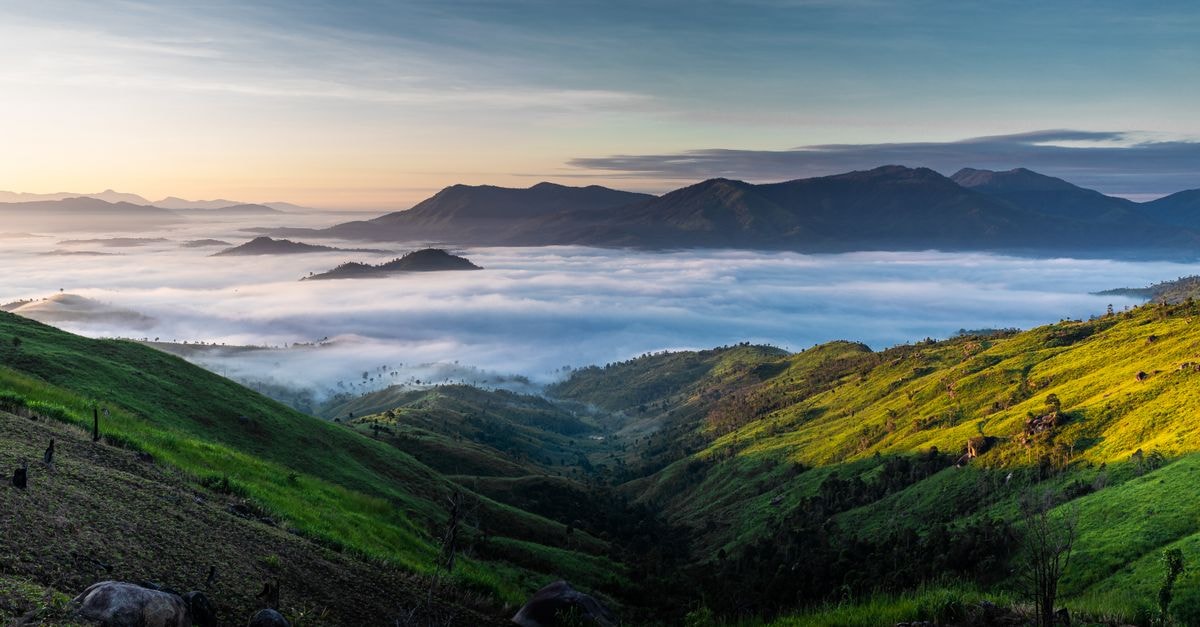
A highland introduction

What pulls people to Goroka is less the scale of any single attraction and more the texture of everyday life: coffee plantations on the hillsides, a tin-roofed highland skyline, and a sense of being a little off the well-worn path. This guide is built to help you plan that kind of visit with confidence.
Weather and seasonal context
The evidence we can lean on for Goroka points to a year-round overview rather than a month-by-month breakdown, so think of the climate here in broad strokes rather than calendar specifics. The town's elevation in the Eastern Highlands means temperatures stay moderate most of the time, and rainfall patterns follow the rhythm of the tropical highlands rather than the dry/wet extremes of the lowlands.
Because detailed monthly figures are not part of the verified picture for this guide, the most useful advice is the practical kind. Pack layers you can add or shed through the day, expect the possibility of rain at any time, and plan walking or outdoor sightseeing for the brighter stretches of the morning when highland skies tend to be at their friendliest. A light waterproof layer earns its space in the bag far more often than a heavy jacket does.
For a fuller national picture, Papua New Guinea as a whole is best understood through its regional climate pages; if you are deciding when to combine Goroka with other parts of the country, treat the destination's climate overview as your reference point rather than relying on a single month in isolation.
Getting there and getting around
The simplest way to reach Goroka is by air. Domestic flights arrive from Port Moresby directly into the Goroka airport, which sits in the centre of town. That central location is a quiet gift for visitors: once you step off the plane, the airport, the hotels, and the main commercial streets are all within easy reach of one another, so the town itself feels compact and walkable on first acquaintance.
Once you are in Goroka, the Bird of Paradise Hotel is the town's iconic landmark and a useful landmark for orienting yourself. It is centrally located, accessible to the main business services, and close to the airport, which makes it a sensible base whether you are arriving for a short stop or planning to linger for several days.
A practical note: because the airport is so central, you do not need a long transfer window on arrival day. Keep your first afternoon light, give yourself time to walk the nearby streets and acclimatise to the altitude, and save any bigger excursions for once you have a feel for the town.
Attractions and planning your days
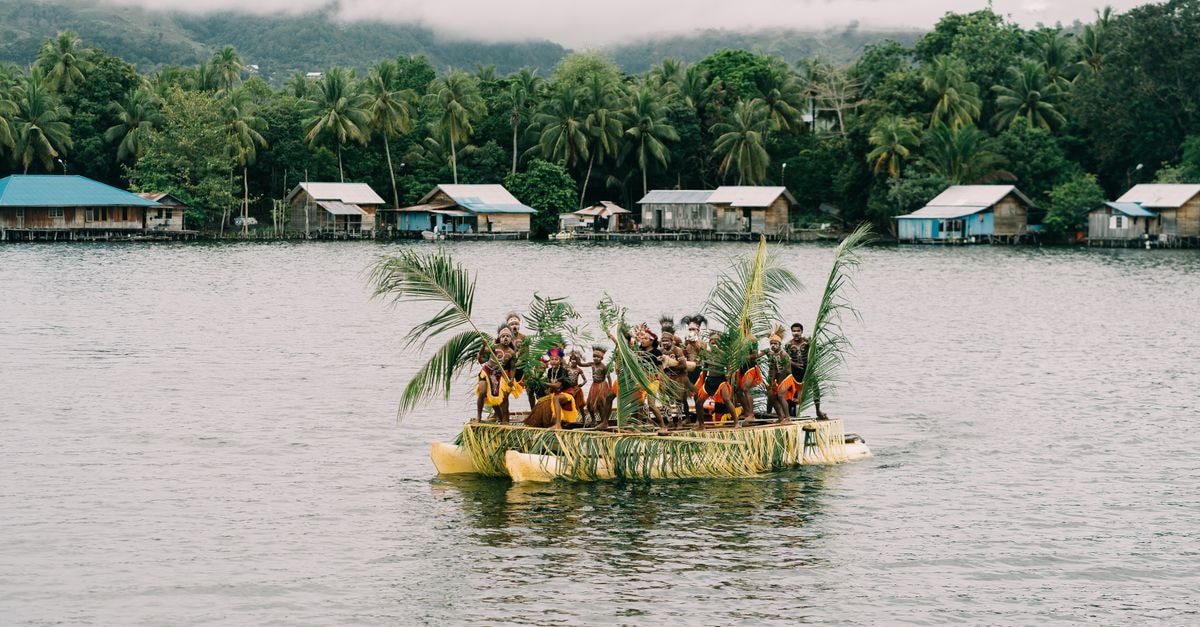
Goroka rewards travellers who slow down rather than tick boxes. The town itself reads like a highland postcard, with gardens tucked behind tin houses and the everyday theatre of highland life unfolding in the markets and along the lanes. That backdrop is the attraction as much as any single sight.
A loose rhythm tends to suit the place. Mornings work well for walking, market browsing, and photography when the light is soft and the highland air is fresh. Midday is a natural pause point, partly because of the altitude and partly because highland towns tend to quieten for a stretch. Late afternoon opens up again for visits to nearby plantations and any cultural sites you may have arranged in advance.
When you plan, think of Goroka as a town to be experienced in layers rather than a checklist to be completed. The gardens, the coffee country, the people, and the pace of highland mornings all add up to a destination whose value is in the sum of its parts. Give yourself at least a couple of days to let those layers settle, and you will leave with a much fuller impression than a quick overnight allows.
Food and local context
Food in Goroka weaves together two strands worth knowing about before you arrive. The first is the everyday highland kitchen: root vegetables, greens grown in those tidy kitchen gardens behind the houses, and the slow-cooked comfort food that follows the rhythm of the agricultural calendar. The second is the coffee story, because the Eastern Highlands are coffee country and that heritage shapes a surprising amount of what visitors can taste and see here.
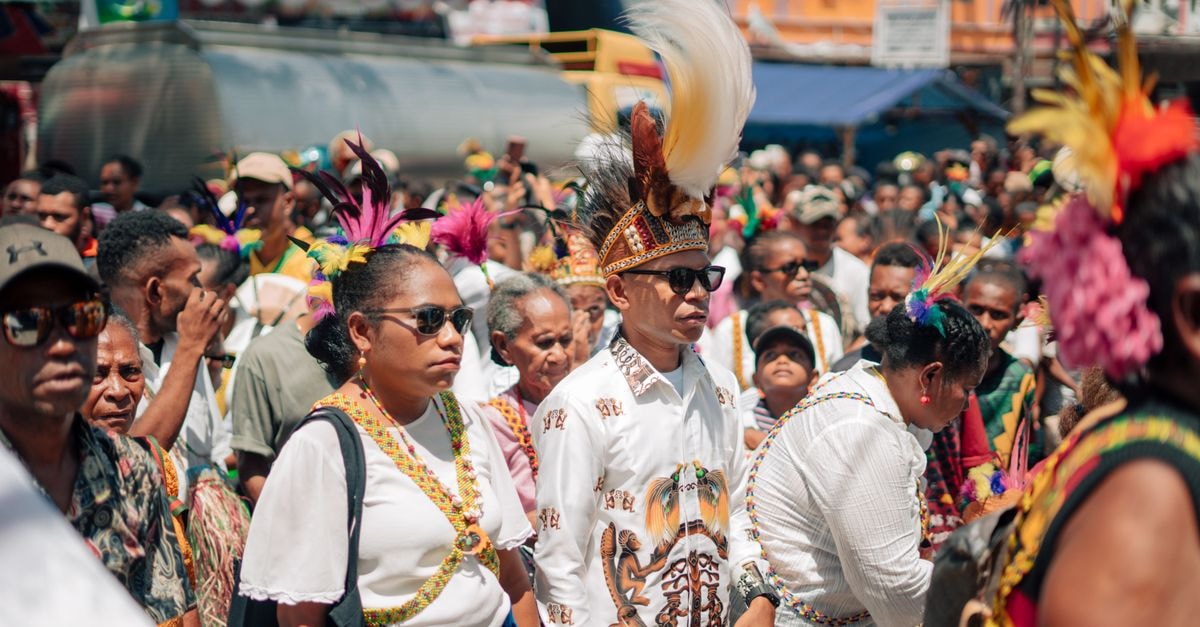
A well-paced afternoon in Goroka typically pairs cultural performance with a coffee tasting at a local highlands coffee factory, a combination that lets you move from the stage to the cup without losing the thread of the day. Evenings tend to settle into a slower register. The Goroka Club, set in a colonial-era building, offers atmospheric dining in surroundings that carry echoes of the early highland explorers; membership is often waived for tourists, which makes it a natural choice for a first or last dinner in town.
Across Papua New Guinea more broadly, dining customs tend to favour relaxed, communal pacing and conversation-led evenings rather than rushed service, and visitors to Goroka will often notice that same unhurried tempo once they sit down to eat. Embrace it: a long meal here is part of the experience, not a delay in getting on with the day.
Final thoughts and verification note
Goroka is the kind of place that stays with you precisely because it refuses to behave like a bigger destination. The altitude cools the air, the coffee scents the mornings, and the small scale of the town means you can build a real sense of place in just a few days. Plan lightly, keep your afternoons flexible, and let the highland rhythm set the pace.
Factual travel conditions can change at any time, and details such as flight schedules, opening hours, and venue access are worth confirming through official channels and your accommodation before you travel. Treat the notes above as a sturdy starting point, and check the latest information close to departure so your itinerary reflects what is current on the ground.
Share this article
TOOLS FOR THIS PLAN
Make the Goroka plan measurable
Choose a tool only when it answers the next question in your trip. Your values stay in the browser, and each tool offers a route back to this planning context.