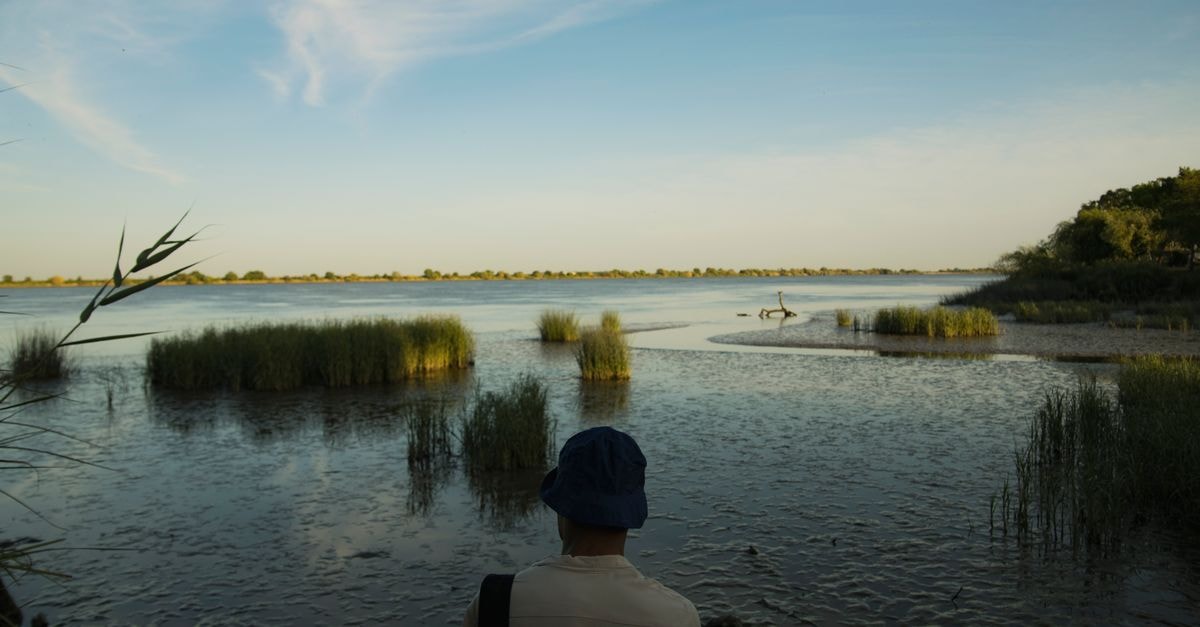
A first impression of Kankan

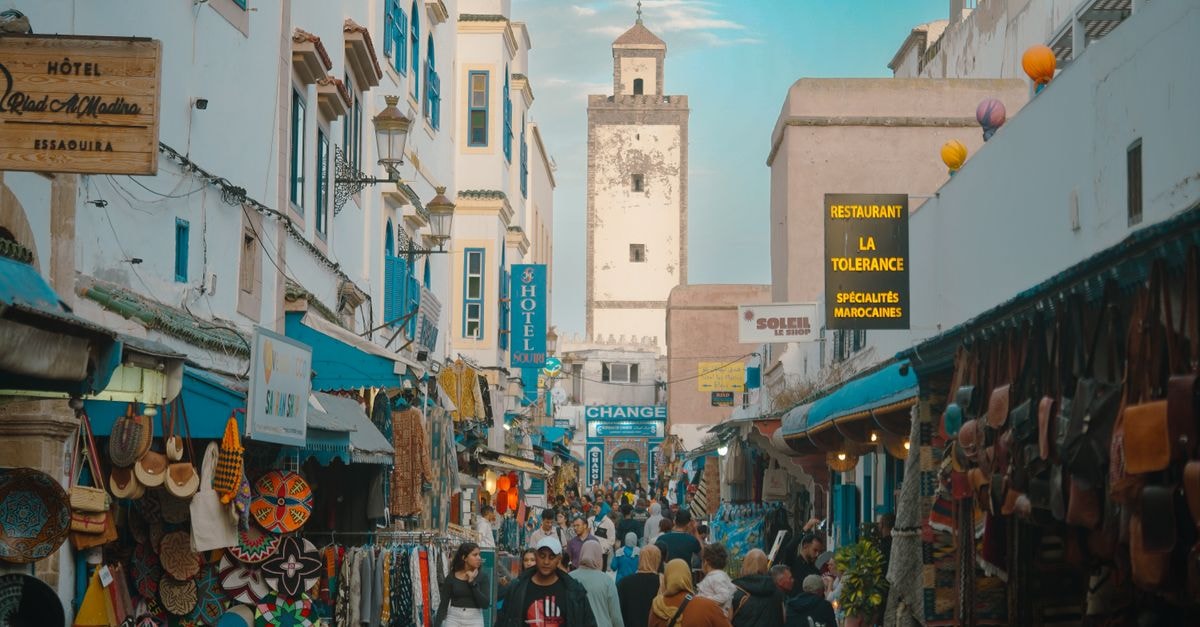
Kankan sits in the heart of Upper Guinea and carries the easy confidence of a regional capital that has long traded ideas, grains and melodies along the Niger River. The city greets visitors with the layered sensory detail that defines much of West African travel: the scent of charcoal-grilled fish drifting from roadside stalls, the thud of djembé drums echoing through red-dust alleys, and the bright geometry of cloth stacks in neighbourhood markets. For a traveller who arrives curious rather than over-scheduled, that first hour often sets the tone for the whole trip.
Kankan is also a cultural heavyweight within Guinea, frequently described as a cultural jewel of the country. Its identity is built on scholarship, music and trade, and the rhythm of the city rewards visitors who slow down enough to listen. What follows is a practical, evidence-based guide to the things you can plan around, from transport to food and the places that anchor a visit.
Weather and seasonal context
Midday can feel heavy, and shaded courtyards, market canopies and the interiors of mosque compounds all become natural places to pause. Pace the day around the light: mornings for movement, late afternoons for the long golden hour when the red dust glows, and evenings for music. This is gentle, evergreen advice rather than a specific forecast, so confirm local conditions closer to your trip and adjust as the city itself does.
Getting around
Kankan is a transport hub for Upper Guinea, and most arrivals and departures pass through the same handful of points. Shared taxis and minibuses link the city with Conakry, Kissidougou and Siguiri from the gare routière, which is the practical anchor for overland travel. Because schedules can shift, it is wise to arrive at the station with flexibility in mind and to ask locally about the next departure rather than relying on a fixed timetable.
The city is also a terminus of the old Conakry–Kankan railway, though passenger service is unreliable. Treat the railway as a feature of the city's transport story rather than a dependable way to arrive or leave, and plan road transport as your default. If you prefer a slower, more observational way to move through the region, the road network gives plenty of chances to stop in towns along the way; if you prefer certainty and a fixed seat, arriving prepared for a longer shared-taxi day tends to suit this corridor best.
Attractions and planning
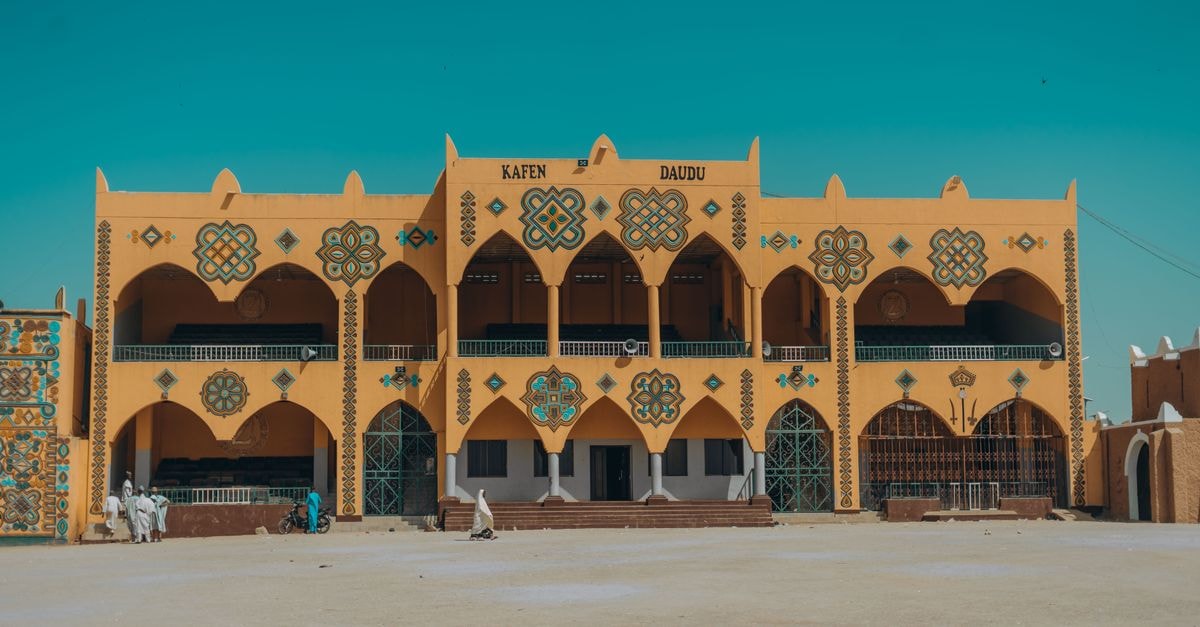
Kankan's sightseeing is shaped less by a single headline monument and more by the texture of the city itself. Several guides list a top-ten of attractions to visit in Kankan and around, and the recurring themes are mosques, markets, the river and the cultural institutions that give the city its scholarly reputation. One of the most frequently named landmarks is the Grand Mosque of Kankan, a focal point of the city's religious and social life and a useful reference point for orientation.
The Niger River fish market at dawn is another dependable entry point into the city. Showing up at first light offers a chance to see Kankan at its most active, before the heat settles in and while the day's catch is still being sorted and sold. If you are drawn to scenes of everyday working life rather than museums, this market can anchor an entire morning.
Beyond those anchors, the city invites unhurried exploration. Allow time for red-dust alleys, drumming circles, and the kind of conversations that happen when you sit with a glass of attaya tea and let the afternoon pass. Because specific opening hours, ticket prices and crowd levels are not part of the evidence available, check locally on the day and treat any list of attractions as a starting point rather than a checklist.
Food and local context
Kankan's markets are more than commercial spaces; they are social stages where the everyday life of the city plays out. Wandering through them, sampling what is in season and watching how vendors organise their stalls offers a kind of sightseeing that no museum can replicate.
Because specific restaurant names, prices and opening times are not part of the evidence available, let local recommendations and your own wandering guide you. Markets are often the most reliable places to try regional specialities at their freshest, and they are also where you are most likely to meet people who are happy to explain what is on the plate.
Picking what suits your trip
Kankan is best approached as a city of rhythm rather than a checklist, and the way you plan around it should reflect that. Travellers who enjoy photography and street observation may want to prioritise early mornings at the fish market and quiet late afternoons, while those drawn to music should leave at least one evening open for a drumming circle or a neighbourhood gathering. If overland travel and slower pacing appeal to you, the shared-taxi network and the gare routière fit naturally; if you prefer a fixed seat and a confirmed arrival, plan extra time and patience at the station. Food-focused visitors will get the most from the markets, while culture-focused travellers will find the Grand Mosque and the scholarly atmosphere of the city worth slowing down for. The single most useful habit is to leave room in the day for what the city offers unexpectedly, because that is often the part of Kankan that lingers longest.
A short verification note
Factual travel conditions in Kankan can change, and the details in this guide reflect the available evidence rather than live conditions. Before you travel, check official channels and current local advice for transport options, market activity, security updates and any entry requirements for Guinea. If a specific venue, service or route is central to your plans, confirm its status on the day.
Share this article
TOOLS FOR THIS PLAN
Make the Kankan plan measurable
Choose a tool only when it answers the next question in your trip. Your values stay in the browser, and each tool offers a route back to this planning context.