Destination Overview

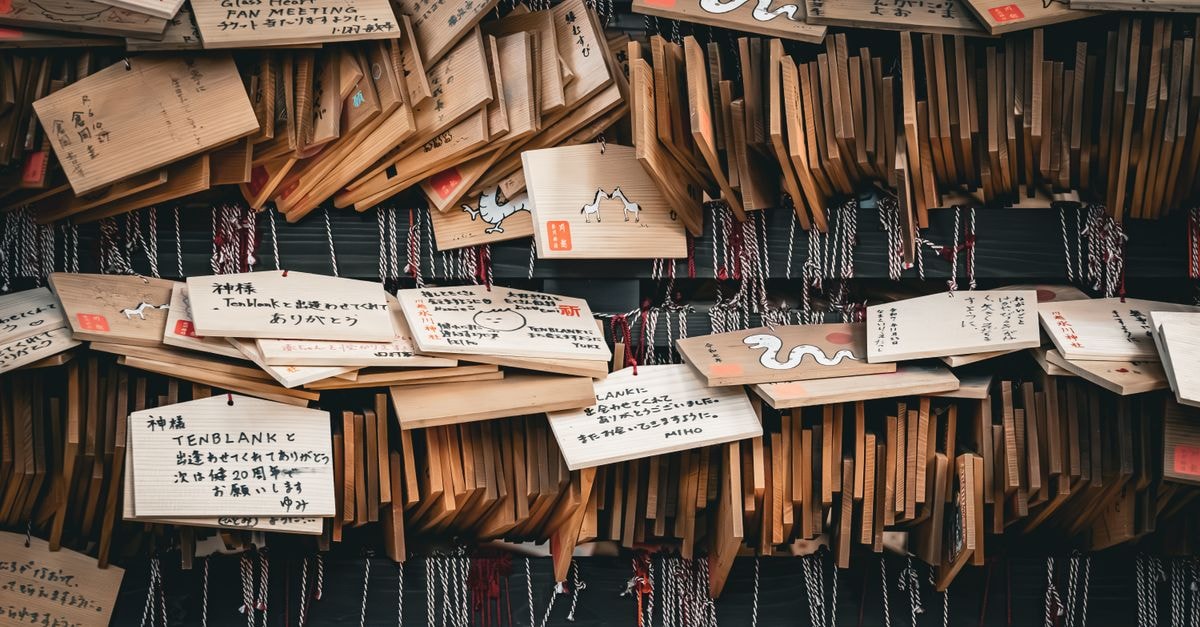
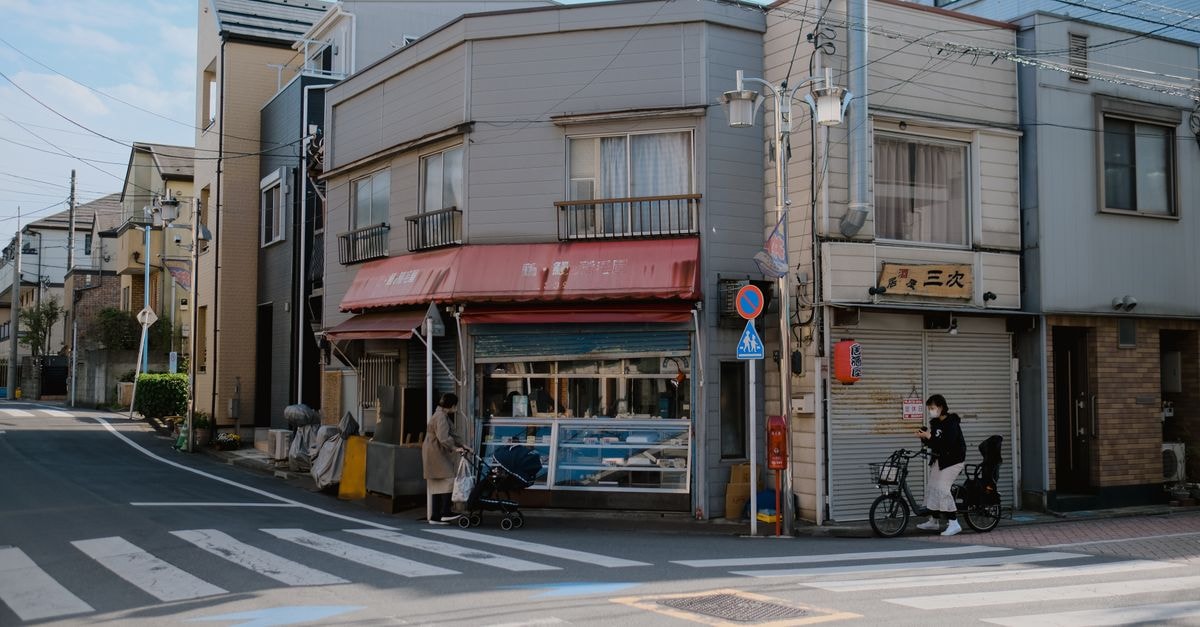
Set in the Tokyo suburbs in Saitama Prefecture, Kawagoe carries the nickname "Little Edo" for its weathered Edo-period warehouses and the clacking wooden bell tower Toki no Kane, which has stood at the heart of the city for about four centuries. The compact historic core, anchored by Kurazukuri Old Street and the Taisho-era romance street Yumekō-shō, makes for an easy day trip that still feels removed from Shinjuku. Travelers come here for slow strolls, sweet-potato snacks, unagi specialties, and atmospheric shopping lanes.
Getting There from Tokyo
Kawagoe connects to central Tokyo through two mainline stations serving the historic core. The JR Saikyo Line runs from Shinjuku to JR Kawagoe Station in about 60 minutes. From Yurakucho, the Tokyo Metro Yurakucho Line offers a direct ride to Kawagoe Station, also around 60 minutes; the same end-to-end service runs from Shibuya via the Tokyo Metro Fukutoshin Line. The fastest through-route is the Seibu Shinjuku Line Express Red Arrow Koedo, which reaches Hon-Kawagoe Station in about 45 minutes from Seibu-Shinjuku Station.
Travel coverage commonly cites Kawagoe as about 40 minutes from central Tokyo.
For sightseeing, both JR Kawagoe Station and Seibu's Hon-Kawagoe Station serve as gateways. Hon-Kawagoe is the closer launching point, with the Kurazukuri Old Street area roughly a 15-minute walk through the surrounding neighborhood.
Getting Around Kawagoe
The historic streets cluster within walking distance of either main station, so most visitors explore on foot. Local buses supplement walking. Tojo Bus routes connect JR Kawagoe Station's east exit to the Tōmyōji-bashi bus stop in about 10 minutes; nearby eateries like Shinra Garden are about a one-minute walk from that stop. Hon-Kawagoe Station is roughly seven minutes by car from the same Shitamachi address.
Within the historic core, walking is the standard approach between Kurazukuri Old Street, Yumekō-shō, the Kawagoe Castle Honmaru Palace grounds, and Kashiya Yokocho.
Historic Streets and Landmarks
Kawagoe's signature stroll is Kurazukuri Old Street, a lane flanked by Edo-period warehouses now housing sweet shops, craft stores, and snack stalls. The street runs toward Toki no Kane, the four-century bell tower whose wooden chimes mark the time. For a shift in mood, cross into Yumekō-shō, a Taisho-era avenue that fuses Japanese and Western storefronts. Walking both streets in sequence gives an immediate sense of the city's layered history.
Common stops beyond the streets include:
- **Kawagoe Castle Honmaru Palace**: the honmaru palace at Kawagoe Castle, classified as a historical site. - **Kawagoe Matsuri Kaikan**: a specialty museum related to the city's traditional festival culture. - **Kawagoe Ichibangai Shopping Street**: a prominent shopping street near the historic core. - **Kashiya Yokocho**: a heritage alley known for traditional sweets. - **Kawagoe Aquatic Park**: a public park for casual outdoor time. - **Kawagoe Matsuri**: Kawagoe's signature festival, listed as a notable cultural activity.
Local Dishes and Where to Taste Them
Kawagoe's signature ingredient is sweet potato (satsumaimo), sold across the historic streets in forms ranging from fries and dried slices to sweet-potato manju. Travelers will also find soy-sauce-tinged soft-serve and other Edo-style sweets on offer.
Unagi is the city's other celebrated tradition. Two long-running names anchor the scene:
- **Unagi Hayashiya** occupies a former rice-wholesaler building where the old tram tracks remain underfoot. The eel is glazed with the house's signature sauce for a soft interior and a crisped exterior. - **Unagi Denmei** is set in a renovated former pharmacy. In addition to standard unaju (eel on rice in a lacquered box), it serves hitsu-mabushi in four flavor variations, plus a take-out counter for the single-bite Unameshi.
A third reputational institution described in the source as a century-old eel house, with very long queues even on weekdays, is also covered in coverage of Kawagoe's unagi tradition. Beyond traditional Japanese, the city also supports Korean-style dining: **Shinra Garden Hon-ten** in Shitamachi operates as a yakiniku spot, with a published average dinner around 4,000 yen per person.
Practical Tips
- **Reservations and payments**: According to the restaurant's listing, Shinra Garden accepts seat reservations online and supports credit cards including VISA, MasterCard, JCB, American Express, Diners Club, Mitsubishi UFJ card, UC, DC, and NICOS; these policies may change. - **Hours when planning dining**: According to the restaurant's published schedule, Shinra Garden is closed every Tuesday. Dinner runs 17:00–22:00 on Mondays, Wednesdays, Thursdays, Sundays, and public holidays, extending to 23:00 on Fridays, Saturdays, and the eve of public holidays; hours are subject to change. - **Itinerary shape**: A single full day is enough to walk the two historic streets, visit the castle palace and the matsuri museum, and sit down for one unagi meal.
Travel conditions can change — always confirm opening hours, ticket prices, and transit details through official channels before departure.
Share this article
TOOLS FOR THIS PLAN
Make the Kawagoe plan measurable
Choose a tool only when it answers the next question in your trip. Your values stay in the browser, and each tool offers a route back to this planning context.