A short, textured introduction to Saitama

Saitama has a habit of surprising first-time visitors. It borders Tokyo and serves as a commuter corridor, yet it keeps a slower, distinctly local rhythm once you step off the main lines. The city carries an Edo-period echo, traces of older Japan folded into neighborhood shrines and quiet streets, while also functioning as a modern sports and transit hub. Travelers who like layering a historic town, a green cultural stop, and a reliable meal into a single day tend to find that Saitama offers all three without leaving the Kanto region.
Getting around and what shapes the city
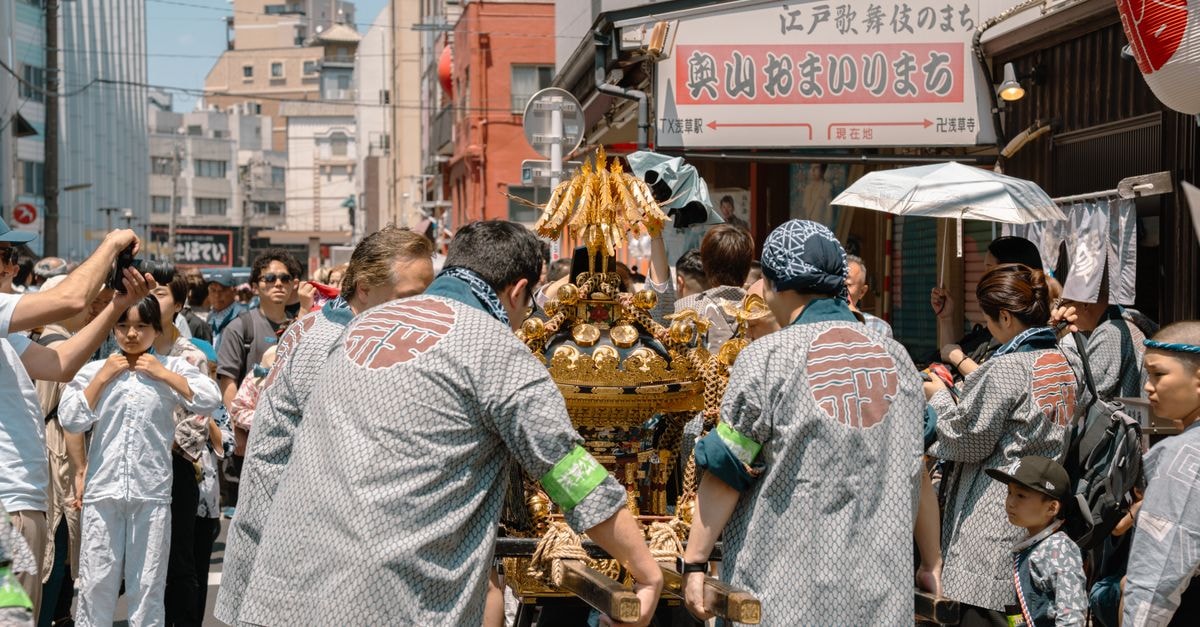
That same Edo atmosphere lingers in historic towns such as Kawagoe, where it remains woven into the streetscape. If you prefer your sightseeing to unfold at a strolling pace rather than a ticketed stop, these Edo-flavored neighborhoods may suit you well.
The city's footprint also includes the Omiya Bonsai Village, a neighborhood of bonsai nurseries and home to the Omiya Bonsai Art Museum. Travelers with a soft spot for gardens, horticulture, or simply calm green spaces tend to find this corner particularly restorative; it pairs naturally with a slower afternoon and a museum visit.
Attractions and how to plan your time
Saitama City is also home to two J-League soccer teams and large sports facilities such as Saitama Stadium 2002, where the 2002 World Cup was held, and Saitama Super Arena, which hosts a multitude of major sports events. Because the city's draws are spread across neighborhoods rather than packed into a single downtown, pacing matters more than packing. Travelers who prefer to linger in one area before moving on tend to enjoy Saitama more than those trying to sprint between every stop.
Food and local context
Food in Saitama leans toward warmth and substance. Saitama boasts numerous historic eel restaurants, supported by the abundance of eels in its rivers and wetlands, and grilled eel, or unagi, is part of the wider Japanese culinary tradition. Saitama is also known for kakigori, including a traditional shaved ice made from spring water passed down for generations and a special regional shaved ice made from premium local water.
Beyond these, the broader regional cuisine leans into wheat-based udon noodle variations, potato dishes, hot pots, and savory snacks. This is hearty, satisfying fare rooted historically in farming communities, and it tends to appeal to travelers who want a full, grounding meal after a day of exploring rather than a light bite.
Choosing what fits your trip
If you are deciding how to shape a Saitama visit, the city's geography does much of the work for you. A day built around Kawagoe suits travelers who want Edo-era atmosphere and slow streets. A day built around the Omiya area suits those drawn to bonsai, gardens, and museum spaces. A day that threads in a stadium or arena makes sense when an event is part of the plan, since these are otherwise large-scale destinations best visited alongside an event. Travelers who try to combine all of these in a single rushed day often find that splitting them across two days, or selecting one theme and committing to it, produces a more relaxed experience.
Prices, opening hours, schedules, reservation rules, and local conditions can change; verify them through official channels before departure.
Share this article
TOOLS FOR THIS PLAN
Make the Saitama plan measurable
Choose a tool only when it answers the next question in your trip. Your values stay in the browser, and each tool offers a route back to this planning context.