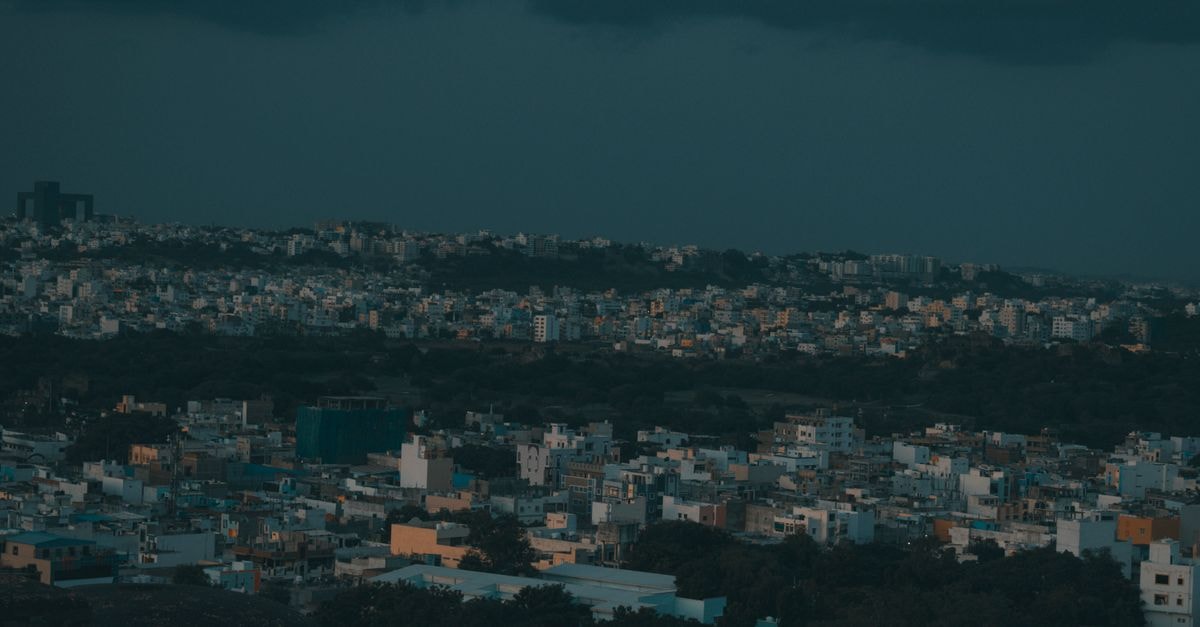
A River-Confluence Welcome to Khartoum

Khartoum sits at one of the most photographed river junctions on Earth, where the Blue Nile and the White Nile meet and then flow north together toward Egypt. That single geographic fact quietly organizes the whole city. Streets angle toward the water, breezes drift up from the rivers, and even conversations about Khartoum tend to loop back to the phrase "al-muqtaliq," the meeting of the two Niles. For travelers who like places with a clear sense of place, that confluence is the through-line.
The city carries a layered identity: a working Sudanese capital, a scholarly hub with a deep Arabic-Islamic intellectual tradition, and a river port with a long mercantile past. Visitors tend to arrive expecting desert and often find a green, leafy capital threaded with waterways. Walking through central Khartoum, you may notice how the rivers soften both the climate and the rhythm of the day, especially in the late afternoon when people drift toward the banks.
This guide leans into the two strands the available evidence supports well: the deep history held in the city's museum collections, and the everyday food culture that shapes how Sudanese people share a meal. It is written as durable city guidance rather than seasonal advice, so it should remain helpful regardless of when you plan to visit.
Attractions and Planning Around the Confluence
The single most consequential site for understanding Khartoum is the Sudan National Museum. It is positioned at the confluence of the White and Blue Niles, a double-storied structure that takes advantage of one of the most symbolically loaded locations in the country. Inside, the galleries move visitors through a long timeline: artifacts from the Paleolithic era onward, with later rooms carrying the story into the Islamic period. For travelers who like to anchor a city in deep time, this is the place where the riverside landscape outside connects to the layered human history inside.
Planning a visit here is straightforward in concept. The museum is a central stop rather than a peripheral attraction, and it pairs naturally with a slow walk along the nearby riverbanks. Travelers who prefer to pace a cultural visit with open-air time may want to alternate between gallery rooms and the breeze off the Niles rather than try to cover everything in one long sit-down session. If you are someone who finds that dense artifact collections become overwhelming after a couple of hours, consider breaking the visit into a morning sweep of the earlier periods and a return for the later galleries, with a riverside pause for coffee or tea in between.
Because the building holds several distinct historical periods, it also suits travelers with specific interests. Those drawn to prehistoric tools and early human presence in the Nile valley can focus on the Paleolithic collections, while readers more interested in the medieval and Islamic centuries can spend their time in the later rooms. The location itself, framed by the two rivers meeting, adds a layer of context that no wall text can quite replace.
Food and Local Context: How Sudanese People Actually Eat
Food in Khartoum is less about a single signature dish and more about a way of gathering. What distinguishes Khartoum from other Nile cities is the Sudanese insistence on communal eating. Dishes arrive in shared bowls set in the middle of the table, hands are washed from metal pitchers passed around, and bread, always the bread, functions as both utensil and the meal's anchor. Travelers used to individually plated restaurant meals may find the format unfamiliar; for fresh travelers, it is a chance to slow down and join the rhythm of the table.
For visitors who want to try one of the region's classic slow-cooked dishes, Tagine is a natural entry point. Two named restaurants in Khartoum are known for their traditional offerings and are worth considering for anyone who wants a reliable introduction: Al-Mansour Restaurant and Shahrazad Restaurant. These are useful reference venues rather than a definitive ranked list, and they may suit travelers who prefer a familiar sit-down restaurant setting over a market stall experience.
If you are more interested in a home-style dish with deep cultural roots, look for mullah. Al-Attar Restaurant in Khartoum is mentioned locally for its mullah selections and is often praised by residents. Mullah is a thick, aromatic stew, typically built around slow-cooked meat, vegetables and a layered spice profile, and it captures the kind of unhurried, generous cooking that defines Sudanese home kitchens. Travelers who enjoy warming, spoon-friendly stews and want to try a dish locals actively recommend may want to make this a priority.
Wider Sudanese context also shapes the food scene visitors will encounter. Sudan as a whole has a long tradition of communal meals, shared flatbreads and generous hospitality, and that ethos is visible in how restaurants and homes receive guests. Travelers who appreciate eating with their hands from a shared plate tend to slip into the local rhythm quickly; those who prefer strict individual servings can look for restaurants that cater to expat and diplomatic diners, where portioning often leans more European.
Markets, Ingredients and the Wider Sudanese Table
Khartoum's central market, known locally as Al-Markaz, offers a window onto how Sudanese cuisine meets the wider world. The market serves the diplomatic and expat communities, and alongside familiar Sudanese staples, you can find sections with Lebanese spice blends, European cheeses that travel surprisingly well given refrigeration challenges, and vegetables that look as if they arrived from more temperate climates. For travelers who enjoy market wandering as a way to read a city, this is a useful place to spend a slow hour.
Shoppers who like to assemble their own picnic from market finds may want to bring a small cloth bag and a sense of curiosity. Spices are an easy souvenir, and a few small packets of Sudanese blends can carry the flavors of the trip home. Travelers less interested in market logistics may still enjoy a short walk through the more orderly sections to see how Sudanese and imported goods sit side by side.
Because refrigeration can be a constraint in some parts of the market, visitors planning to buy cheeses, dairy, or anything perishable should consider their immediate plans rather than assume a long shopping window. Those who prefer to keep their market visits short and focused may want to choose one or two sections, such as spices and dry goods, rather than attempt a full circuit in a single morning.
Choosing What Fits Your Trip
A short Khartoum stay built around riverside wandering, a museum stop and a shared Sudanese meal will suit most curious travelers. If you have a particular interest in deep history, lean your time toward the Sudan National Museum and the confluence itself. If you are more food-focused, choose a Tagine or mullah restaurant for a sit-down introduction, then walk through Al-Markaz to see the broader table Sudan sets for itself and its visitors.
Travelers who prefer a slower pace may want to split the museum and a meal across two half-days rather than compress them into one long outing, while those with limited time can still meaningfully experience the confluence, the museum and a shared plate of mullah in a focused visit.
Before You Go
Practical travel conditions in any capital, including opening hours, transport availability, security guidance and visa requirements, can shift over time, and Khartoum is no exception. Before departure, check current advice from your own foreign ministry and from official Sudanese channels for the latest entry, safety and movement information, and confirm any details you plan to rely on, such as museum opening hours and restaurant accessibility, directly with the venue or your accommodation. This guide is written as durable city context, not as a substitute for up-to-date official advice.
A short verification note: if you intend to visit the Sudan National Museum or any of the named restaurants, consider confirming opening days and times in advance, since schedules in Khartoum can vary and the available evidence does not specify current timetables.
Prices, opening hours, schedules, reservation rules, and local conditions can change; verify them through official channels before departure.
Share this article
TOOLS FOR THIS PLAN
Make the Khartoum plan measurable
Choose a tool only when it answers the next question in your trip. Your values stay in the browser, and each tool offers a route back to this planning context.