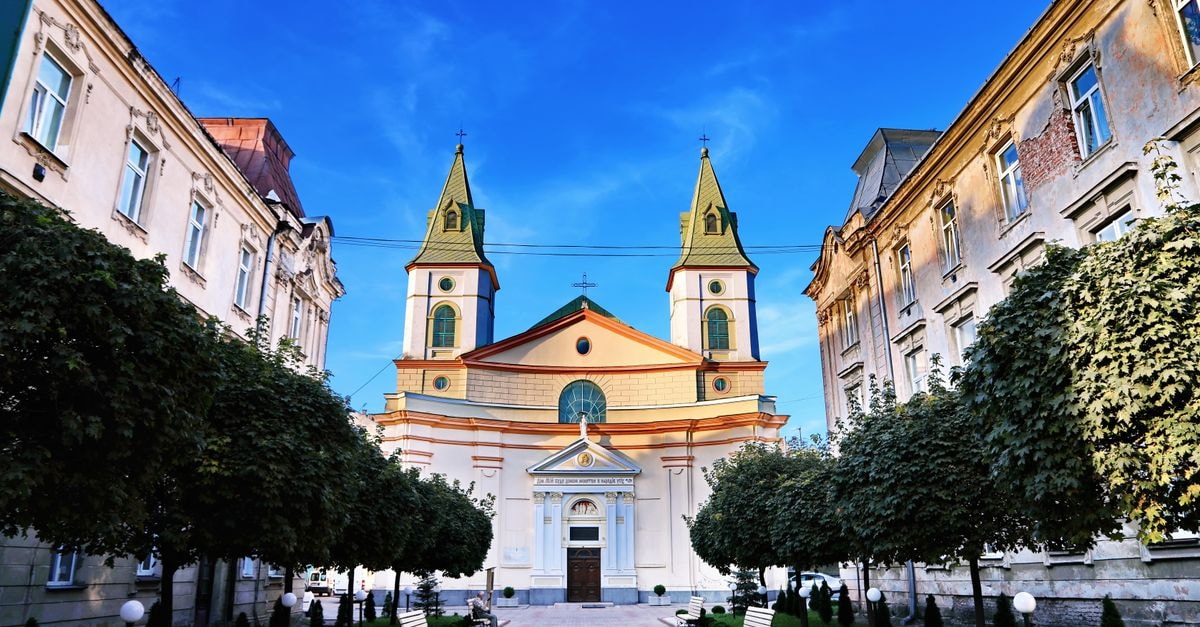
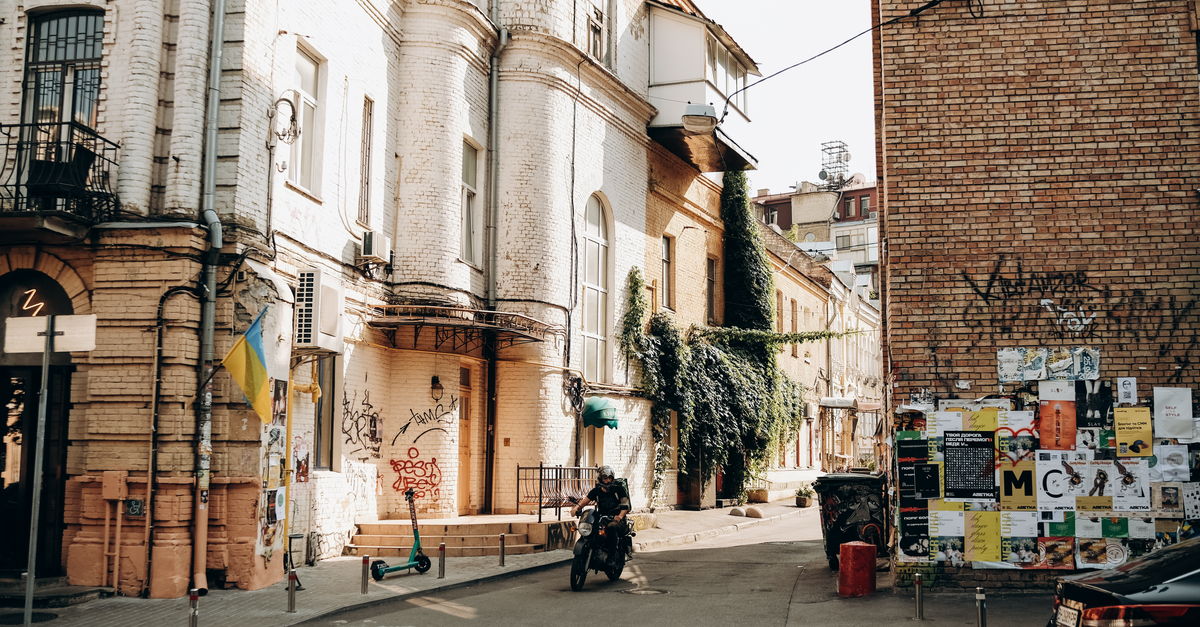
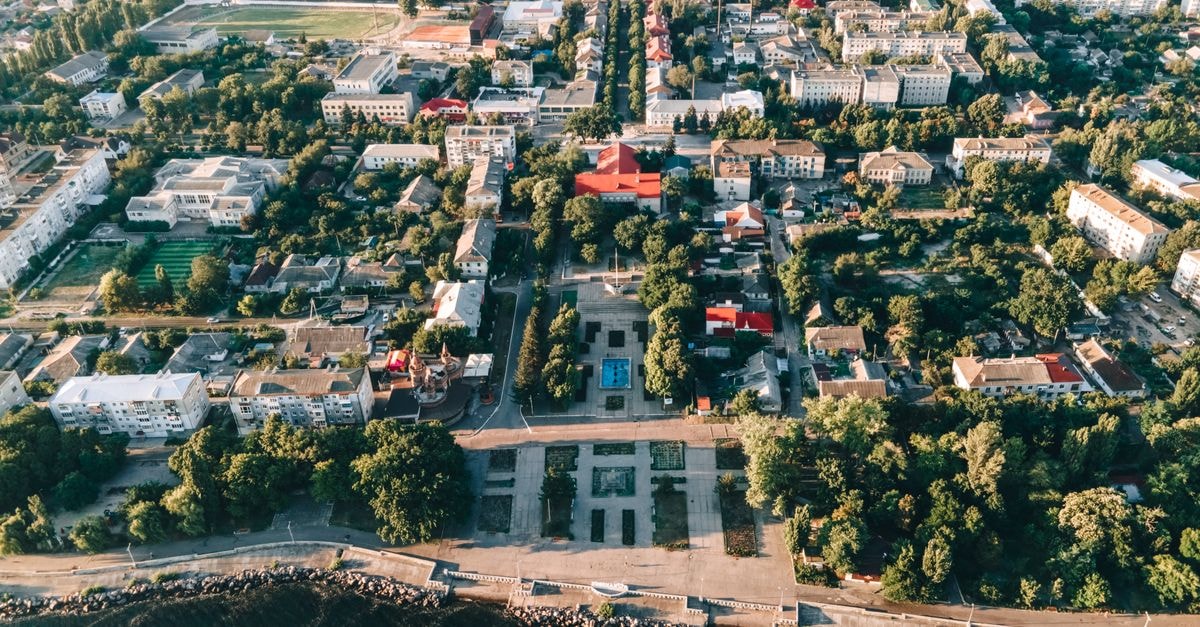
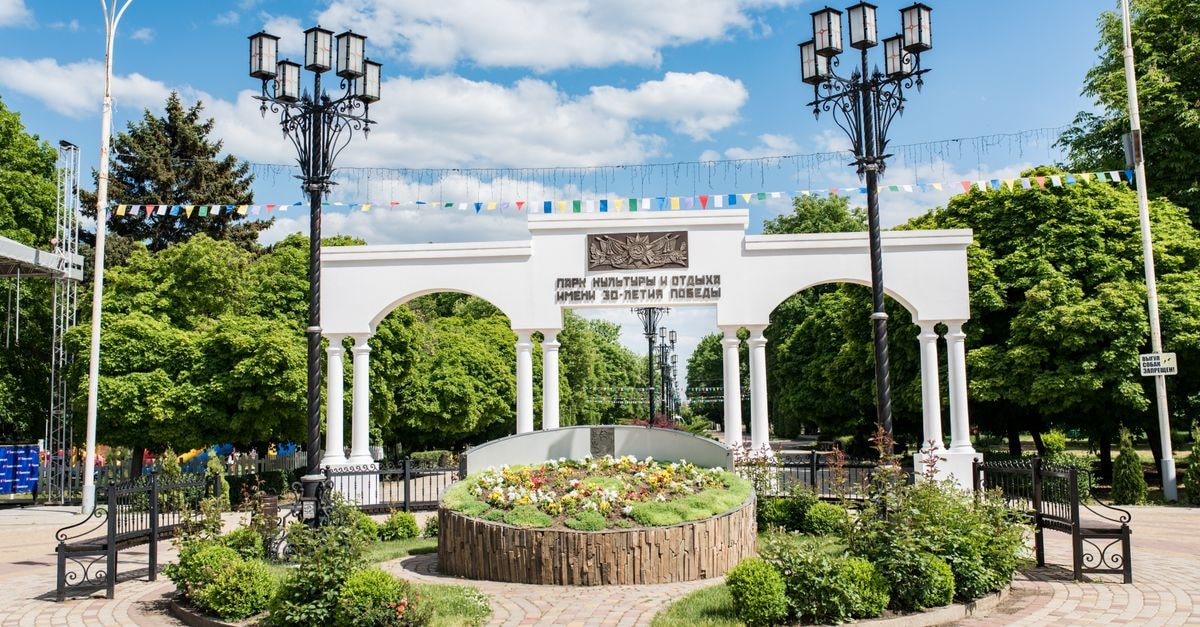
Khmelnytskyi rewards travelers who arrive with a little curiosity and a clear plan. This guide focuses on the practical details the supplied information supports: finding the right train, avoiding an unintended continuation toward Ternopil or Lviv, locating the station, and understanding how the city’s history and wider Ukrainian food culture fit into a thoughtful visit.

Arriving by Train
Khmelnytskyi is connected by frequent trains to Kyiv, making rail a straightforward way to approach the city. The important detail is not simply that trains run, but that Khmelnytskyi is one stop along the route rather than the final destination. Once aboard, stay alert to the stops and make sure you leave the train in Khmelnytskyi instead of continuing to Ternopil or Lviv.
That makes the journey as much about attention as transportation. Before departure, check the train’s displayed information and confirm the station name as the train progresses. The destination is a useful anchor, but the stop sequence is what will help you avoid ending up farther along the line than intended.
The city’s train station is identified in the source material as **00981 Khmelnytskyi train station** (Залізничний вокзал Хмельницький). Use that station name when organizing your arrival plans or confirming your destination with local transport providers.
For independent travelers, the most valuable habit is modest preparation: keep the station name available, note the intended stop, and follow the train information rather than waiting for a final-destination announcement. Train service and operational details can change, so verify the latest arrangements through official transport channels before leaving.
A City Shaped by Its Former Name
Khmelnytskyi’s identity is closely tied to a change of name. The city was originally called **Proskuriv** and was renamed in **1954** to honor **Bohdan Khmelnytsky**, the 17th-century Hetman who led Ukraine’s Cossack uprising against Polish rule.
That history gives the city’s name a deeper context. Rather than treating Khmelnytskyi as only a destination on a map, visitors can connect the modern place name with the historical figure it commemorates. It is a useful piece of background for understanding the city’s story, especially when the name appears in directions, station signs, or local place names during your visit.
Keep the distinction clear: the city’s former name, its renaming, and the historical role of Bohdan Khmelnytskyi are established context in the supplied information. They do not, by themselves, establish a specific attraction, museum, opening schedule, or visitor site. If you are seeking places connected with the city’s past, verify individual venues and access independently before making them the center of your plans.
Food and Ukrainian Dining Context
Food in Ukraine is described as direct and full-flavored rather than subtle. That national context can help visitors approach a meal in Khmelnytskyi with an open mind: expect food to be approached with a strong sense of identity and character, and be ready to engage with familiar Ukrainian dishes rather than searching for a highly restrained culinary experience.
One dish that stands out in wider Ukrainian food culture is **borscht** (борщ). The source specifically presents it as a must-try traditional dish and rejects the idea that it is merely the pale or “pink soup” associated with less careful portrayals elsewhere. In practical terms, borscht is a useful dish to recognize when considering Ukrainian food during your stay, even though the evidence does not identify a particular Khmelnytskyi restaurant, market, or menu where it is served.
The same caution applies to dining choices generally. The approved information supports national Ukrainian context, not city-specific restaurant recommendations, prices, opening hours, reservation requirements, or payment practices. It would be unwise to turn the existence of borscht into a guaranteed venue or a particular dining experience in Khmelnytskyi. Instead, treat it as culinary context: a traditional dish worth knowing as you explore what is available during your visit.
For a smoother approach to meals, let local availability guide you while keeping your expectations grounded in the wider culture. Ask about dishes, read the menu carefully, and do not assume that every establishment in Khmelnytskyi will serve the same range of traditional food. The source material does not provide restaurant names or current menus, so current dining information should be checked through official or directly maintained local sources before you rely on it.
Keeping the Visit Practical
The strongest itinerary framework for Khmelnytskyi is intentionally simple: arrive by rail, pay attention to the fact that the train continues beyond the city, and keep the city’s historical name change in mind as background while you explore.
The food section is best treated as cultural orientation rather than a restaurant shortlist. Borscht and Ukraine’s expressive culinary identity are legitimate context for understanding what visitors may encounter, but they are not evidence of a particular Khmelnytskyi specialty or of a specific place to eat. That distinction keeps the guide useful without pretending to know more than the available information supports.
Before departure, check official transport channels for current train arrangements and verify any individual dining or visitor information you plan to use. Factual travel conditions can change, and official channels should be checked before departure.
Share this article
TOOLS FOR THIS PLAN
Make the Khmelnytskyi plan measurable
Choose a tool only when it answers the next question in your trip. Your values stay in the browser, and each tool offers a route back to this planning context.