Lviv has the kind of layered, walkable magic that rewards a traveler who arrives curious and unhurried. Set in the western reaches of Ukraine, the city blends Austro-Hungarian architecture, a sun-warmed central square, and a creative cafe scene into a place where a single afternoon can unfold into a long evening. This guide leans into the side of Lviv that is genuinely usable on any visit: what anchors the Old Town, how tours are typically priced, what broader Ukrainian food culture looks like, and how the rhythm of the city tends to feel on foot.

The tone is intentionally evergreen. Rather than chasing a specific calendar window, the focus is on the kind of things that stay useful no matter when you arrive, because the source material does not give us a fixed temperature or month to lean into. What follows is grounded in the approved evidence, organized around what will actually shape a stay.
Old Town anchors and one high vantage point
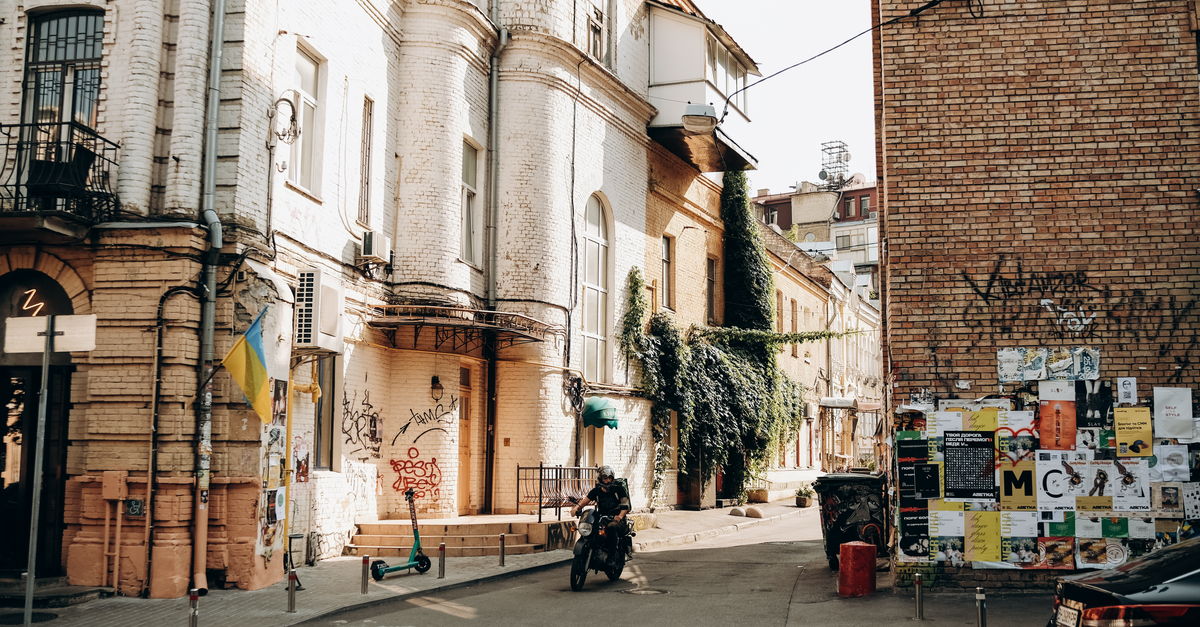
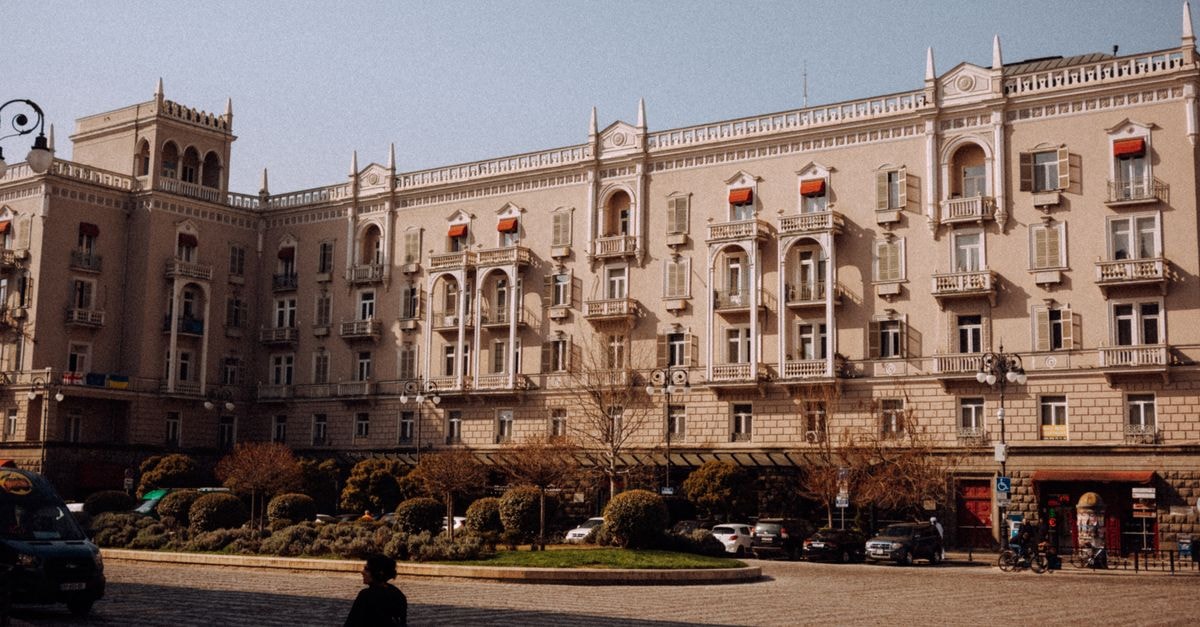
The heart of Lviv is its compact Old City, a place where ornate facades, small churches, and lively public squares cluster close enough together to cover on foot. The Lviv Theatre of Opera and Ballet sits inside this historic core and is regularly described as a crown jewel of the area, a showcase for Ukrainian performing arts and culture. It is the kind of venue travelers tend to walk past, look up at, and then circle back to for an actual visit, because the exterior is just as memorable as what happens inside.
Right at the center sits Rynok Square, the most recognizable public space in Lviv and a natural orientation point for a first visit. Tucked into one corner of the square is the Pharmacy Museum, located inside an active pharmacy, which offers a surprisingly captivating walk through the history of medicine. Because it sits inside a working pharmacy rather than a purpose-built museum space, the visit has a lived-in feel; it is less like walking through sterile glass cases and more like stepping into a layered, centuries-old room where the counters are still in use.
For a different sense of the city, there is a notable vantage point that offers a clean line of sight for photography. Travelers tend to find it while wandering; rather than treating it as a scheduled stop, it works well as a quiet pause when the light shifts or the streets briefly thin out.
A short hike beyond the city, in spirit
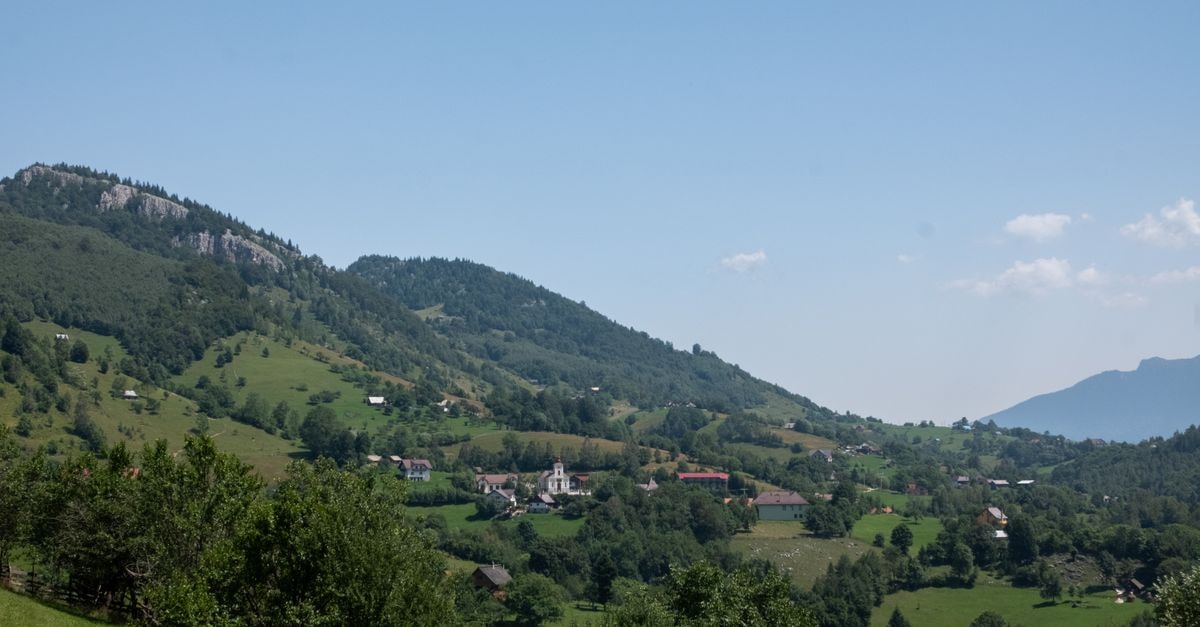
For travelers who want more than cobblestones, the Carpathian Mountains rise within reach of Lviv and are often described as a compelling destination for hikers. The mountain range is part of what gives Lviv its sense of place as a gateway to western Ukraine: you are not deep in the highlands, but you are close enough that a traveler with even a passing interest in hiking or landscapes can be tempted by a longer day or an overnight out of the city.
That said, a Carpathian trip is not something to assume into an itinerary. Mountain weather, transit timing, and trail conditions are the kind of details that need to be checked before committing. If a Carpathian excursion is appealing, treat it as an idea worth researching on arrival, not as a confirmed stop on a short stay.
Getting around: tours and city footing
Lviv is a city built for slow, on-foot wandering. The Old Town is compact, the squares link up naturally, and most of the visual anchors are close together, which means the practical question is less about transit and more about pace.
Food context: what Ukrainian dining tends to feel like
Lviv's food scene draws on wider Ukrainian culinary traditions, and a few country-level patterns are worth knowing because they shape the meals a visitor is likely to encounter. Ukraine's food culture is often described with the line that the country does not do subtle, which is a useful shorthand for portion sizes, flavor, and the way a meal is treated as a small event rather than a quick refuel.
Borscht is the dish most often pointed to as a must-try. It is not the pale, watered-down version that some travelers may have tried in diners far from Ukraine; the real thing is a deeper, richer beet-based bowl that anchors many Ukrainian meals. Outside of borscht, the broader tradition leans into generous comfort food, with an emphasis on warming, filling plates that are built to be shared rather than picked at.
It is worth being careful here. Country-level context is just that, context: a description of what Ukrainian food culture looks like in the round. Lviv itself has its own restaurants, cafes, and menus that a traveler will discover on the ground, and the specifics of any one venue, dish price, or signature plate are not part of this guide. Treat the food section as a way to recognize patterns and order with curiosity, not as a recommendation list.
Etiquette and cultural frame
Ukraine is a diverse Eastern European nation with a layered history and a strong sense of regional identity, and that background colors everyday interactions. Visitors tend to find that hospitality is expressed generously, that toasts and shared meals carry real warmth, and that a little patience with language and customs goes a long way.
This is the kind of context that does not need to be turned into a checklist. A simple, sincere approach to greeting people, ordering food, and asking questions is usually enough to make a visit go well.
A note on budgeting
The only price this guide anchors is the operator's published tour listing already mentioned: adults at UAH 300 per person and children under 12 at UAH 250 per person, subject to change. Beyond that, daily costs in Lviv can vary widely depending on where a traveler stays, eats, and how much they choose to spend on guided experiences. A simple way to frame it is to plan for the tour as a known line item, then leave room for meals, cafes, and any museum entries that catch your eye. Exchange rates shift, so treat any local pricing as a reference and check the live rate before exchanging money or paying by card.
A final check before you go
Lviv rewards travelers who arrive prepared to wander, who treat the Old Town as the anchor of their visit, and who are open to a slightly slower pace than a checklist-style city break. The Theatre of Opera and Ballet, Rynok Square, and the Pharmacy Museum form a small, walkable core that can fill a full day without feeling rushed, while the wider Ukrainian food culture adds a satisfying layer to meals and cafe stops.
Factual travel conditions can change, and this guide is built to stay useful rather than to lock in any one moment. Before traveling, check official channels and current local guidance for entry rules, transit updates, opening hours, and any safety information that may affect your plans.
Share this article
TOOLS FOR THIS PLAN
Make the Lviv plan measurable
Choose a tool only when it answers the next question in your trip. Your values stay in the browser, and each tool offers a route back to this planning context.