A calm first impression of Kingstown

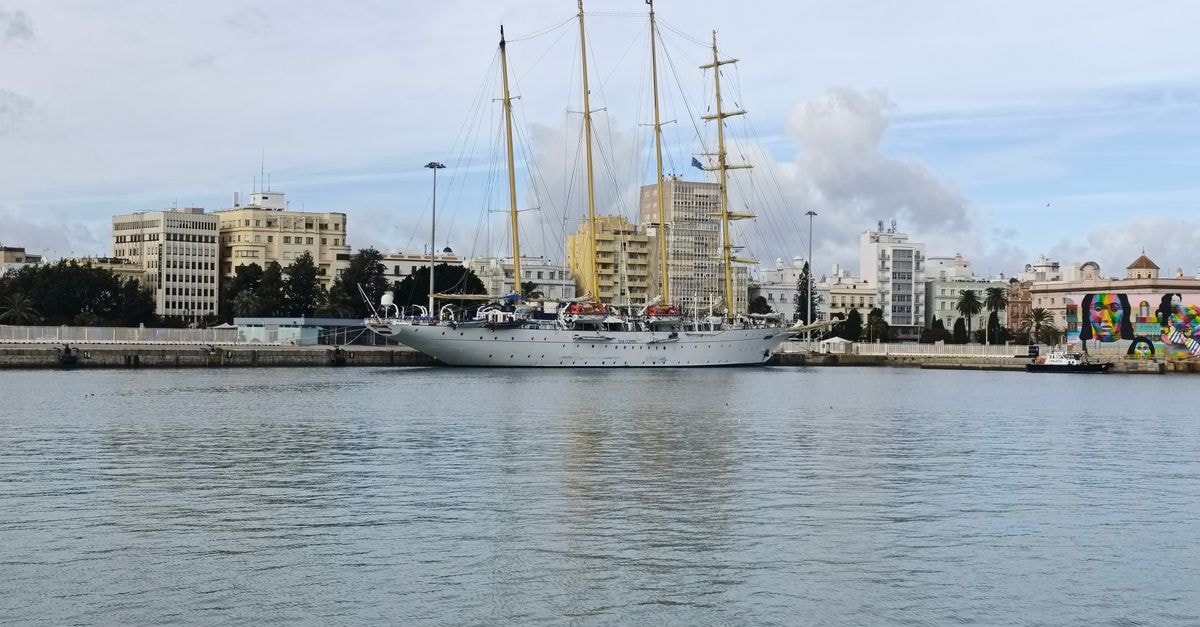
There's something unhurried about arriving in a Caribbean capital by sea. Kingstown unfolds along a sheltered bay on the main island of Saint Vincent, and the city wears its working-port identity openly. You don't have to dig for the rhythm here. Fishing boats, ferries to the Grenadines and small cruise ships share the waterfront, and the rest of the city rises behind it in a compact tangle of pastel facades, market stalls and steep lanes.
Kingstown is both the capital and the largest city of Saint Vincent and the Grenadines, and it sits at the heart of Saint George Parish. Because it holds the country's main port and its biggest commercial centre, it functions as the natural base for anyone arriving on the islands. Even if your real goal is a quieter beach further down the Grenadine chain, you'll probably pass through here first.
This guide keeps things intentionally narrow. Rather than promising a packed checklist, it focuses on the two things the evidence actually supports: what the city feels like, and how its layout and transport role shape a practical visit.
What kind of city you're walking into
The thing to know about Kingstown before you arrive is that it's a small, working capital rather than a polished resort town. The main port is a real piece of daily infrastructure, used by locals for cargo, inter-island ferries and visiting vessels, not just a photo backdrop. The biggest commercial centre of the islands sits in the same basin, so commerce, port activity and ordinary city life all happen within a walkable radius.
Practically, that means:
- You can expect a compact downtown where shops, offices and the waterfront sit close together. - The harbour is part of the city's personality, not a separate tourist district, and you'll likely pass through it more than once during a stay. - As the capital, it's where many national services and the island's main commercial activity concentrate, so it tends to feel lived-in even at quieter hours.
Because the city is small and the geography is defined by the bay and the surrounding hills, distances are short. Most travellers find that orientation comes quickly, even without a long planning phase.
Getting around
Getting around Kingstown is one of the easier parts of a visit, simply because the city itself is small and concentrated. The capital sits on the island of Saint Vincent, with the main port and the biggest commercial centre of the islands both within its core, which means most of what you'll want on a first visit is clustered near the waterfront and the surrounding streets.
A few grounded notes on how this shapes movement:
- **Walk first.** For most of the central area, walking is the most natural way to move. The bay, market area and main commercial streets are close enough together that you can take them in on foot without needing a plan. - **Plan around the port.** Because Kingstown has the country's main port, the waterfront is the obvious reference point. When you arrive, orient yourself by the harbour, then let the streets climb uphill from there. - **Use Kingstown as a hub.** The city functions as the main gateway for Saint Vincent and the Grenadines, so ferries, taxis and onward transport tend to converge here. If you're continuing to other islands or to other parts of Saint Vincent, you'll likely be organising that onward leg from the capital. - **Expect hills.** The terrain around the bay rises fairly quickly, so comfortable shoes and a willingness to climb stairs matter more than a detailed transit plan.
Because this guide is built only on durable city facts, it deliberately avoids promising specific bus routes, taxi apps or timetables. Those details change, and the evidence at hand doesn't include them. The honest picture is simpler: Kingstown is compact, walkable for the curious traveller, and organised around its harbour and commercial centre.
Weather and seasonal context
Kingstown sits in the eastern Caribbean, which shapes how the weather feels day to day. Without leaning on a specific month, the general pattern is one of warm temperatures, high humidity and a real chance of a passing shower — the kind that arrives quickly and moves on. Tropical climates reward a flexible pace: plan indoor or shaded stops for the hottest part of the day, and keep outdoor exploring for the cooler edges of morning and late afternoon.
A few evergreen habits help, regardless of when you visit:
- **Dress for humidity.** Light fabrics, quick-dry layers and a small umbrella or packable rain jacket are useful almost any time of year. - **Pace yourself.** Heat can build quickly in the streets behind the bay, where there's less breeze than on the open waterfront. - **Use shade and water strategically.** Markets, churches and cafés offer natural cool-down breaks when the sun is strongest. - **Keep a flexible afternoon.** A short tropical downpour is normal. Building in a slow window means rain doesn't derail the day.
Because the available evidence does not include specific temperature ranges or rainfall figures for Kingstown, this guide deliberately avoids quoting numbers. The practical advice above is the kind of general Caribbean-city pacing that holds up across seasons; for current conditions, a live forecast is the better source.
How to use this guide in practice
Think of Kingstown less as a destination to race through and more as a base to settle into. The same facts that make it small — main port, biggest commercial centre, capital of the island chain — also make it convenient. You can walk the core, pause at the waterfront, and use the city as your jumping-off point for anything further afield without needing a complex plan on day one.
If you're a traveller who likes to arrive, orient, and then let the city unfold, Kingstown rewards that approach. The streets are short, the harbour is the natural landmark, and the commercial centre puts most everyday needs within a few minutes of where you're staying. That combination — port, capital and commercial hub in one compact basin — is really the story of the city.
A few honest caveats
This guide is intentionally short on specifics, and that's a deliberate choice. The evidence available covers what Kingstown *is* — the capital, the main port, the biggest commercial centre of Saint Vincent and the Grenadines — but it does not provide current prices, opening hours, ferry timetables, restaurant lists or attraction details. Inventing those would be misleading, so they're left out.
For anything bookable, time-sensitive or operational — including ferry connections, port services, local transport options beyond walking, and weather conditions closer to your trip — check official channels and up-to-date local sources before you travel. Conditions in a working port city can shift, and a small capital like Kingstown can change faster than a printed guide can keep up.
Travel conditions can change, and official channels should be checked before departure.
Share this article
TOOLS FOR THIS PLAN
Make the Kingstown plan measurable
Choose a tool only when it answers the next question in your trip. Your values stay in the browser, and each tool offers a route back to this planning context.